

Tankless Water Heater GPM: What You Really Need
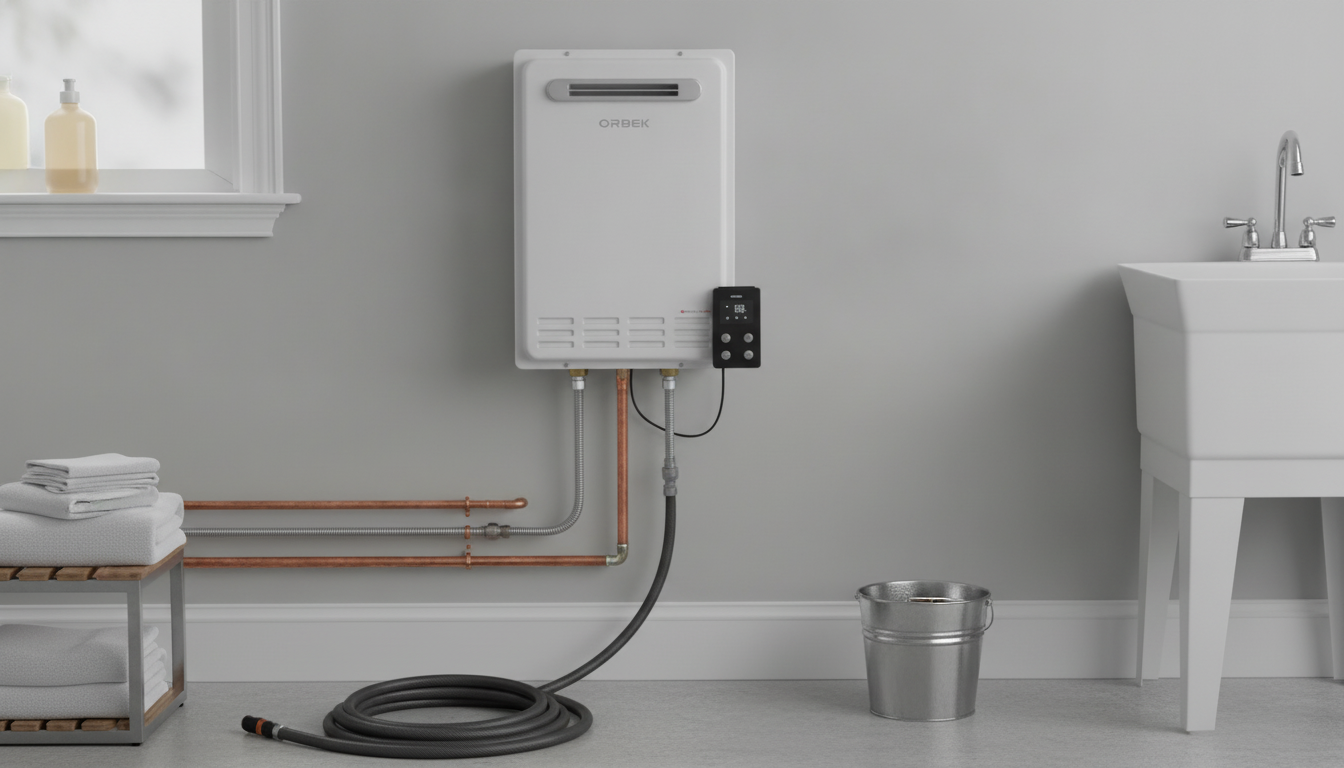
How many GPM is needed for a tankless water heater?
The GPM (gallons per minute) you need for a tankless water heater depends on how many hot-water fixtures you want to run at the same time and how cold your incoming water is. A single shower often needs around 1.8–2.5 GPM, a bathroom faucet might be 0.5–1.5 GPM, and a typical kitchen faucet can be about 1.5–2.2 GPM. Add up the flow rates for the combinations you actually use together (for example, one shower + one sink), then choose a heater that can meet that total at your local temperature rise.
A practical way to choose the right GPM
Start with your busiest “real life” moment. If one shower (2.0 GPM) and a bathroom faucet (1.0 GPM) might run at once, you’re already at about 3.0 GPM. If you regularly run two showers simultaneously, your target may jump to roughly 4–5 GPM depending on the showerheads. Next, consider that tankless ratings are not one-size-fits-all: a unit’s maximum GPM is highest in warmer climates and drops as inlet water gets colder because more heating is required.
Why climate and BTUs change the answer
GPM ratings are tied to how many BTUs the heater can deliver and the temperature rise it must achieve. Colder incoming water means the heater may produce fewer gallons per minute at the same set temperature. That’s why a “5+ GPM” tankless model may comfortably supply one shower and a sink in many situations, yet feel tighter when trying to support multiple showers in winter or in colder regions.
Example: a 5.1 GPM-class tankless heater
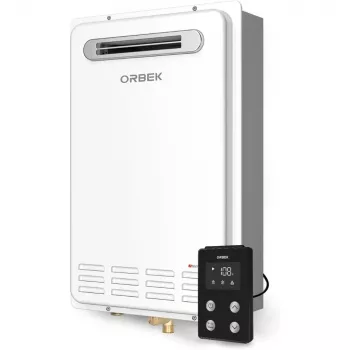
If you’re shopping in the mid-range category, a unit advertised around 5.1 GPM can be a strong fit for typical point-of-use overlap (one shower plus one other small draw) and some light multi-fixture use depending on conditions. For a concrete reference point, see this guide to a 120,000 BTU outdoor propane tankless water heater rated up to 5.1 GPM: https://splendena.com/guide-120000-btu-outdoor-propane-tankless-5-1-gpm-guide/.
FAQ
What size tankless water heater do I need for 2 showers?
Plan on roughly 4–5 GPM for two efficient showerheads running together, then add more capacity if another fixture (like a sink or dishwasher) may run at the same time. In colder climates, choose extra capacity because real-world GPM at your set temperature can drop with higher temperature rise.









Leave a comment