

120,000 BTU Outdoor Propane Tankless: 5.1 GPM Guide
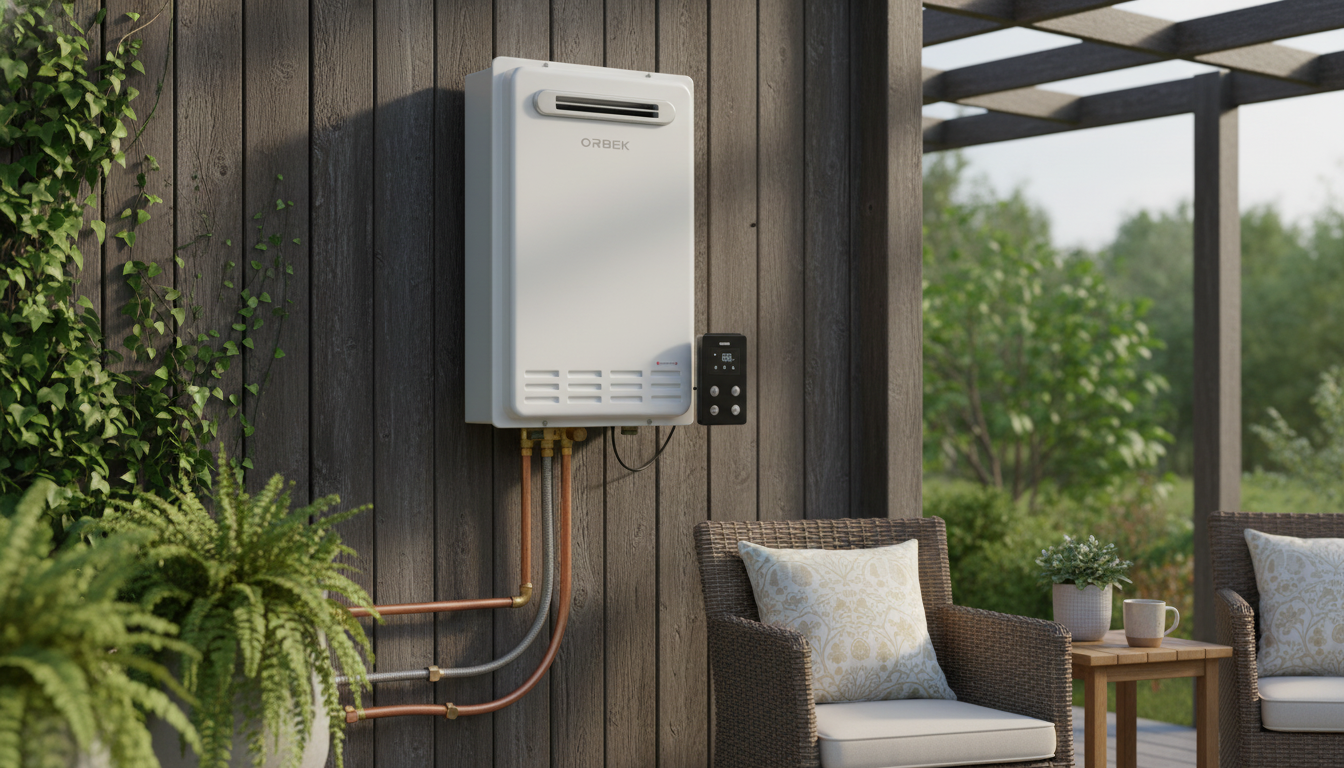
120,000 BTU Outdoor Propane Tankless Water Heater: 5.1 GPM Performance and Installation Basics
An outdoor propane tankless water heater combines on-demand hot water with weather-rated installation—ideal for homes that want to free up indoor space and reduce standby losses. This guide explains what 120,000 BTU and 5.1 GPM mean in real use, how to estimate flow needs, what to plan for in an outdoor install, and the key clearances and safety items to confirm before purchase and setup.
What 120,000 BTU and 5.1 GPM mean for daily hot-water use
BTU (British Thermal Units) describes heating power. In tankless terms, a higher BTU input generally supports more hot-water flow when the heater has to produce a bigger “temperature rise” (for example, when groundwater is cold and you still want a comfortable shower temperature).
GPM (gallons per minute) describes flow rate, but it’s not a single fixed number in real life. A unit advertised in the 5.1 GPM class can deliver less hot-water flow when incoming water is colder, when you set a higher outlet temperature, or when multiple fixtures run at the same time.
In many households, a 5.1 GPM class outdoor propane unit can cover one high-priority hot-water task (like a shower) with a second moderate draw (like a sink rinse) depending on your local inlet temperature. In winter or in northern climates, you should expect lower maximum hot-water GPM because the heater has to add more heat to every gallon.
Quick planning guide: common fixtures and typical flow rates
| Fixture / Use | Typical flow (GPM) | Notes for planning |
|---|---|---|
| Low-flow bathroom sink | 0.5–1.5 | Often runs alongside other uses with minimal impact |
| Kitchen faucet | 1.5–2.2 | Higher demand when filling pots or continuous rinsing |
| Shower (modern efficient head) | 1.5–2.0 | Multiple showers at once add up quickly |
| Shower (standard head) | 2.0–2.5 | May reduce available capacity for other simultaneous uses |
| Dishwasher / clothes washer (fill cycles) | 1.0–2.5 | Intermittent but can overlap with showers in mornings |
Tip: If you’re updating fixtures, WaterSense-labeled showerheads can reduce demand without sacrificing comfort, which effectively “adds capacity” to a tankless system. See the EPA overview here: https://www.epa.gov/watersense/showerheads.
Sizing: matching capacity to climate and simultaneous demand
Choosing the right size is less about the biggest number on the box and more about your peak overlap and your typical temperature rise.
Step-by-step sizing approach
- Step 1: Add up simultaneous fixtures. Think about the busiest routine (two showers at once, or shower plus laundry fill). Add the approximate GPM to estimate peak flow.
- Step 2: Factor in seasonal inlet temperature. Groundwater temperature can drop significantly in winter, especially in colder regions. A bigger temperature rise reduces the maximum hot-water GPM the heater can sustain.
- Step 3: Compare your peak needs to realistic output. If the unit is undersized, you may notice temperature sag during overlaps, or the system may reduce flow to keep outlet temperature stable.
- Rule of thumb: If your household typically staggers use, a mid-range GPM unit often feels “plenty.” If morning routines stack showers and appliance fills, additional capacity (or multiple units) helps prevent performance dips.
- Freeze-prone installs: Outdoor placement in cold areas requires a clear freeze-protection plan (built-in protection features, insulation where allowed, and any power requirements).
For a deeper primer on how tankless (demand-type) systems work and why sizing matters, the U.S. Department of Energy provides a helpful overview: https://www.energy.gov/energysaver/tankless-or-demand-type-water-heaters.
Outdoor installation fundamentals: placement, clearances, and venting considerations
Outdoor-rated tankless heaters are designed for exterior mounting, but “outdoor” doesn’t mean “anywhere.” Good placement improves reliability, reduces nuisance shutdowns, and makes servicing easier.
Local code requirements for fuel gas appliances commonly reference NFPA standards; an overview is available here: https://www.nfpa.org/codes-and-standards/all-codes-and-standards/list-of-codes-and-standards/detail?code=54.
Propane and plumbing requirements to confirm before installation day
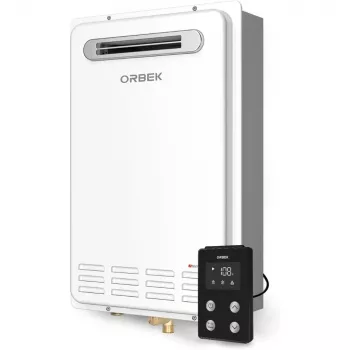
What to expect from the 120,000 BTU 5.1 GPM outdoor propane model
If you’re ready to compare details, see the product listing here: 120,000 BTU Tankless Propane Water Heater, 5.1 GPM, Outdoor Installation.
More in-stock picks
Maintenance and longevity for outdoor tankless propane units
FAQ
How many GPM is needed for a tankless water heater?
Estimate the maximum number of fixtures you expect to run at the same time and add their typical flow rates. Then compare that combined GPM to the heater’s real-world output, remembering that available hot-water GPM drops when incoming water is colder and the required temperature rise is higher.
How far does an outdoor tankless water heater need to be from a window?
Clearances depend on the unit’s safety listing and local code. Use the manufacturer’s installation manual for minimum distances from operable windows, doors, and other building openings, and confirm requirements with your local authority or a licensed installer.
What is the difference between BTU and GPM for tankless water heaters?
BTU refers to the heater’s input power—how much heat energy it can produce—while GPM is the water flow rate. The hot-water GPM you actually get depends on BTU and the temperature rise needed; colder inlet water typically lowers the maximum hot-water flow at a given setpoint.










Leave a comment