5-Minute Scalp Massage: Easy At-Home Relaxation
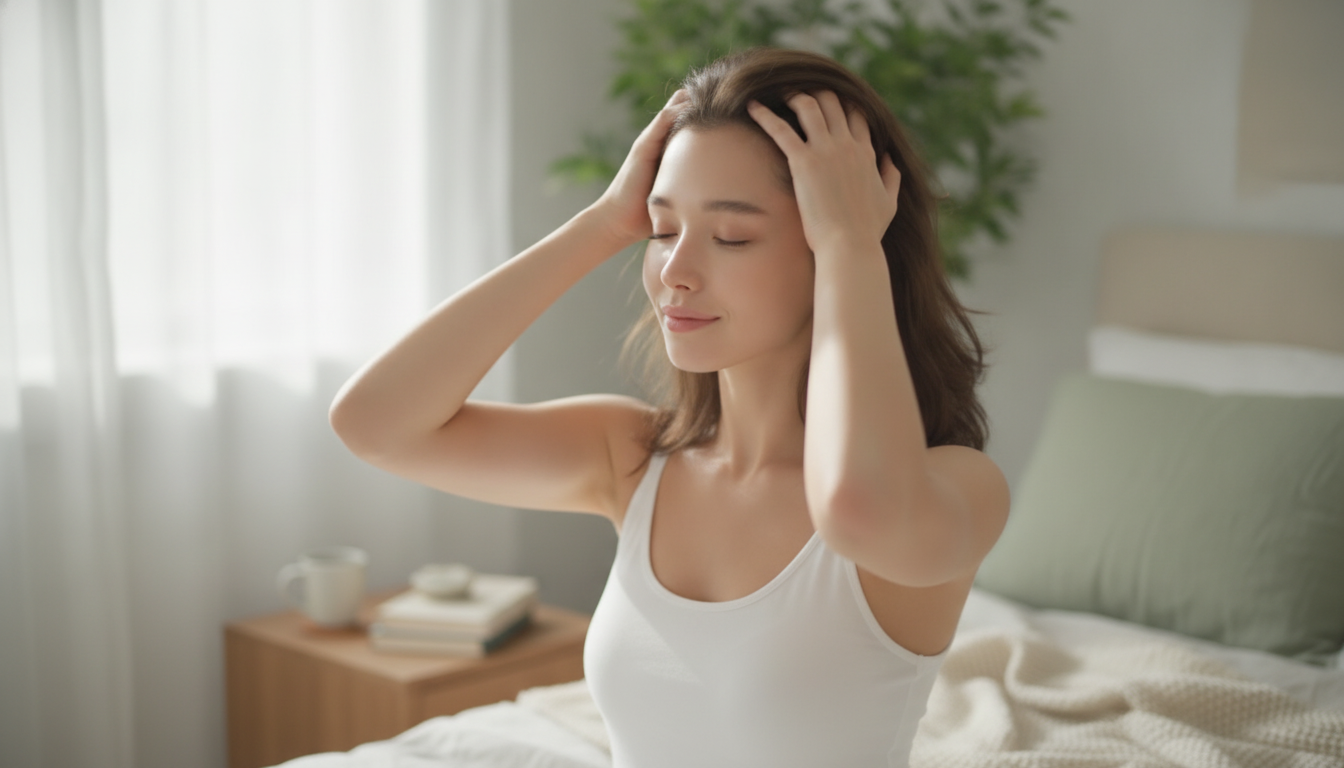
How to Massage Your Scalp: A Relaxing Self-Care Guide for At-Home Relief
A scalp massage can ease tension, support a healthier scalp environment, and turn a few spare minutes into a calming reset. With the right pressure and a steady pace, it’s an easy habit to fold into your day—whether you’re winding down after screens, loosening buildup before shampoo, or simply trying to feel more comfortable in your own skin.
If you’d like a step-by-step refresher you can keep handy, see our How to Massage Your Scalp – A Relaxing Self-Care Guide.
What a Scalp Massage Can Do
A good scalp massage is less about “scrubbing” and more about gentle, controlled movement. Done consistently and carefully, it can support both relaxation and awareness of what your scalp needs.
- Helps release tightness in the scalp, jaw, and temples that can build up from stress, screen time, or hair styling.
- Encourages awareness of scalp condition (dryness, tenderness, product buildup) so care can be adjusted.
- May promote relaxation by activating pressure receptors and slowing breathing when paired with a calm pace.
- Supports a cleaner scalp when done before washing by loosening debris and distributing natural oils (without scratching).
For broader context on hair and scalp concerns (including common causes of hair loss), the American Academy of Dermatology Association is a reliable starting point.
Before You Start: Set Up for Comfort
A few small setup choices can prevent tugging, tangling, and irritation—especially if your scalp is already sensitive.
- Choose dry or lightly damp hair; avoid fully wet hair if it tangles easily.
- Wash hands and trim/smooth nails to prevent micro-scratches.
- Remove tight hairstyles, clips, or extensions; minimize traction on roots.
- Pick a position: seated with elbows supported, or lying down with a small towel under the neck.
- If prone to scalp sensitivity, begin with very light pressure and shorter sessions (1–2 minutes).
If you’re pairing scalp care with other gentle, at-home self-care routines, you may also like Naturally Awake: Puffy Eye Solutions – Natural Remedies for Puffy Eyes Guide for a calm, low-effort reset.
A Simple 5-Minute Scalp Massage Routine
This routine is designed to be calming, not aggressive. Use the pads of your fingertips (not nails), and aim to move the scalp subtly rather than rubbing hair against hair.
Step-by-step
- Start with slow breaths: inhale through the nose for 4 counts, exhale for 6 counts, repeat 3 times.
- Warm-up: place fingertips at the hairline and make tiny circles without sliding the skin aggressively.
- Work in zones: hairline → temples → above ears → crown → back of head, spending 20–30 seconds per area.
- Use a “lift and release” motion at the crown: gently lift the scalp tissue, pause 1 second, then release.
- Finish with smoothing: light strokes from crown toward the back to signal the end and reduce frizz.
- Stop if sharp pain, burning, or increased shedding occurs during the session.
Technique Guide: Pressure, Time, and Best Use
| Technique | How it feels | Pressure | Time | Best for |
|---|---|---|---|---|
| Small fingertip circles | Gentle movement under fingertips | Light–medium | 2–3 min | Daily relaxation; tension relief |
| Temple holds | Steady, calming pressure | Light | 30–60 sec | Headache-prone days; jaw tension |
| Lift and release | Subtle lifting sensation | Light | 30–60 sec | Crown tightness; stress reset |
| Behind-the-ears circles | Soothing, often overlooked area | Light | 30–60 sec | Neck/upper shoulder tension |
| Pre-wash scalp sweep | Loosening feeling at roots | Light | 30–60 sec | Product buildup awareness before shampoo |
Hands vs. Scalp Massage Tools
Both options can work well—the best choice is the one that keeps pressure gentle and movement controlled.
- Hands offer the most control and are best for sensitive scalps or brand-new routines.
- Tools can reduce hand fatigue and help keep pressure consistent, but they should never scratch or drag hair.
- Look for flexible silicone bristles rather than hard plastic tips.
- Use minimal pressure and slow movement; avoid fast scrubbing motions.
- Skip tools on irritated, inflamed, or broken skin.
Using Oils and Serums (Optional)
Oils can add slip and comfort, but they aren’t required—and they aren’t ideal for everyone. The goal is to support the scalp without triggering itch, buildup, or sensitivity.
- Choose lightweight options if prone to clogged follicles or oily scalp; heavier oils may be better for very dry scalps.
- Patch test behind the ear first, especially with essential oils or fragranced products.
- Apply a few drops to fingertips (not directly onto the scalp) and distribute in sections to avoid overuse.
- Limit oil massages to pre-wash routines if buildup or itch is an issue; cleanse thoroughly afterward.
- Avoid essential oils undiluted; dilution is important to reduce irritation risk.
How Often to Massage and When to Avoid It
Consistency matters more than intensity. Think “small dose, often,” and adjust based on how your scalp responds over the next day.
- For relaxation: 2–5 minutes daily or every other day, using light to medium pressure.
- For scalp comfort: 2–3 times weekly, preferably before washing to help lift debris.
- Avoid massage during active flare-ups of dermatitis, infections, open sores, or severe sunburn.
- Be cautious with traction hairstyles, recent hair transplants, or highly inflamed acne-like bumps on the scalp.
- If hair shedding is sudden or heavy, focus on gentle touch and consult a clinician to rule out underlying causes.
If you’re concerned about increased shedding, the Cleveland Clinic overview of telogen effluvium explains common triggers and what typical recovery can look like.
Build a Calming Ritual Around It
FAQ
Does scalp massage help telogen effluvium?
Telogen effluvium is usually driven by internal triggers like stress, illness, hormones, or nutrition, so a scalp massage won’t cure it. Gentle massage may support relaxation and scalp comfort, but keep pressure light to avoid tugging, and seek medical guidance if shedding is significant or persistent.









Leave a comment