

Outdoor Tankless Heater Window Clearance: 4 ft Rule
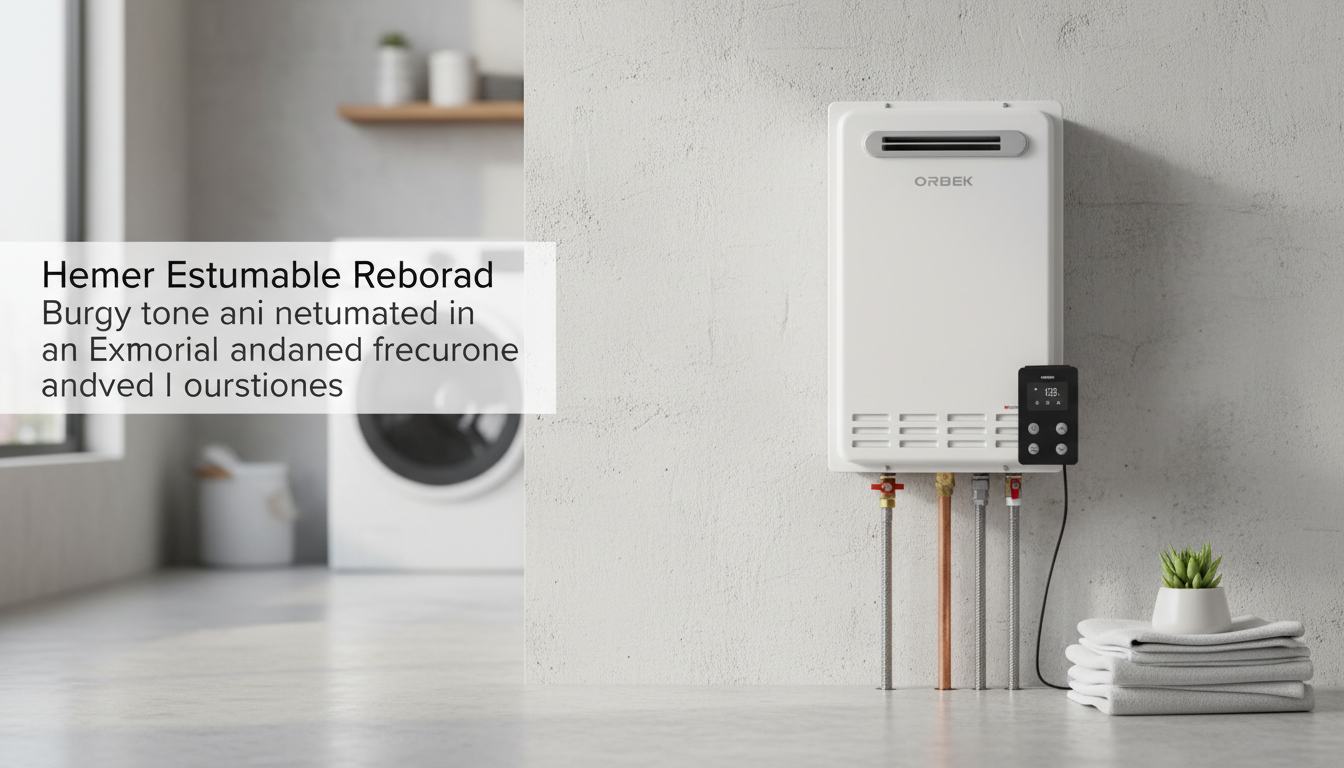
How far does an outdoor tankless water heater need to be from a window?
Answer
An outdoor tankless water heater should not be installed where its hot exhaust can enter an operable window. A common minimum clearance used by many manufacturers and gas codes is to keep the unit’s exhaust outlet at least 4 feet horizontally from an opening window/door, at least 4 feet below it, or at least 1 foot above it. Because exact clearances vary by model and jurisdiction, the safest rule is to follow the specific installation manual for your heater and any local code requirements.
These distances matter because an outdoor tankless unit vents combustion products directly to the outside. If the heater is too close to an opening, wind or pressure changes can push exhaust back into the building, creating odor, corrosion risks, and potential carbon monoxide exposure.
When choosing a location, also consider how people use that window. Even if the minimum clearance is technically met, placing the heater near a frequently opened kitchen, bedroom, or patio door can be uncomfortable due to warm exhaust and noise. If space allows, increasing separation beyond the minimum is usually the better long-term choice.
Other placement details can affect window clearance decisions, such as nearby corners, overhangs, soffit vents, and prevailing wind direction. If you’re planning a propane outdoor unit and want a clearer picture of sizing and installation considerations, see this guide: https://splendena.com/guide-120000-btu-outdoor-propane-tankless-5-1-gpm-guide/.
If you’re unsure after reviewing the manual, a licensed installer can verify measurements from the unit’s exhaust area (not just the cabinet) to the nearest edge of an operable opening and confirm any stricter local requirements.
FAQ
Can an outdoor tankless water heater be installed under an eave?
Sometimes, but only if the manufacturer allows it and required clearances to overhangs, soffits, and ventilation openings are met. Installing under an eave can trap exhaust or heat, so many setups require extra spacing or a different location.









Leave a comment