


Wearing a Body Camera at Work: Legal, Policy, Consent
Is it illegal to wear a body camera at work?
It depends on where you work, where the camera records, and what it captures. In the U.S., wearing a body camera is not automatically illegal, but recording audio or video at work can trigger privacy, consent, and employer-policy issues. The safest answer is: it may be allowed in some jobs and situations, and clearly prohibited in others.
What usually makes workplace body-camera use “illegal”
The most common legal problems come from recording people who have a reasonable expectation of privacy, such as in restrooms, locker rooms, medical areas, or private offices. Audio recording can also be regulated more strictly than video. Some states require consent from one party, while others require consent from all parties before recording a conversation—so a body cam that captures sound can create risk fast if you don’t have permission.
Employer rules can matter as much as the law
Even when recording isn’t criminally illegal, employers can ban cameras through workplace policy, confidentiality agreements, or safety rules. Violating those policies can lead to discipline or termination, especially in workplaces handling sensitive information (healthcare, finance, R&D, schools, and many customer-service environments). If you’re a contractor or work on client sites, you may also be bound by the client’s rules.
When wearing a body camera at work is commonly permitted
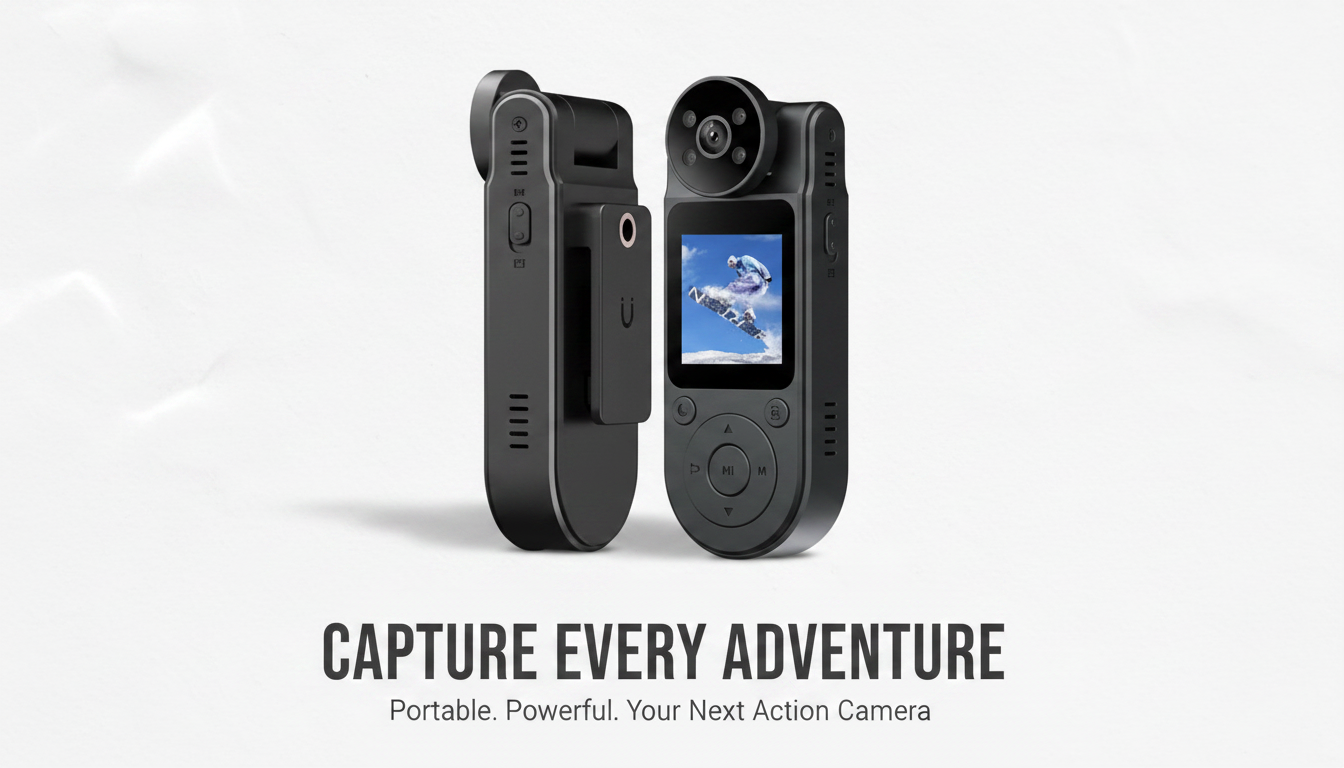
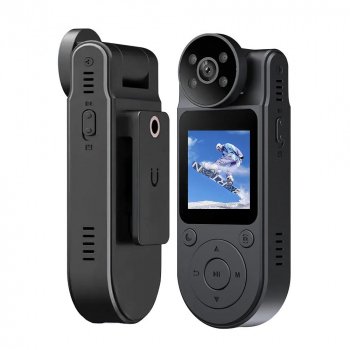
Body cameras are often used legally for security, deliveries, field service, and personal safety—particularly when the employer authorizes them and clear notice is provided. Features like visible placement, recording indicators, and using video-only when appropriate can reduce risk. If you’re considering a compact option for documentation or safety, see the detailed breakdown and use cases here: 4K WiFi Body Camera Guide (Night Vision, Magnetic Clip DVR).
Practical steps to stay on the right side
Start with written permission from your employer. Confirm whether audio is allowed, where recording is prohibited, how files must be stored, and whether signage/notice is required. If you interact with customers or the public, set a clear routine for notifying people when recording is active.
FAQ
Can I record audio with a body camera without consent?
Often no. Many states regulate audio recording more strictly than video, and consent requirements vary; if you don’t have clear permission, disabling audio or obtaining explicit consent is typically the safer approach.











Leave a comment