

Engine Overheated: Is It OK or Permanently Damaged?
Will my engine be ok after overheating?
It depends on how hot it got, how long it stayed hot, and how quickly it was shut down. Some overheating events end with only a failed hose, low coolant, or a stuck thermostat—repairs that don’t permanently harm the engine. Others can warp the cylinder head, damage the head gasket, or score internal parts, leading to costly problems later.
How to tell if the engine likely survived
If you pulled over promptly, turned the engine off, and didn’t continue driving with the temperature gauge in the red, your odds are much better. After it cools and the immediate cause is fixed, an engine that starts normally, idles smoothly, and maintains normal temperature on a short test drive may be fine. Still, overheating can cause delayed symptoms, so it’s smart to keep a close eye on it for the next few days.
Warning signs of lasting damage
Watch for symptoms that suggest head gasket or cylinder head issues: milky oil on the dipstick or oil cap, white smoke from the exhaust after warm-up, a sweet coolant smell, repeated coolant loss with no visible leak, bubbling in the coolant reservoir, or overheating that returns quickly. Misfires, rough idle, or a check engine light appearing soon after the incident can also point to deeper damage.
What to do next (even if it seems “fine”)
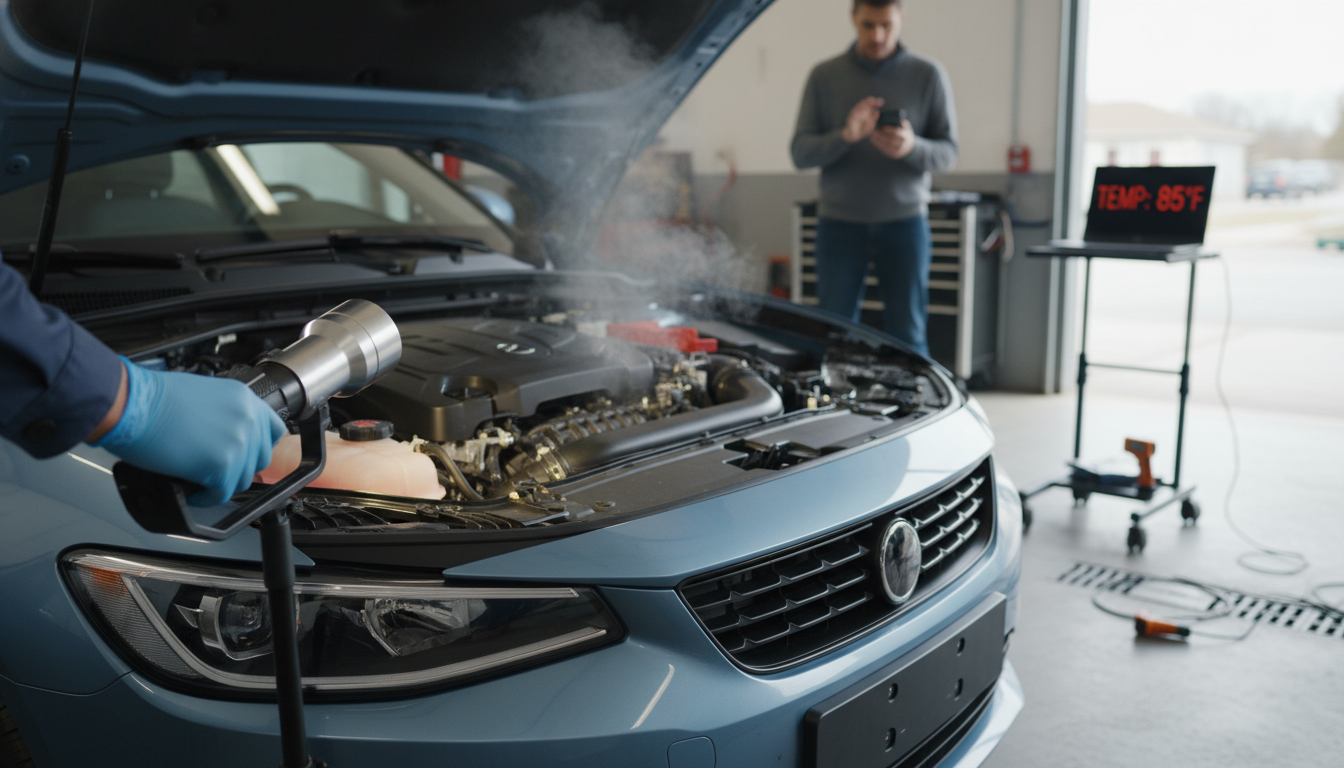
Check coolant level only after the engine is fully cool, and look for obvious leaks around hoses, the radiator, and the water pump area. If the car overheated severely, consider a professional inspection that may include a cooling-system pressure test and a combustion-gas test for the coolant. Also monitor the oil level and condition; contaminated oil should be addressed immediately.
When it’s not safe to drive
If the temperature climbs again, the heater blows cold while the gauge rises, you see steam, or the engine runs rough, stop driving. Continuing to operate an overheating engine is what often turns a manageable repair into a major rebuild.
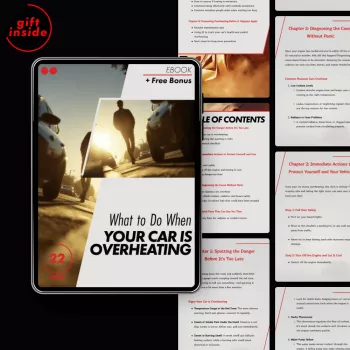
For immediate, step-by-step actions during an overheating event, see this car overheating guide.
FAQ
Can I drive my car after it overheats and cools down?
Only if the temperature returns to normal and stays there, and there are no leaks, steam, or warning lights. If it starts overheating again or runs poorly, stop driving and have it inspected.










Leave a comment