Polycarbonate Greenhouse Drawbacks: Light, Heat, Wear
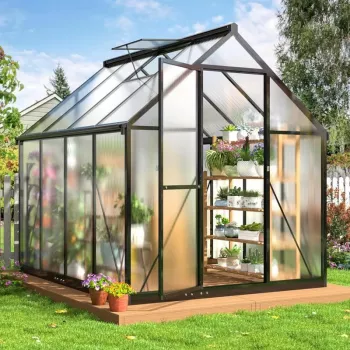
What are the disadvantages of polycarbonate greenhouses?
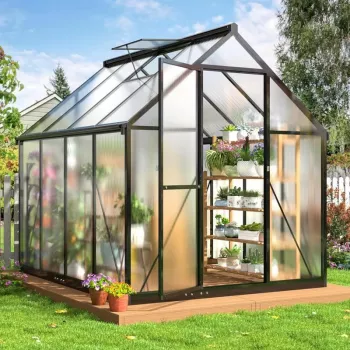
Polycarbonate greenhouses are popular because they’re lightweight and tough, but they’re not perfect. One of the biggest drawbacks is clarity: even clear polycarbonate typically lets in less light than glass, and twin-wall or multiwall panels diffuse light more. Diffused light can be great for reducing leaf scorch, but it may slow growth for plants that crave intense, direct sun—especially in low-light seasons.
Surface durability is another trade-off. Polycarbonate can scratch more easily than glass, and scratches can build up from cleaning, windblown grit, or brushing against panels while moving tools. Over time, some panels can also haze or yellow if the UV-protective coating degrades, which reduces light transmission and changes the look of the greenhouse.
Heat management can be trickier than expected. Polycarbonate insulates better than glass, which helps at night, but it can also hold onto heat during sunny days. Without consistent venting and airflow, temperatures can spike quickly. Condensation is also common—especially on multiwall panels—so sealing edges and maintaining ventilation matters to reduce dripping, algae growth inside channels, and excess humidity that encourages mildew.
Fit and finish issues show up more with polycarbonate because it expands and contracts with temperature swings. That movement can loosen fasteners, create small gaps, or cause panels to rattle in wind if the greenhouse isn’t assembled with the right profiles, spacing, and washers. In harsher climates, snow load is another consideration: while polycarbonate is impact-resistant, the frame design and roof pitch still need to be adequate for heavy accumulation.
For a practical walkthrough on setup details—like roof venting and panel handling—see this guide: 6×7.5 ft Polycarbonate Greenhouse Quick Setup & Roof Vent Guide.
FAQ
Is it better to have glass or polycarbonate in a greenhouse?
Glass usually wins for maximum light transmission and long-term clarity, while polycarbonate is lighter, more impact-resistant, and offers better insulation. The better choice depends on whether you prioritize brightness and aesthetics (glass) or durability and heat retention (polycarbonate).
How long do polycarbonate greenhouse panels last?
Quality panels with UV protection often last around 10–15 years, sometimes longer in mild conditions. Lifespan depends on sun exposure, panel thickness, and whether edges and fasteners are installed correctly.
Do polycarbonate panels need special cleaning?
Yes—use mild soap, water, and a soft cloth to avoid scratching. Avoid abrasive pads and harsh solvents, which can damage the surface and reduce clarity over time.








Leave a comment