


Skin Elasticity at 30: What Changes & How to Boost It
Is skin still elastic at 30?
Yes—skin can still be quite elastic at 30. While collagen and elastin production naturally begins to slow in your late 20s, most people still have plenty of “bounce” left, especially if their skin barrier is supported and daily habits are consistent. What often changes at this age is recovery time: skin may take a little longer to spring back after dehydration, stress, or too much sun exposure.
Elasticity at 30 is influenced less by the number on the calendar and more by cumulative sun exposure, sleep quality, smoking/vaping, diet, and how well your routine maintains hydration and protects the skin’s structure. A simple, steady approach—hydration, antioxidants, and daytime SPF—can help skin feel firmer and look more resilient.
What affects elasticity in your 30s?
UV exposure is the biggest outside factor because it breaks down collagen and elastin over time. Dehydration and a weakened moisture barrier can make skin look looser or duller even when the underlying structure is still strong. Repetitive stress (poor sleep, high cortisol), smoking, and rapid weight changes can also make elasticity feel less “snappy.”
On the positive side, skin at 30 often responds well to consistent care—especially routines that combine gentle cleansing, barrier-supporting moisturizers, vitamin C or similar antioxidants, and daily broad-spectrum sunscreen.
How to support firmer, bouncier skin at 30
Prioritize daily SPF, add an antioxidant in the morning, and keep the skin barrier comfortable with hydration (humectants) plus a moisturizer that reduces water loss. At night, consider ingredients that encourage smoother texture and visible firmness over time, and avoid over-exfoliating—irritation can make skin look less elastic even if you’re doing “all the right things.”
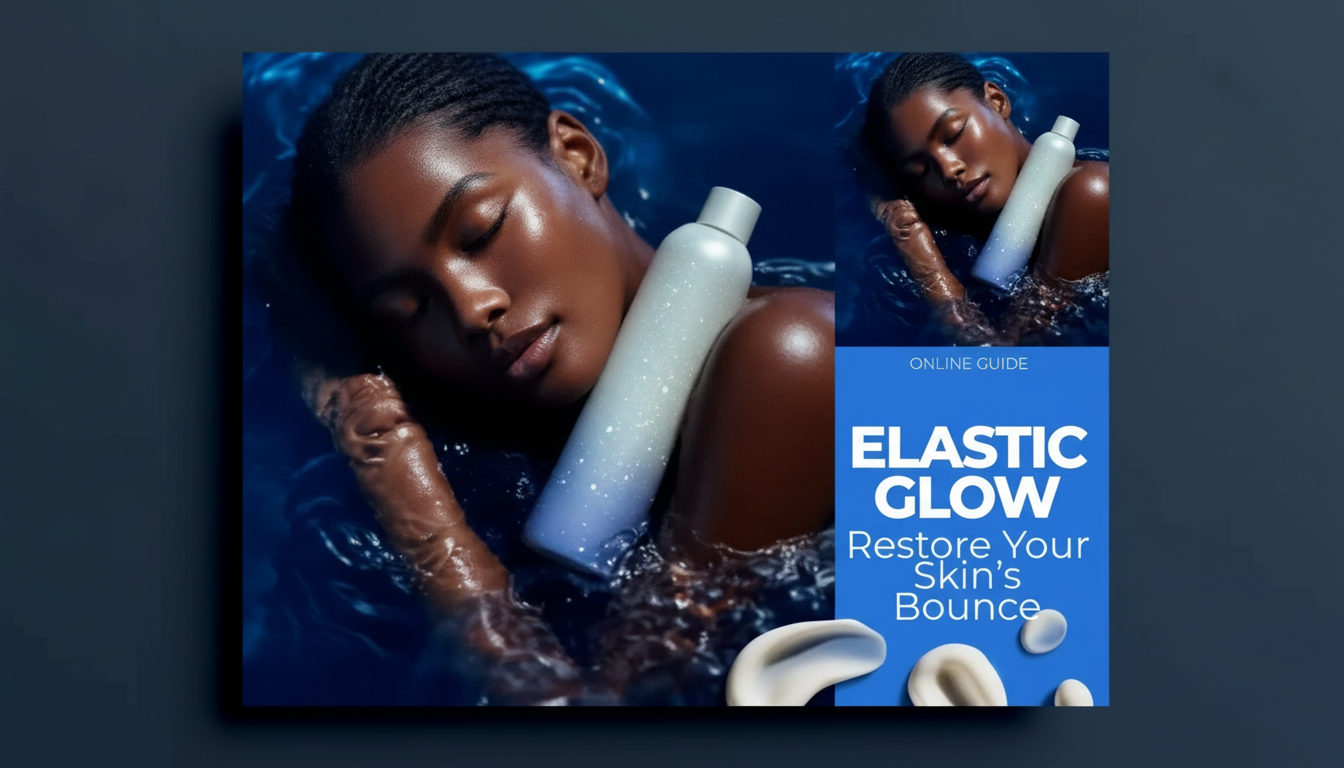
For a step-by-step routine that focuses on glow and bounce, see the full guide here: Elastic Glow Routine for Firmer, Bouncier Skin.
FAQ
Does skin lose elasticity at 30?
It can begin to decline gradually around this age, but it’s usually subtle. Lifestyle factors—especially sun exposure and smoking—often make a bigger difference than age alone.
How to tell if skin still has elasticity?
Skin with good elasticity rebounds quickly after facial movements and tends to look smooth and “springy” when hydrated. If it looks crepey when dry or takes longer to bounce back, it may be dehydrated or experiencing early elasticity changes.










Leave a comment