


Elastic Glow Routine: Firmer, Bouncier Skin Daily
Elastic Glow: Restore Your Skin’s Bounce With a Skin-Elasticity Routine
Skin that feels “bouncy” is usually backed by three basics: a healthy moisture barrier, resilient collagen and elastin support, and daily protection from UV and pollution stressors. The routine below keeps it practical—AM defense, PM repair, and weekly boosters—so skin can look firmer, smoother, and more refreshed with consistent use.
What “skin bounce” really means
Elasticity is your skin’s ability to stretch and return to its original shape. It’s influenced by elastin fibers, collagen structure, and hydration levels—especially within the outermost layer that controls water loss.
When bounce fades, it often shows up as slower rebound after gently pressing the skin, fine lines that linger, and a crepey look or texture (commonly around the eyes, mouth, and neck). Hydration can create short-term plumpness, but long-term firmness typically depends on consistent sun protection and collagen-supporting habits that you stick with.
Why skin elasticity changes with age and lifestyle
Elasticity shifts over time for reasons you can see (sun exposure) and reasons you might not notice day-to-day (sleep quality, stress chemistry, and diet patterns).
- UV exposure: Sunlight accelerates collagen breakdown and can weaken elastic fibers, making broad-spectrum sunscreen a cornerstone step. The American Academy of Dermatology Association provides straightforward sunscreen guidance for daily use: https://www.aad.org/public/everyday-care/sun-protection/sunscreen.
- Barrier disruption: Low humidity, harsh cleansers, and over-exfoliation can impair the moisture barrier, leaving skin less springy and more prone to tightness.
- Oxidative stress + glycation: Poor sleep, chronic stress, smoking, and high-sugar diets can increase oxidative stress and glycation, which may affect how firm skin appears over time.
- Body changes: Rapid weight fluctuations and hormonal shifts can also influence how skin looks and rebounds—especially in the face, neck, and midsection.
The Elastic Glow routine: a simple AM plan for daytime resilience
Think of morning skincare as “defense mode.” The goal is to keep the barrier calm, reduce oxidative stress, and prevent UV-driven collagen loss.
1) Cleanse gently
Use a non-stripping cleanser and lukewarm water. If you wake up dry or tight, a quick rinse or very mild cleanse can be enough—over-cleansing can make skin feel less elastic.
2) Add antioxidant support
Vitamin C and other antioxidants help defend against daily oxidative stress. If your skin is reactive, start a few mornings per week and build up.
3) Layer hydration (then seal it)
Humectants like hyaluronic acid and glycerin can improve the look of plumpness, especially when followed by moisturizer to reduce water loss.
4) Moisturize for cushion and comfort
Look for ceramides, squalane, and peptides if dryness or a less-firm look is becoming noticeable. A well-chosen moisturizer can make skin feel more resilient throughout the day.
5) Sunscreen is non-negotiable
Apply broad-spectrum SPF 30+ every morning and reapply when outdoors. For additional sun-safety tips, the NHS also has clear, practical guidance: https://www.nhs.uk/live-well/seasonal-health/sunscreen-and-sun-safety/.
| Step | Goal | Helpful ingredients |
|---|---|---|
| Gentle cleanse | Support the barrier | Amino acid surfactants, fragrance-free options |
| Antioxidant serum | Daytime defense | Vitamin C, vitamin E, ferulic acid, niacinamide |
| Hydration layer | Plumper look | Hyaluronic acid, glycerin, panthenol |
| Moisturizer | Seal hydration | Ceramides, squalane, peptides |
| Broad-spectrum SPF | Prevent collagen loss | Zinc oxide, avobenzone, modern UV filters |
The Elastic Glow routine: a focused PM plan for renewal
Nighttime is where consistency really pays off. The goal is to remove the day completely, then use proven actives strategically without pushing the skin into chronic irritation.
1) Double-cleanse if needed
If you wore sunscreen or makeup, consider a gentle first cleanse (oil or balm) followed by a mild water-based cleanser. The aim is less residue—not aggressive scrubbing.
2) Retinoids for long-term firmness
Retinoids support smoother-looking texture and can improve the appearance of fine lines over time. Start low and slow (2–3 nights per week), then increase as tolerated. DermNet’s overview is a helpful reference for benefits and irritation management: https://dermnetnz.org/topics/topical-retinoids.
3) Alternate with barrier-repair nights
4) Add targeted hydration and support
5) Don’t stop at the jawline
Weekly boosters that support bounce (without overdoing it)
Elastic Glow guide: building a routine that matches your skin type
| If using… | Avoid pairing the same night with… | Try instead… |
|---|---|---|
| Retinoid | Strong AHA/BHA, harsh scrubs | Barrier moisturizer, peptides, ceramides |
| Vitamin C (L-ascorbic acid) | Strong exfoliation if reactive | Niacinamide or gentler vitamin C derivatives |
| AHA/BHA exfoliant | Retinoid (if drying) | Hydrating serum + moisturizer |
Product spotlight: Elastic Glow routine resource
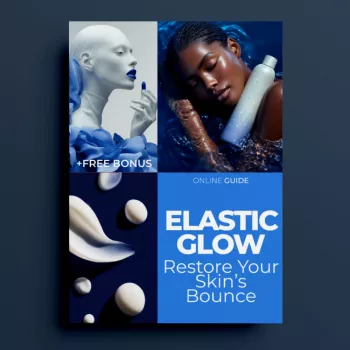
If a clear structure makes consistency easier, Elastic Glow: Restore Your Skin’s Bounce – The Ultimate Anti-Aging Routine for Skin Elasticity is designed as a guided routine that organizes AM/PM steps and weekly boosters around elasticity-support goals.
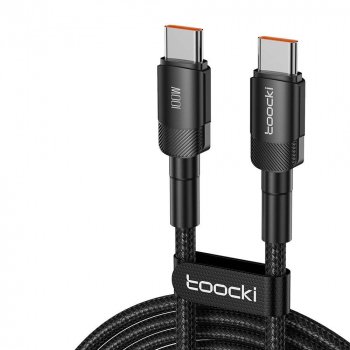
To make the routine easier to maintain day after day, a few practical add-ons can help: a reliable charging option like the 100W USB-C to USB-C Fast Charging Cable with PD 3.0 & QC 4.0 – 5A Power (for phones used for reminders, UV index checks, or routine tracking), and sleep comfort support like a Cotton Sleeping Bag Liner if temperature swings disrupt rest—because consistent sleep is one of the simplest “PM repair” multipliers.
How long results typically take (and what to track)
FAQ
Is skin still elastic at 30
Yes—skin is still elastic at 30, though gradual decline can start around this time for many people. Daily sunscreen, barrier-friendly hydration, and consistent collagen-supporting actives (like retinoids) can help maintain a firmer, bouncier look.
How elastic Is skin
Skin is naturally elastic thanks to elastin fibers and collagen structure, but elasticity varies by age, genetics, sun exposure, and hydration. A practical sign is how quickly skin rebounds after gentle pressure and how smoothly it moves without creasing.










Leave a comment