


Redness & Irritation Relief: Calm Skin, Repair Barrier
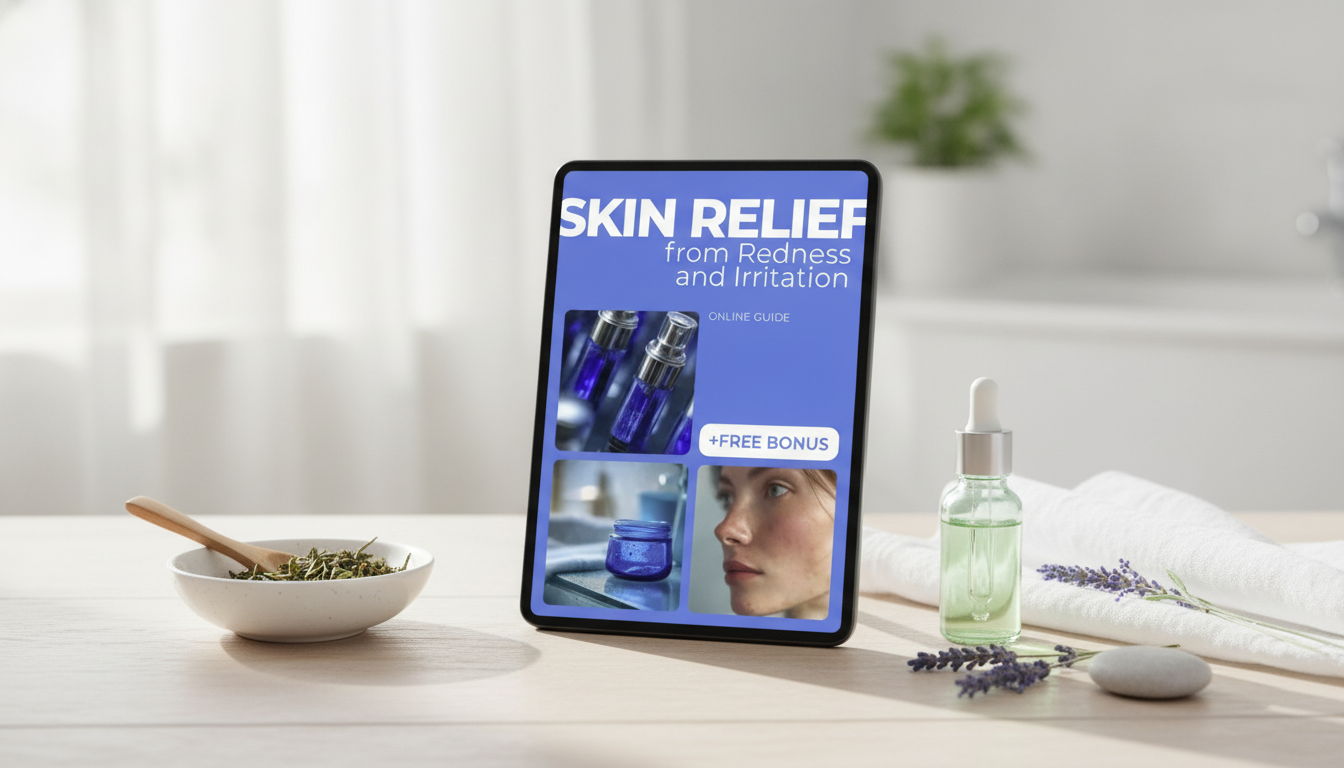
Skin Relief from Redness and Irritation: A Practical Guide to Calmer, Stronger Skin
Redness and irritation can show up as stinging, burning, tightness, flaking, or blotchy patches that come and go. The fastest path to relief usually combines two moves: remove common triggers and rebuild the skin barrier with gentle, consistent care. The guide below breaks down likely causes, what to look for in products, and how to set up a routine that supports calmer skin over time.
What redness and irritation can look like
- Short-lived flushing after heat, exercise, spicy food, or stress; often paired with warmth or tingling.
- Persistent redness on cheeks, nose, or chin; may suggest a chronic condition such as rosacea.
- Patchy itch, scaling, and roughness; commonly tied to eczema or dryness-driven barrier damage.
- Sudden stinging, swelling, or hives after a new product; may indicate irritant or allergic contact dermatitis.
- Redness with pimples, pustules, or visible vessels; can require targeted care and professional evaluation.
If redness is paired with repeated burning, visible blood vessels, or acne-like bumps, it can help to read up on rosacea basics from the American Academy of Dermatology Association and consider a clinician visit for a tailored plan.
Common triggers that keep skin reactive
- Over-cleansing, hot water, abrasive scrubs, and frequent exfoliating acids or retinoids without recovery days.
- Fragrance and essential oils (including “natural” blends) that can irritate sensitive skin.
- Alcohol-heavy toners, astringents, and harsh surfactants that strip the barrier.
- Environmental stress: sun exposure, cold wind, low humidity, and indoor heating.
- Lifestyle triggers: stress, lack of sleep, spicy foods, alcohol, and very hot beverages (often relevant for flushing).
| Trigger | Why it can worsen redness | Gentler swap |
|---|---|---|
| Hot water and long showers | Increases water loss and can intensify flushing | Lukewarm rinse; short cleanse; pat dry |
| Scrubs and rough washcloths | Micro-irritation and inflammation | Soft hands-only cleanse; microfiber towel if needed |
| Fragrance/essential oils | Higher risk of irritation or allergy | Fragrance-free formulas; simple INCI lists |
| Too many actives at once | Overloads barrier and increases stinging | One active at a time; alternate nights; recovery days |
| Sun exposure | Inflammation and vascular flare-ups | Daily broad-spectrum sunscreen; protective clothing |
Barrier-first routine for calmer skin
When skin is reactive, “more” often backfires. A barrier-first routine focuses on comfort, consistency, and reducing transepidermal water loss (TEWL), which can make redness feel worse and stingier.
- Cleanse: Use a mild, fragrance-free cleanser once daily (or rinse with water in the morning if dryness is severe). Avoid foaming cleansers if skin feels tight.
- Hydrate: Apply a humectant layer to damp skin (glycerin, hyaluronic acid, panthenol) to reduce tightness and support comfort.
- Repair: Seal with a barrier moisturizer containing ceramides, cholesterol, fatty acids, squalane, or petrolatum to reduce TEWL.
- Protect: Wear broad-spectrum SPF 30+ daily; choose mineral filters (zinc oxide/titanium dioxide) if chemical filters sting.
- Simplify: Keep the routine to 3–4 products for 2–3 weeks before adding anything new.
For many people, the biggest turning point is not a “miracle” serum—it’s removing frequent exfoliation, stopping harsh cleansing, and letting the barrier rebuild steadily.
Ingredients that often soothe (and what to be cautious with)
If you suspect a product reaction, the American Academy of Dermatology Association’s overview of contact dermatitis is a helpful reference for common patterns and next steps.
A calm-skin reset plan (7–14 days)
For eczema-like roughness and itch, the National Eczema Association has practical background on barrier damage and why gentle routines matter.
When it’s time to get medical advice
A guided way to choose products for redness-prone skin
Recommended reading: structured support for calmer skin choices
If you want a step-by-step way to narrow down likely triggers and build a simpler routine, Skin Relief from Redness and Irritation: Ultimate Skin Choice Guide for Redness and Irritation eBook is designed to help match common redness patterns with barrier-friendly ingredients and routine-building steps.
For concerns that overlap with under-eye puffiness (which can worsen when skin is irritated or sleep is off), Naturally Awake: Puffy Eye Solutions – Natural Remedies for Puffy Eyes Guide offers practical strategies that pair well with a gentler overall skincare approach.
FAQ
How long does it take for redness and irritation to calm down after changing a routine?
Mild irritant reactions often start improving within a few days once the trigger is removed, while barrier recovery commonly takes about 2–4 weeks of consistent gentle care. Improvement usually looks like less stinging, fewer flare-ups, and reduced tightness before redness fully fades. If redness is worsening, painful, or persistent beyond a month, get medical guidance.
Is it better to use fewer products or add more soothing products?
Fewer products is usually safer at first: cleanser, moisturizer, and sunscreen, then reassess after 1–2 weeks. If you add soothing products, introduce only one at a time so you can confirm it’s helping and not causing more reactivity. Over-layering can increase rubbing, pilling, and ingredient overload on a compromised barrier.
Can sunscreen cause stinging on irritated skin?
Yes—stinging is more likely when the skin barrier is damaged or when formulas contain alcohol, fragrance, or filters your skin doesn’t tolerate. Many redness-prone routines do better with mineral SPF (zinc oxide/titanium dioxide) and gentle application (no aggressive rubbing). Daily sun protection still matters because UV exposure can prolong inflammation and trigger flare-ups.











Leave a comment