


Money Date Checklist: Easy Monthly Money Talks for Couples

A money date is a short, recurring check-in that helps partners stay aligned on bills, goals, and spending—without turning it into a stressful “money meeting.” A checklist-style routine makes it easier to stay calm, stick to the facts, and leave with clear next steps. Over time, those small, predictable conversations build trust, reduce surprises, and help you make progress together.
What a Money Date Is (and What It Isn’t)
A money date is a consistent, scheduled conversation about shared finances: what happened since the last check-in, what decisions need to be made, and what comes next. It’s designed to be repeatable, not dramatic—usually 20–45 minutes is enough to cover the essentials without creating dread.
It isn’t a surprise interrogation, a blame session, or an audit of personal spending. Even when accounts are separate, most couples still share responsibilities (rent, utilities, groceries, travel, savings goals), and a money date gives those shared items a simple home on the calendar.
Set Up the Vibe: Time, Place, and Ground Rules
The best money date is the one you actually do. Make it low-friction: choose a time when neither of you is rushed, hungry, or already keyed up. Some couples like a kitchen table check-in; others do better on a walk with a notes app. What matters is consistency.
Ground rules keep the conversation safe. Agree upfront on basics like no interrupting, no sarcasm, and focusing on solutions. If emotions spike, use a pause rule: take five minutes, grab water, and come back when both people can stay respectful.
| Item | Options | Done |
|---|---|---|
| Schedule | Weekly / Biweekly / Monthly | ☐ |
| Location | Kitchen table / Coffee shop / Walk | ☐ |
| Time limit | 20–45 minutes | ☐ |
| Tools ready | Bank apps, budget, statements, notes | ☐ |
| Rules agreed | No blame, no interruptions, take breaks | ☐ |
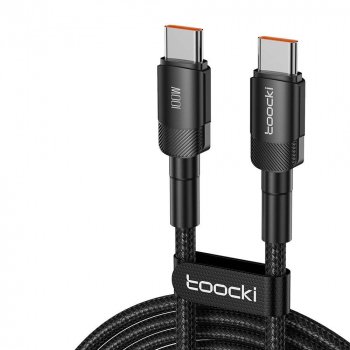
If digital tools are part of your routine, remove small annoyances that derail follow-through. Keeping your phone or tablet powered (especially if you’re checking statements or updating a spreadsheet) can make the whole thing smoother—something as simple as a reliable cable like the 100W USB-C to USB-C Fast Charging Cable with PD 3.0 & QC 4.0 – 5A Power can help you avoid mid-conversation “low battery” distractions.
Before the Money Date: A 10-Minute Prep That Prevents Arguments
A little prep prevents a lot of reactive talking. Set a timer for ten minutes and do the same quick review each time:
- Each partner scans recent transactions and flags anything confusing or unexpected.
- Pull current balances: checking, savings, credit cards, and any key sinking funds.
- Bring upcoming dates: rent/mortgage, subscription renewals, annual premiums, travel, gifts, school costs.
- Write down decisions you need to make (example: “raise grocery budget,” “cancel a subscription,” “pick a debt payoff focus”).
- If there’s tension, start with a written intention: “The goal is clarity and teamwork, not perfection.”
For budgeting tools and plain-language guidance, the Consumer Financial Protection Bureau’s budgeting resources are a solid reference.
During the Money Date: A Repeatable Agenda (15–45 Minutes)
Structure keeps the conversation from spiraling into every money topic you’ve ever had. A simple flow works well:
If you want communication skills that reduce defensiveness and keep discussions connected, the Gottman Institute offers practical tools that translate well to money conversations.
The Checklist That Keeps You Both on Track
| Agenda step | What to check | Decision to make |
|---|---|---|
| 1) Quick win | One thing that improved since last time | Celebrate or reinforce the habit |
| 2) Bills | Due dates, autopay status, late fees to avoid | Anything to reschedule or cancel? |
| 3) Cash flow | Income vs. planned spending until next payday | Any spending freeze needed? |
| 4) Goals | Debt, savings, sinking funds | Set one target for the next period |
| 5) Adjustments | Categories over/under | Move money or tweak limits |
| 6) Next steps | Who does what by when | Write tasks and deadlines |
If you’d rather not rebuild this structure every month, a ready-made template can help you stay consistent. The Money Date Checklist: How to Have a Money Date with Your Partner | Digital Download is designed to turn the conversation into concrete next steps—who does what and by when—especially during busy seasons like moving, weddings, a new baby, or job changes.
When Money Dates Get Hard: Common Sticking Points and Fixes
For clear, consumer-friendly basics on credit and debt (including how interest and payments work), the Federal Trade Commission’s credit and debt resources are a helpful refresher.
Make It Easy: A Ready-to-Use Digital Checklist
If you want a plug-and-play option, use the Money Date Checklist: How to Have a Money Date with Your Partner | Digital Download as your standing routine, and keep your notes in one shared place (a notes app, a shared doc, or a budgeting app). The more “automatic” the process feels, the more likely you’ll stick with it.
FAQ
How often should a couple have a money date?
Weekly works well when cash flow is tight or debt payoff is aggressive, biweekly fits active budgeting, and monthly is great for maintenance. The best frequency is the one you’ll do consistently—keep it short and repeatable.
What if one partner doesn’t want to talk about money?
Start with a 15-minute check-in using a written checklist, and focus on one shared goal (like avoiding late fees or building a small emergency fund). Agree to a pause rule if emotions run high, and keep language neutral and specific.
What should be on a money date agenda?
Include bills due, cash flow to the next payday, a quick spending snapshot, progress on debt and savings goals, upcoming big expenses, and 1–3 action steps with clear ownership. End by writing down who will do what—and by when.











Leave a comment