

Korean Hot Pot + BBQ Grill: Smokeless Indoor Guide
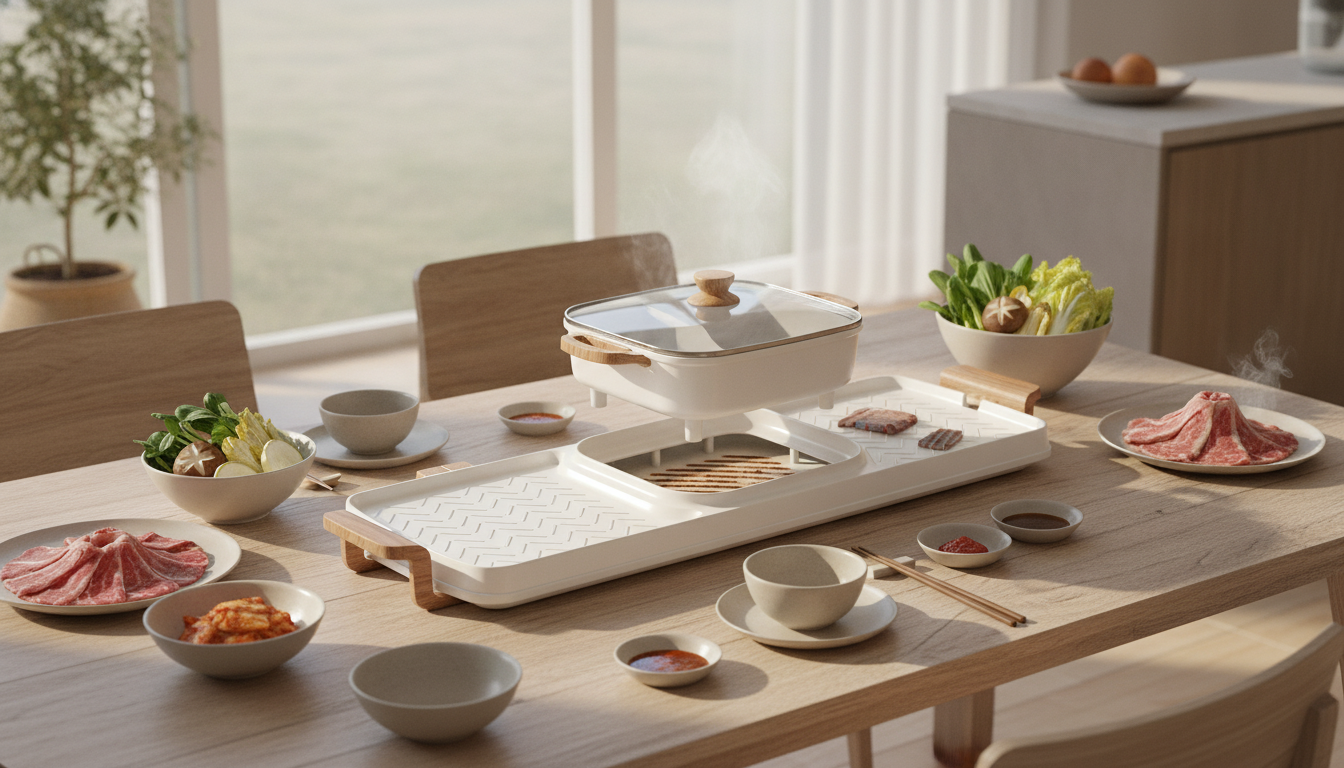
Multi-Functional Indoor Korean Hot Pot and Barbecue Grill – Electric Smokeless Cooking Pan
Bring the feel of a Korean tabletop meal to an apartment, kitchen island, or dining table with a single electric unit that can simmer broth while grilling meats and vegetables. A multi-function hot pot + barbecue grill is built for shared, cook-as-you-go meals—one side keeps a steady simmer while the other delivers quick browning for thin-sliced proteins and crisp vegetables. Below is a practical guide to how these combo cookers perform indoors, what “smokeless” means in day-to-day use, and the details that make the experience easier: heat control, cleanup, and safety.
If you’re ready to set up a Korean-style table at home, start with the Multi-Functional Indoor Korean Hot Pot and Barbecue Grill – Electric Smokeless Cooking Pan.
What this multi-function cooker does well
The biggest advantage is simple: you get two cooking styles in one footprint. The hot pot zone handles broth-based cooking—vegetables, dumplings, noodles, tofu—while the grill zone handles fast cooking and browning for meats and sturdy vegetables.
- Two-in-one workflow: simmer broth and grill at the same time, so the table always has something ready.
- Interactive meals: ingredients cook in small batches, which keeps food hot, fresh, and customizable.
- Indoor convenience: electric heat means no butane canisters and no running outside to a grill.
- Flexible menus: sliced beef or pork, shrimp, mushrooms, tofu, dumplings, leafy greens, noodles, kimchi, and quick dipping sauces all fit naturally.
- Great for small gatherings: everyone can cook to their preferred doneness, spice level, and mix of grilled vs. simmered bites.
How “smokeless” indoor grilling works in real life
Most “smokeless” indoor grills are better described as smoke-reduced. They’re designed to manage grease so it doesn’t pool and burn on high heat—often with channels that guide drippings away from the hottest surface. When less fat burns, you typically see less visible smoke and get fewer harsh burnt aromas.
- Less smoke, not zero: fatty cuts, sugary marinades, and aggressive searing can still create fumes and noticeable odor.
- Technique matters: preheat, avoid overfilling the surface, trim excess fat, and wipe pooled oil between batches to prevent “burn-and-smoke” cycles.
- Ventilation still helps: run a hood if you have one, crack a window, and keep the unit positioned so steam and fumes don’t drift directly into smoke alarms.
For a broader view on why airflow matters indoors, the U.S. EPA’s overview of indoor air quality is a useful reference when planning where and how often to do tabletop cooking.
Hot pot vs. Korean barbecue: what’s different and why it matters
Hot pot and Korean barbecue feel like they belong together, but they behave differently at the table. Hot pot is about a steady simmer and good timing; Korean barbecue is about surface heat and browning.
Everyday setup: temperature control, timing, and avoiding flare-ups
Comparison table: hot pot + grill vs. single-purpose options
| Option | Best for | Trade-offs |
|---|---|---|
| Hot pot + barbecue grill combo | Interactive meals with broth + grilling at the same time; small gatherings | Requires coordination of two heat zones; needs careful grease management |
| Electric grill only | Fast grilling, simple workflow, fewer liquids on the table | No broth-based cooking; may still need strong ventilation with fatty meats |
| Hot pot only | Soup-focused meals, dumplings, vegetables, noodles | No browning or char; less variety for barbecue-style menus |
Cleaning and care that keeps performance consistent
Safety essentials for indoor tabletop grilling and simmering
- Placement: keep the unit on a stable, heat-resistant surface with clear space around it; route cords away from edges and foot traffic.
- Ventilation: even reduced-smoke cooking produces airborne particles—use a hood or open window when possible.
- Food safety: cook meats to safe internal temperatures and use separate utensils for raw and cooked foods (see the USDA’s Safe Minimum Internal Temperature Chart).
- Liquid control: don’t overfill the pot; adding ingredients can push a simmer into a rolling boil and increase spill risk.
- Power-down: unplug when not in use and allow complete cooling before moving or storing.
For general kitchen risk reduction, NFPA guidance on cooking safety is a helpful refresher—especially when you’re cooking right at the table.
Recommended picks from our store
- Multi-Functional Indoor Korean Hot Pot and Barbecue Grill – Electric Smokeless Cooking Pan — the all-in-one setup for grilling and simmering in the same meal.
- Naturally Awake: Puffy Eye Solutions – Natural Remedies for Puffy Eyes Guide — a quick add-on if late-night hosting leaves you looking a little tired the next morning.
FAQ
Do indoor smokeless grills really work?
They usually work by reducing smoke rather than eliminating it—mainly through grease control that limits flare-ups and burnt drippings. Results depend on fat content, marinades (especially sugary ones), temperature, how clean the surface is, and how well the space is ventilated.
What is the difference between Korean barbecue and hotpot?
Korean barbecue uses direct heat to brown thin-sliced meats and vegetables quickly, while hotpot gently cooks ingredients by simmering them in seasoned broth. A combo unit lets you pace both at once: hold the pot at a steady simmer and grill in batches so the grill stays hot and the broth doesn’t boil over.
What is the disadvantage of an electric grill?
Electric grills may preheat more slowly and often don’t reach the same maximum searing heat as charcoal or gas. They also require outlet access and regular cleaning to keep odors and smoke buildup under control.












Leave a comment