


Does Skin Lose Elasticity at 30? Early Signs & Fixes
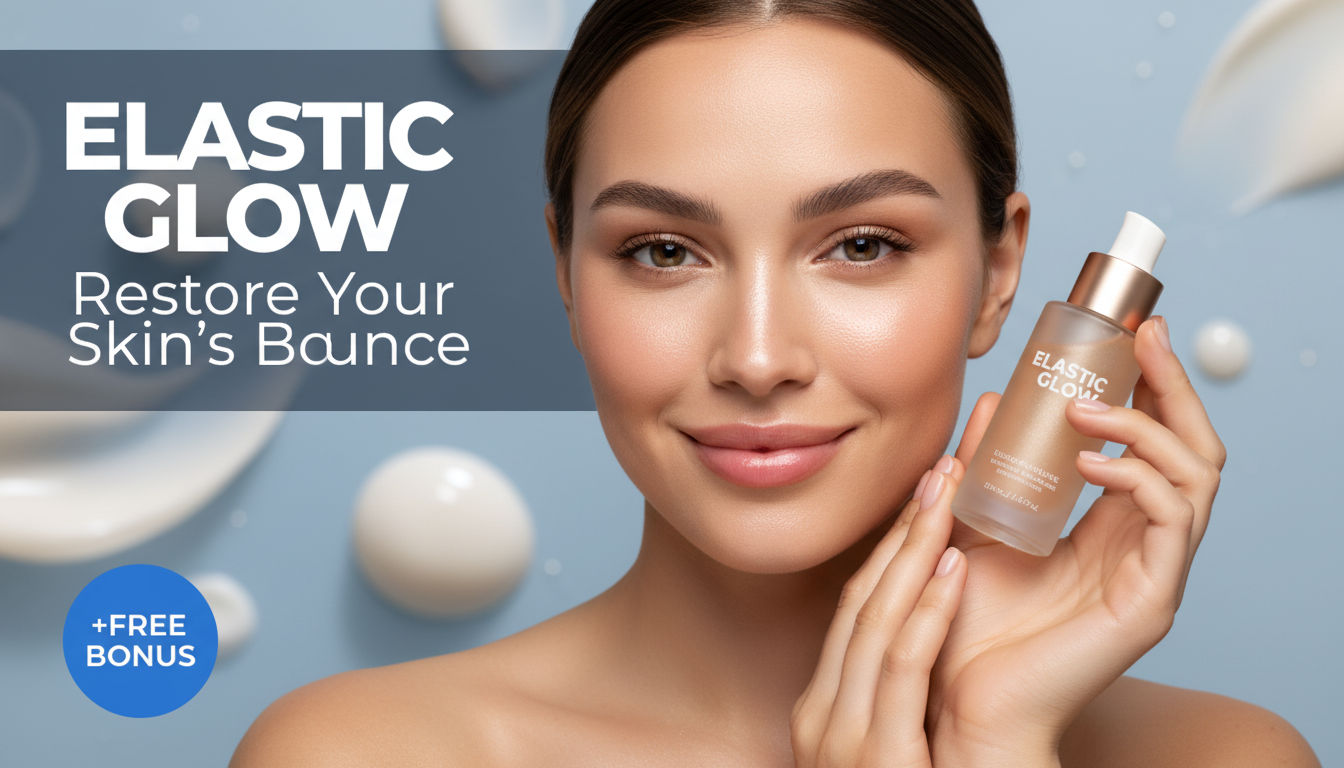
Does skin lose elasticity at 30?
Yes, skin can begin to lose elasticity around age 30, though the change is usually gradual and easy to miss at first. In your late 20s and early 30s, natural collagen and elastin production starts to slow down, and the skin’s ability to “snap back” after stretching isn’t quite as strong as it was in your teens or early 20s.
That doesn’t mean your skin suddenly becomes saggy at 30. For many people, the first signs are subtle: makeup settling into fine lines, slightly less bounce when you pinch the cheek area, or skin looking a bit less firm after a poor night of sleep. Lifestyle and environment often make a bigger difference than the number on the birthday cake.
Why elasticity changes around this age
Elasticity is influenced by a mix of internal and external factors. Internally, collagen, elastin, and hyaluronic acid levels decline over time, while cell turnover slows. Externally, UV exposure, pollution, smoking, chronic stress, dehydration, and inconsistent sleep can all accelerate the look of laxity.
Even if you’ve taken good care of your skin, cumulative sun exposure from earlier years can start to show up in your 30s, especially as the skin’s natural repair processes become less efficient.
What helps keep skin looking firm and bouncy
A consistent routine can noticeably support the look of elasticity. Daily sunscreen is the most important step, because UV is a leading driver of collagen breakdown. From there, focus on hydration and barrier support (think humectants and ceramides), plus collagen-supporting actives like vitamin C in the morning and retinoids at night if your skin tolerates them.
Gentle, regular exfoliation can improve smoothness and radiance, which often makes skin appear firmer. If you want a step-by-step routine designed for a more elastic-looking glow, follow the full guide here: Elastic Glow Routine for Firmer, Bouncier Skin.
When to consider professional options
If you’re seeing faster changes—like persistent laxity, deeper creasing, or uneven texture—dermatology treatments (such as microneedling, lasers, or radiofrequency) can support collagen remodeling. The best approach depends on skin type, goals, and sensitivity.
FAQ
What are the earliest signs of declining skin elasticity?
Common early signs include fine lines that linger longer, less “bounce” when pinching the skin, and makeup settling into creases more easily. You may also notice a slightly looser feel around the cheeks or jawline when the skin is dehydrated or tired.










Leave a comment