

BTU vs GPM: Tankless Water Heater Ratings Explained
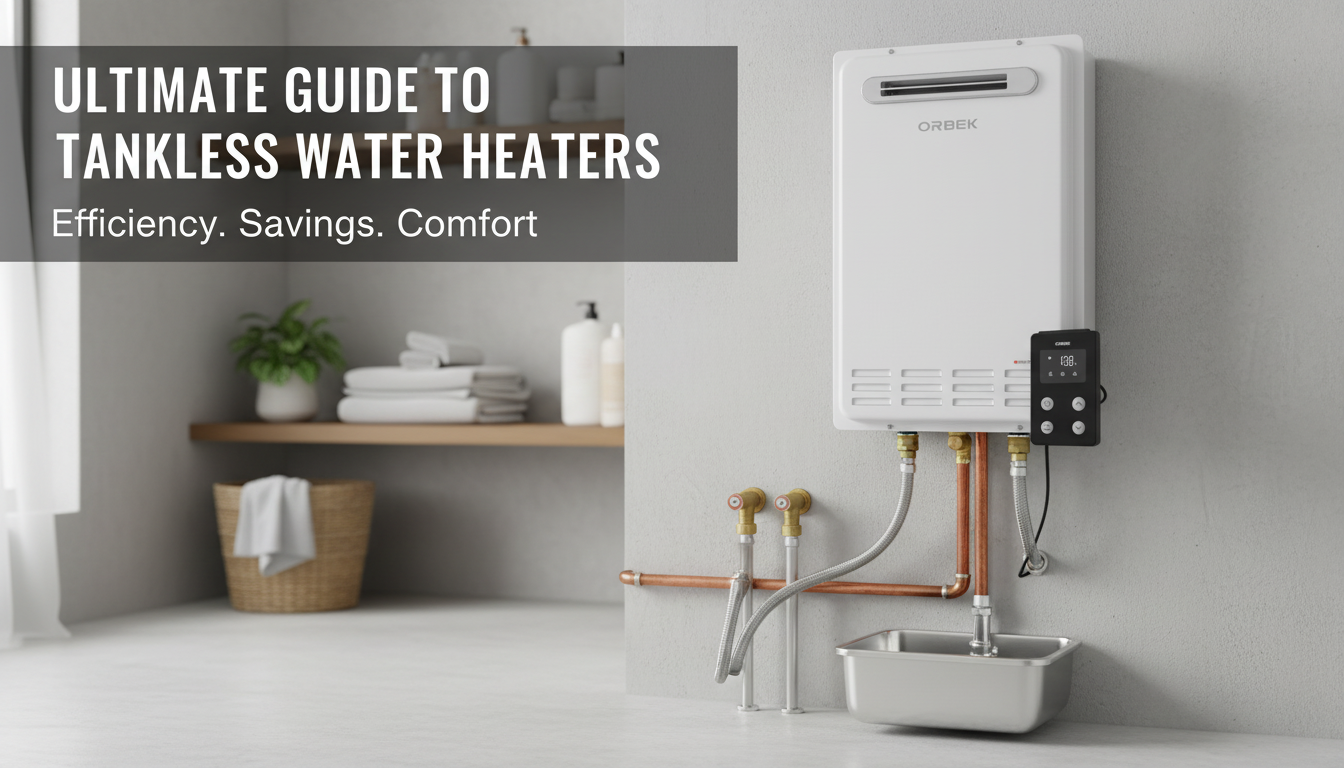
What is the difference between BTU and GPM for tankless water heaters?
BTU and GPM describe two different sides of tankless water heater performance. BTU (British Thermal Units) is the heater’s energy output—how much heat it can add to the water. GPM (gallons per minute) is the flow rate—how much hot water it can deliver at once under specific conditions.
What BTU tells you
BTU is a measure of heating capacity. A higher BTU rating generally means the unit can raise water temperature more aggressively, which matters when incoming water is cold or when you want multiple fixtures running at the same time. BTU doesn’t directly tell you how many gallons per minute you’ll get; it tells you how much heat is available to turn cold water into hot water.
What GPM tells you
GPM is the hot water “volume” the unit can supply, but it’s not a fixed number. Tankless heaters are typically rated at a certain temperature rise (for example, raising water by 35°F or 45°F). If your home needs a bigger temperature rise—common in colder climates—the same heater will deliver a lower GPM because it has to spend more of its capacity heating each gallon.
How BTU and GPM work together
Think of BTU as the engine power and GPM as the speed you can maintain. When demand increases (two showers plus a sink), the heater divides its BTU capacity across more water flow. If the required temperature rise and total flow exceed what the BTU rating can support, the unit may reduce flow, deliver cooler water, or struggle to keep up during peak use.
Why this matters when shopping
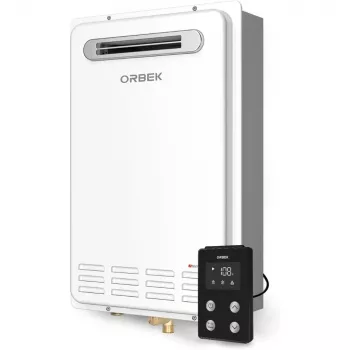
Comparing heaters by GPM alone can be misleading unless you also consider the temperature rise used for the rating. A high-BTU model often supports higher real-world GPM, especially in winter or with multiple fixtures. For a concrete example of how capacity and flow are presented for a specific model, see this guide: 120,000 BTU outdoor propane tankless with up to 5.1 GPM.
FAQ
How do you size a tankless water heater for two showers?
Add the expected flow rates for both showers, then match a unit whose GPM at your local temperature rise can meet that total. If winters are cold, prioritize enough BTU to maintain temperature without sacrificing flow.











Leave a comment