


Kitchen Waste Composting: Printable Home PDF Checklist
How to make compost from kitchen waste at home PDF
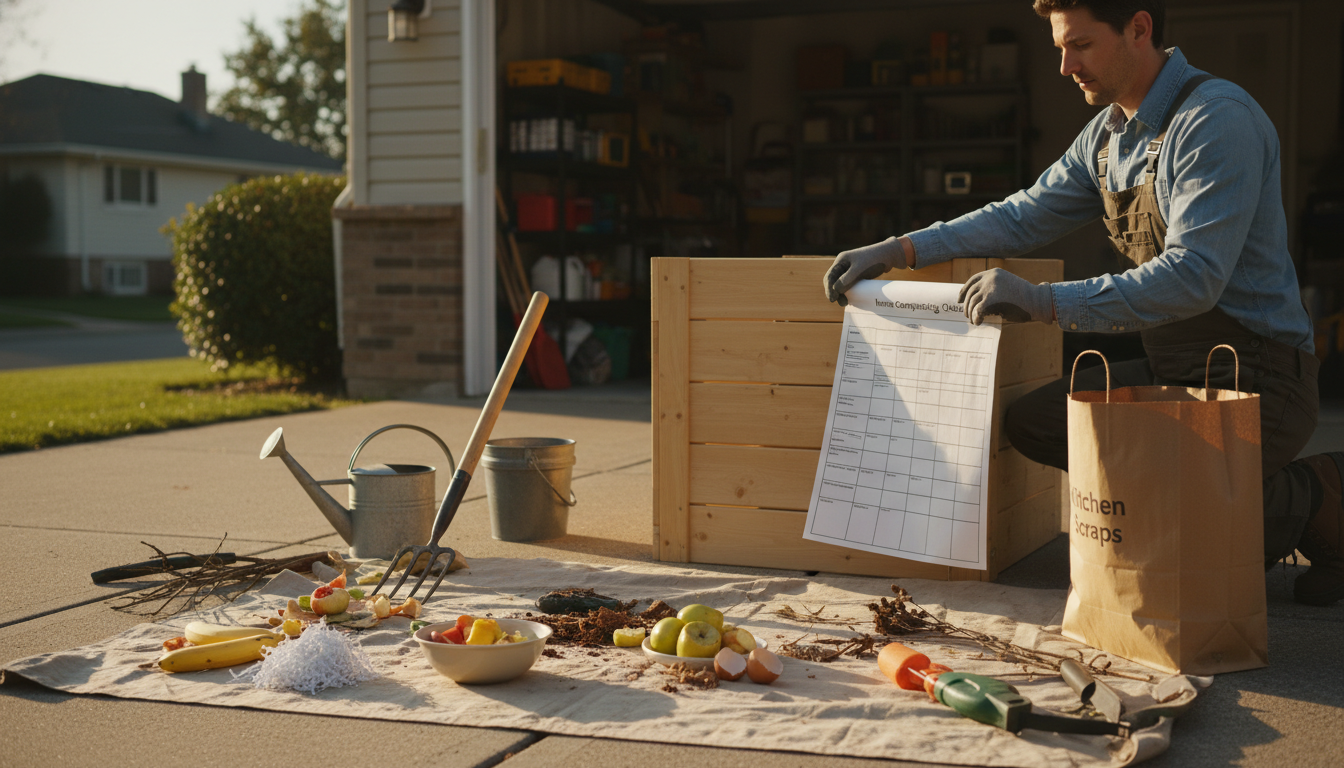
If you’re looking for a “PDF” on turning kitchen scraps into compost, the most helpful approach is to follow a simple, repeatable method you can print or save. Start by setting up a small compost system at home, then feed it the right mix of kitchen “greens” (nitrogen) and dry “browns” (carbon). Once the routine is in place, you can easily create your own one-page checklist to keep near the bin.
Step-by-step home composting from kitchen waste
1) Choose a compost container. For apartments, use a countertop scrap caddy plus a small vented bin or worm bin. For yards, use a lidded outdoor bin or a simple pile in a contained area.
2) Collect the right kitchen scraps (“greens”). Add fruit and veggie peels, coffee grounds and filters, tea leaves (remove staples), eggshells (crushed), and small amounts of cooked grains. Avoid meat, bones, greasy foods, and dairy unless you’re using a specialized, sealed system.
3) Balance with “browns.” Every time you add scraps, cover them with shredded cardboard, dry leaves, paper towel (not greasy), or shredded paper. A good rule is about 2–3 parts browns to 1 part greens by volume to reduce odor and pests.
4) Keep it damp, not wet. Compost should feel like a wrung-out sponge. If it’s soggy, add more browns; if it’s dry, sprinkle water and mix.
5) Add air and mix regularly. Turn or stir weekly (or more often for faster results). Airflow prevents rot smells and speeds decomposition.
6) Watch for “finished” compost. It’s ready when it looks dark and crumbly and smells earthy, with no recognizable food scraps. This usually takes a few months depending on temperature, mix, and turning.
For a more detailed walkthrough with beginner-friendly tips, see the complete guide here: Home Composting Made Simple: Beginner Guide.
FAQ
What kitchen scraps should not go in compost?
Skip meat, fish, bones, dairy, oily foods, and greasy leftovers in most home setups because they attract pests and create odors. Also avoid large amounts of citrus peels or onions if your pile is small and slow to break down.











Leave a comment