


Skills Kids Build With a Pretend Play Tool Bench
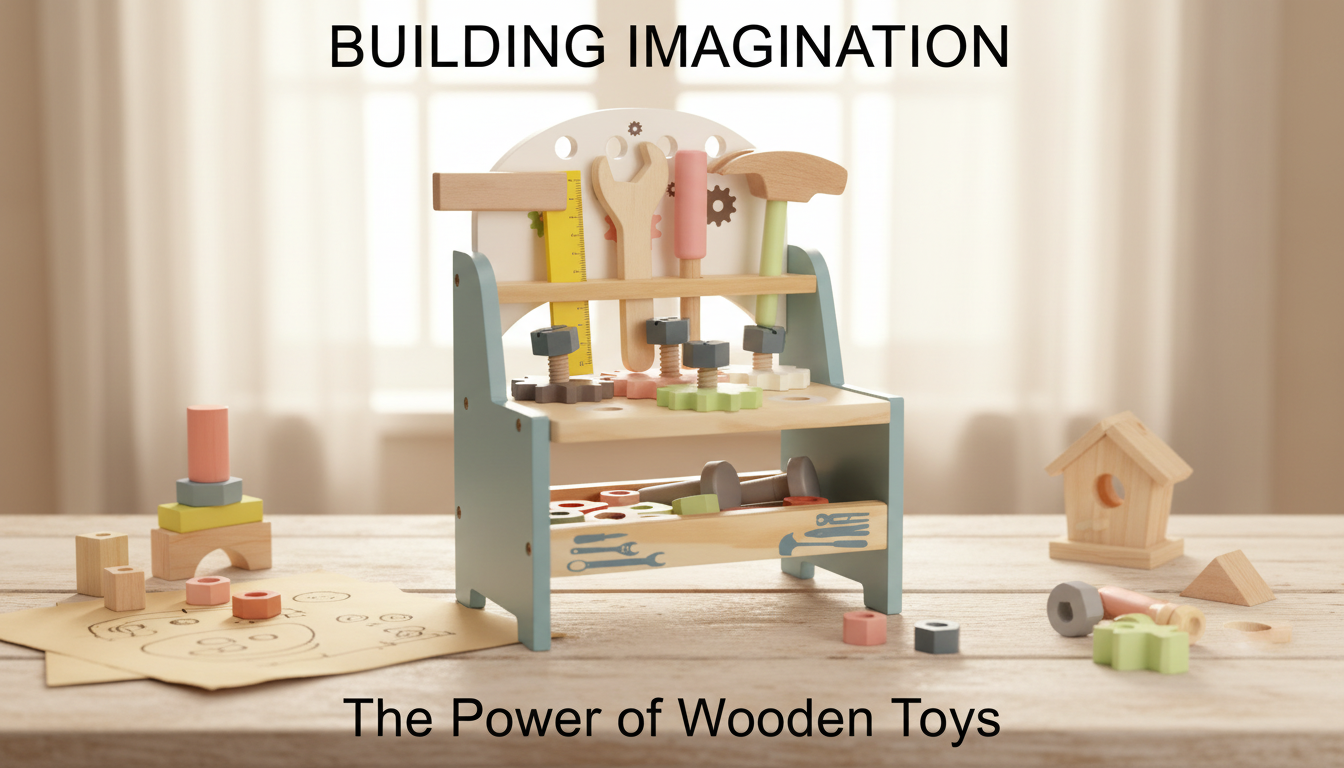
What skills does a pretend play instrument bench help develop in young children?
A pretend play “instrument bench” (often a toy workbench with child-safe tools and parts) supports a wide mix of early childhood skills because it blends hands-on building with imaginative role play. As kids twist, tap, connect, and “fix” things, they practice both thinking and doing—without the pressure of getting a “right” answer.
Answer
Fine motor strength and coordination: Turning screws, fitting pegs, tightening bolts, and using toy hammers helps develop hand strength, finger dexterity, and hand-eye coordination. Those same foundational movements carry over to tasks like using scissors, holding pencils, buttoning, and zipping.
Problem-solving and early STEM thinking: Figuring out which piece fits, how to stabilize a structure, or why something won’t line up encourages kids to test ideas, adjust, and try again. That trial-and-error process builds persistence, spatial reasoning, and simple engineering concepts (balance, alignment, cause-and-effect).
Language and social development: Toy benches naturally invite storytelling and conversation: naming tools, describing steps, asking for parts, and explaining “repairs.” In shared play, children practice turn-taking, negotiating roles (builder, customer, helper), and using polite requests.
Imagination and confidence: Pretend repairs and building projects let kids act out real-world routines and feel capable. Completing a small “project” can strengthen independence and self-confidence, especially when children get to decide what to build next.
Focus and self-regulation: Following a multi-step build, sorting pieces, and sticking with a task helps attention and patience. Because play is self-directed, kids often stay engaged longer than they would with adult-led activities.
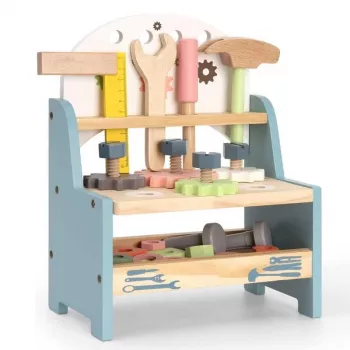
For more ideas on choosing and using a screen-free builder set, visit this guide to a mini wooden tool bench set.
FAQ
What age is appropriate for a toy workbench?
Many children start enjoying a toy workbench around ages 2–3 with larger, simpler pieces, while more detailed sets tend to fit preschool and early elementary ages. Always check the manufacturer’s age recommendation and supervise if small parts are included.










Leave a comment