
Garden Shears vs Pruning Shears: Key Differences
What is the difference between garden shears and pruning shears?
Garden shears and pruning shears are both cutting tools, but they’re designed for different types of plant work and different levels of precision. The fastest way to tell them apart is by what they’re meant to cut and how they’re held.
Garden shears: built for shaping and speed
Garden shears usually refer to larger, two-handed shears used to trim and shape soft, leafy growth. Think hedges, boxwoods, ornamental shrubs, and general cleanup where you’re making lots of quick cuts across thin stems. Their longer blades and handles give you reach and efficiency, but they’re not meant for tight, selective cuts close to a branch collar.
Because garden shears often cut in a scissor-like motion across a wider area, they can sometimes crush thicker or woody stems rather than slice them cleanly. They’re best when the goal is a neat outline and even surface.
Pruning shears: made for precision cuts on woody stems
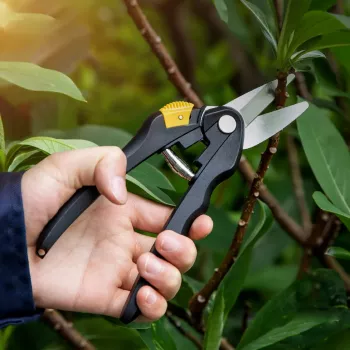
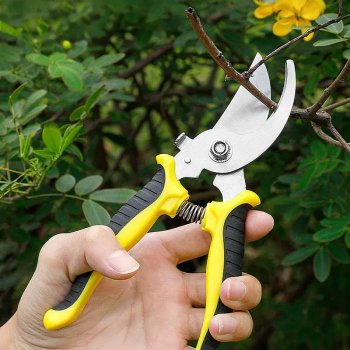
Pruning shears (also called hand pruners or secateurs) are typically one-handed tools designed for clean, controlled cuts on individual stems and small branches. They’re used for roses, fruit trees, bonsai, flowering plants, and any job where plant health depends on a crisp cut. Many pruning shears use bypass blades (one blade passes the other) to reduce tearing, especially on live wood.
Pruning shears excel in close quarters and detail work: deadheading blooms, thinning growth, removing crossing branches, and making selective cuts that guide how a plant grows.
Which one should you choose?
If you’re shaping a hedge or trimming lots of soft growth quickly, reach for garden shears. If you’re cutting individual stems, working around buds, or pruning woody growth where clean cuts matter, choose pruning shears. For a deeper look at selecting the right hand pruners (including 8-inch options for flowers and fruit trees), visit this pruning shears guide.
FAQ
What can I use pruning shears for?
Pruning shears are ideal for trimming stems, deadheading flowers, cutting back perennials, and making clean cuts on small woody branches. They’re especially useful when precision and plant-friendly cuts matter.











Leave a comment