

Built-In vs Remote Thermostat Space Heaters Explained
What is the difference between a space heater with a built-in thermostat and one with a remote thermostat?
A space heater with a built-in thermostat measures temperature right at the heater’s body. A heater with a remote thermostat (often built into the remote control or a separate sensor) measures temperature from where the sensor is located—typically closer to where people sit or sleep. That single design change can affect comfort, accuracy, and how often the heater cycles on and off.
Answer
How a built-in thermostat works
With a built-in thermostat, the heater reads the air temperature near its intake or housing. This can be convenient and simple, but the reading may be influenced by the heater’s own warmth, nearby drafts, or its placement (for example, close to a wall or on a cold floor). As a result, the heater may shut off sooner than expected (because the area around the unit warms quickly) while the rest of the room still feels cool.
How a remote thermostat works
A remote thermostat lets the heater “listen” to a sensor positioned away from the heater, such as on a nightstand, desk, or across the room. Because it measures temperature closer to the lived-in area, it often maintains a more consistent feel where it matters. This setup can reduce hot-and-cold swings, especially in bedrooms and offices where the heater sits in a corner but comfort is needed several feet away.
Which one is better for most rooms?
If the heater will be placed near the area you want to heat (like under a desk), a built-in thermostat can work well. If the heater must sit farther away, or if you want steadier comfort at a specific spot (like next to the bed), a remote thermostat typically provides better control because it responds to the temperature where you actually are.
Other practical differences to consider
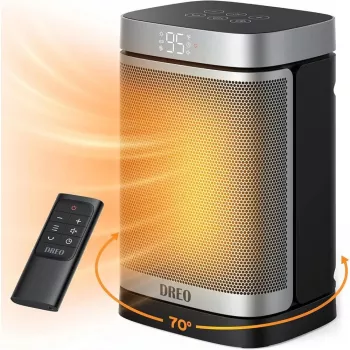
Remote-thermostat heaters can be easier to fine-tune without getting up, but they rely on a clear signal and good sensor placement. Built-in thermostats are simpler and may cost less, but they’re more sensitive to placement and can be less representative of overall room temperature. For more details on remote-thermostat models and controls, see this guide to 1500W oscillating heaters with remote thermostat features.
FAQ
Where should you place a remote thermostat sensor for the most accurate comfort?
Place it near the area you want to feel comfortable (such as by the bed or seating), at about chest height, and away from drafts, sunny windows, and direct airflow from the heater.










Leave a comment