
Downsides of Zoom Cameras: Quality, Low Light, Bulk
What are the downsides of zoom cameras?
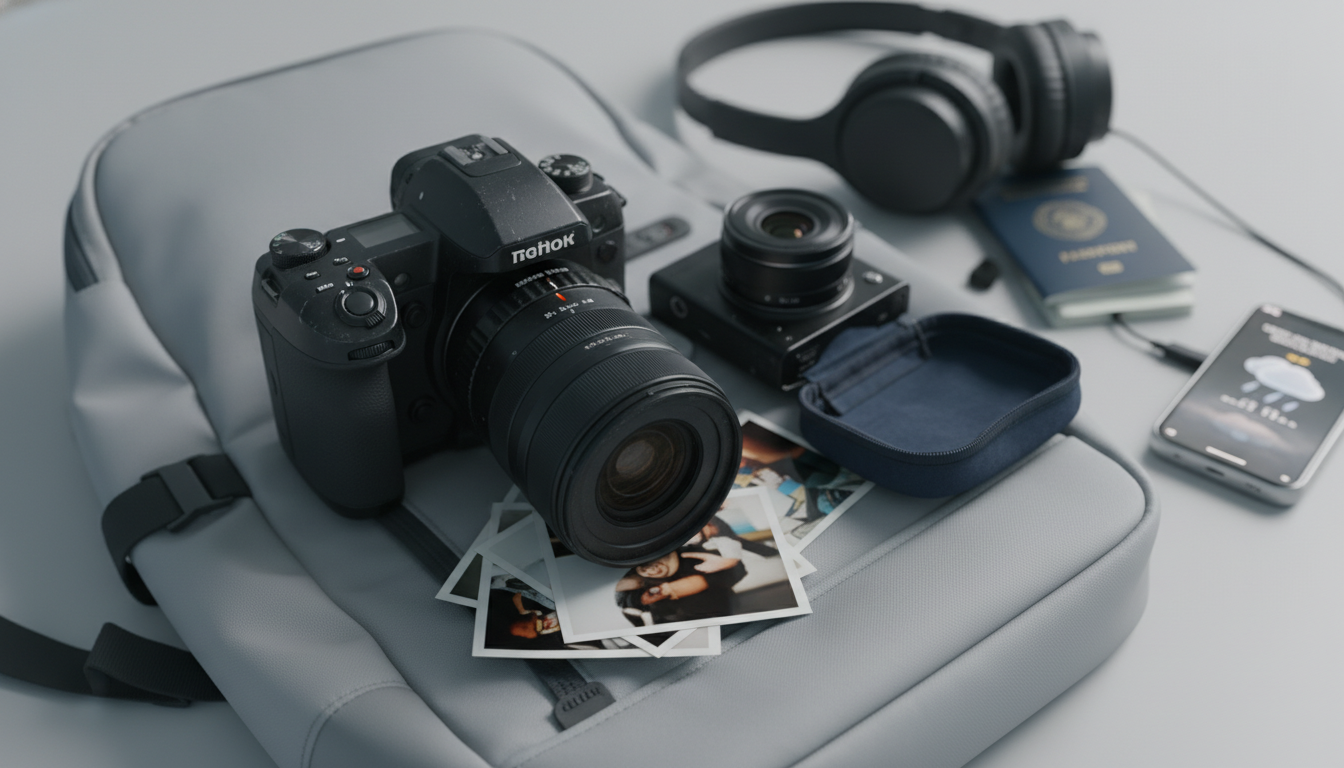
Zoom cameras are popular because they cover a wide range of focal lengths without requiring multiple lenses. The tradeoff is that convenience can come with compromises in image quality, low-light performance, size, and long-term flexibility—especially when comparing fixed-lens “superzoom” models or kit zoom lenses to higher-end prime lenses.
Main drawbacks to consider
Lower image quality at the extremes
Many zoom lenses are sharpest in the middle of their range and can look softer at the widest and longest settings. Edge-to-edge sharpness, contrast, and distortion control may also suffer, especially on budget zooms and high-ratio superzooms.
Slower apertures and weaker low-light results
Zoom lenses often have smaller maximum apertures (higher f-numbers), particularly as you zoom in. That means less light reaches the sensor, which can force higher ISO (more noise), slower shutter speeds (more blur), or heavier reliance on flash.
Bigger, heavier, and more conspicuous
Compared with primes, zoom setups can be bulkier—making them less comfortable for travel, street photography, or long shooting days. Large zoom lenses also stand out more, which can be a downside for candid shooting or low-profile work.
More optical compromises and artifacts
To deliver a variable focal length, zoom optics can introduce issues like chromatic aberration (color fringing), vignetting (dark corners), and visible distortion. While modern camera profiles can correct some of this, corrections may crop the frame or reduce fine detail.
Cost and upgrade tradeoffs
High-quality zooms that minimize these problems can be expensive. Meanwhile, entry-level zooms may feel limiting as skills grow, leading to an eventual upgrade—sometimes costing more than starting with a strong prime and adding lenses intentionally.
For a deeper breakdown and practical examples, visit this guide on the downsides of zoom cameras.
FAQ
Are prime lenses better than zoom lenses for portraits?
Often, yes—primes tend to be sharper with wider apertures for stronger background blur and better low-light performance. Zooms can still work well for portraits, but the look and subject separation may be harder to achieve with slower lenses.










Leave a comment