

Undercarriage Rust-Proofing: Is It Worth the Cost?
Is undercarriage rust-proofing worth it?
Undercarriage rust-proofing is usually worth it if a vehicle sees winter road salt, coastal air, frequent rain, dirt roads, or long-term outdoor parking. The underside takes constant hits from moisture and grit, and once rust starts in seams, welds, and boxed sections, it tends to spread under paint and coatings where it’s hard to spot or stop.
The value is biggest for drivers who plan to keep a car for years, want to protect resale value, or own a truck/SUV that’s regularly exposed to mud and slush. Rust-proofing can slow corrosion, reduce the chance of fasteners seizing, and help preserve brake/fuel lines, suspension mounts, and subframe areas that are expensive to repair.
When it’s most worth it
It’s a strong payoff in rust-belt states and anywhere de-icing chemicals are common. It’s also a smart move after cleaning up early surface rust: treating the metal and adding a protective layer can prevent a small problem from turning into structural or safety-related damage.
When it may not be worth it
If a vehicle already has heavy flaking scale, soft metal, or advanced perforation, coatings can hide trouble instead of fixing it. In that case, repairs (or replacement parts) come first. It can also be less compelling for short-term ownership in dry climates, where corrosion progresses slowly.
What makes it effective
Results depend on prep and product choice. A proper job starts with removing packed mud and salt, letting the underside fully dry, addressing loose rust, then applying a coating suited to the conditions. Some products form a tougher barrier; others are oil/wax-based and creep into seams but need periodic reapplication.
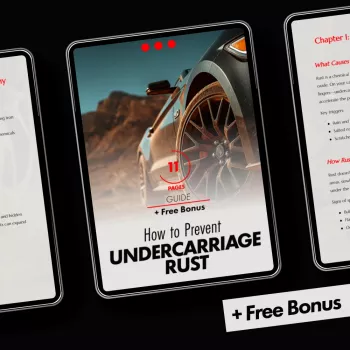
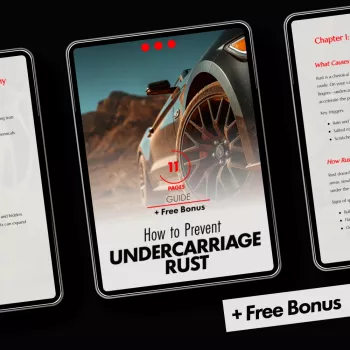
For a practical walkthrough on cleaning, removing rust, and protecting the underside, see this guide to stop undercarriage rust.
FAQ
How much does it cost to rust proof an undercarriage?
Costs vary by vehicle size, product type, and prep work. Basic spray applications can be relatively affordable, while thorough cleaning, rust treatment, and premium coatings typically cost more due to labor and materials.










Leave a comment