


Undercarriage Rust: When It’s Cosmetic vs Dangerous
How serious is undercarriage rust?
Undercarriage rust can range from a cosmetic nuisance to a safety issue, depending on where it is and how far it has progressed. Surface rust on exposed metal parts often looks alarming but may not immediately affect drivability. The bigger concern is rust that keeps spreading, flakes, or forms deep pitting—especially on structural components and any parts that hold the vehicle together or stop it.
When rust is minor
Light, orange-brown discoloration on brackets, non-critical crossmembers, and some suspension hardware is common in wet or salty climates. If the metal still looks solid, isn’t scaling, and you’re not seeing layers peeling off, it’s typically early-stage. At this point, cleaning, removing loose rust, and applying a protective coating can slow or stop it before it becomes expensive.
When rust becomes serious
Rust is serious when it compromises strength or creates the risk of failure. Warning signs include heavy flaking (rust scale), deep pits, soft spots, bubbling around seams, and holes. Pay close attention to frame rails, subframes, control arm mounting points, spring perches, rocker panels, brake and fuel lines, and exhaust hangers. If a shop can poke through an area with a tool, the metal has already lost significant integrity.
Why it matters for safety and cost
Progressive rust can weaken critical mounting points and cause alignment issues, noisy suspension movement, and premature part wear. Corroded brake lines can leak without much warning, and seized fasteners can turn simple repairs into major labor bills. Rust also hurts resale value—buyers and inspectors often treat extensive underbody corrosion as a red flag.
What to do next
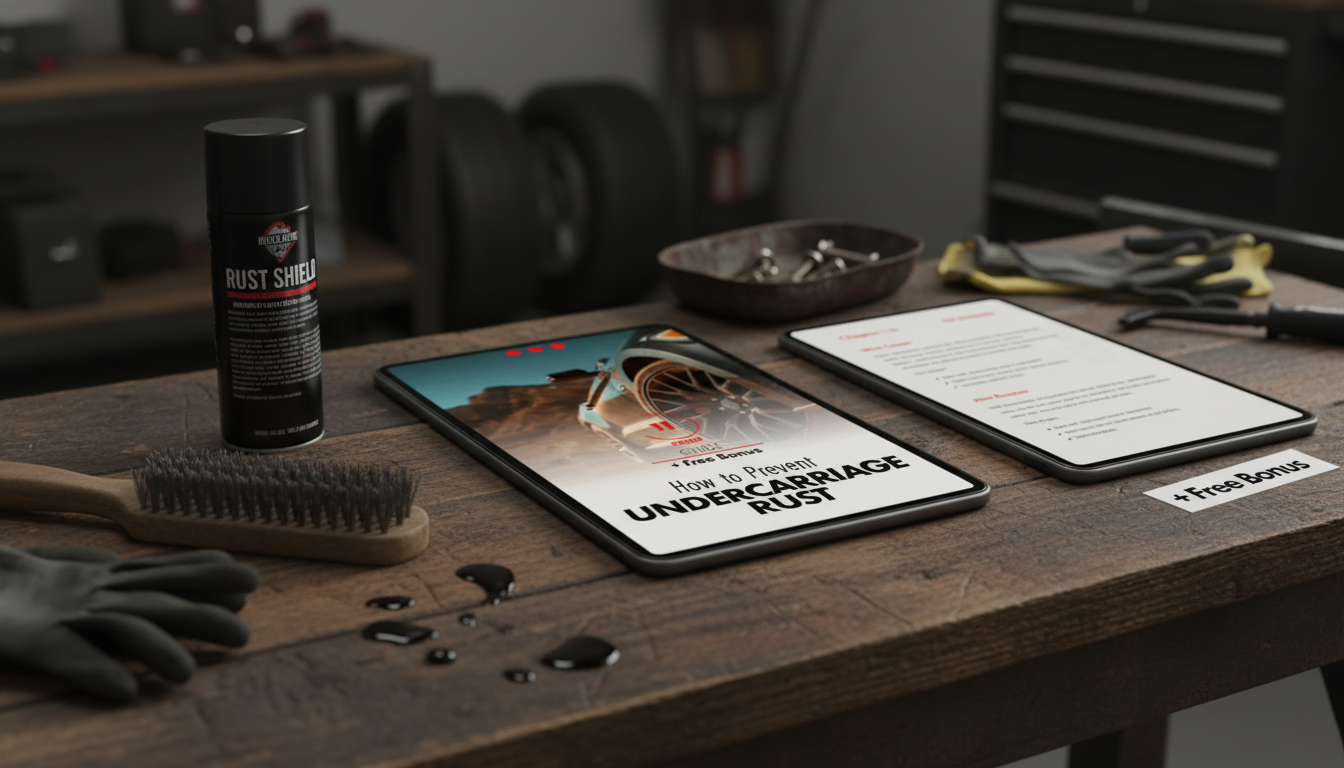
If you’re seeing more than light surface rust, get the undercarriage inspected and start prevention immediately. A practical approach is to wash off salt and grime, address existing corrosion, then protect the metal with a coating suited for underbody exposure. For a step-by-step breakdown, see this guide to stopping undercarriage rust.
FAQ
Does undercarriage rust affect resale value?
Yes. Visible undercarriage corrosion often lowers offers because it signals potential hidden repairs, harder maintenance, and shortened vehicle life—especially in areas with road salt.










Leave a comment