

Whopper Popper Rotating Tail: 7g vs 12g Topwater
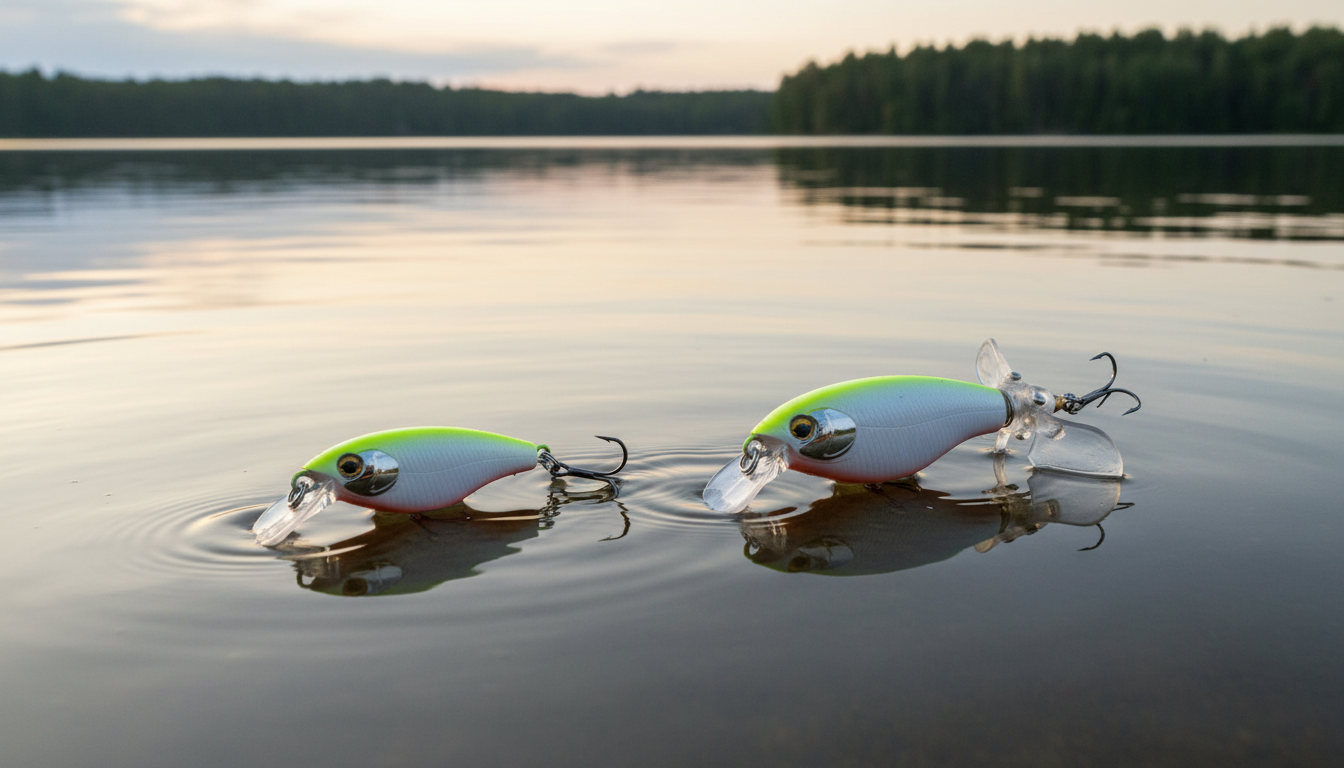
Topwater Whopper Popper Fishing Lure with Rotating Tail (7g/12g): When to Throw It and How to Fish It
A rotating-tail topwater lure is built to call fish up with surface noise, vibration, and a steady wake. If you want a bait that’s simple to fish but still has enough commotion to pull predators out of cover, a “plopper-style” rotating tail is hard to beat. Below is a practical breakdown of where it shines, how to retrieve it in real conditions, and how to match the 7g vs 12g size to your water and target species.
What a rotating-tail topwater lure does differently
Unlike many topwaters that rely on rod twitches, a rotating-tail lure does most of the work on a straight retrieve. That makes it ideal for anglers who want to cover water quickly and keep the bait in the strike zone longer.
- Creates a surface “plop” and bubble trail as the tail spins, helping fish track it in low light or stained water.
- Runs on a straight retrieve like a wake bait, making it easy to fish efficiently along banks, edges, and lanes.
- Triggers reaction strikes from fish that are feeding shallow or defending territory (especially around beds, bluegill colonies, or high-traffic ambush points).
- Works around grass lines, riprap, docks, and shallow flats where fish look up for silhouettes.
For many bass waters, surface feeding windows can be tied to light levels and oxygen/temperature changes. When fish stop roaming shallow, they may set up deeper around a temperature break (thermocline) and feed shallower only during prime windows; NOAA’s overview of what a thermocline is provides helpful context for why those bite windows can feel “on/off” in summer.
7g vs 12g: picking the right weight for the conditions
Both sizes can catch the same species, but they behave differently on the cast and on the retrieve. Picking the weight that matches your conditions usually leads to cleaner tracking and better hookups.
- 7g is best for calmer water, shorter casts, and smaller forage profiles; it can be easier to keep high on the surface at slower speeds.
- 12g generally casts farther, handles wind better, and stays stable on a faster retrieve; useful for covering big flats, long points, and windy banks.
- Heavier options often pair better with slightly stiffer rods to drive treble hooks home at range.
- When fish are short-striking, sizing down and slowing the retrieve often improves hookups.
Quick size guide for common scenarios
| Situation | Better pick | Why it helps |
|---|---|---|
| Glass-calm morning over shallow flats | 7g | Subtle profile and easier slow wake without blowing out |
| Windy bank, long casts needed | 12g | Better casting distance and stability in chop |
| Fishing around docks and tight targets | 7g | More controllable placement and quieter entry |
| Covering a big weed edge quickly | 12g | Tracks straight at higher speed and calls fish from farther |
Where it gets the most bites
Rotating-tail topwater baits produce best when fish are willing to rise and commit. That often means targeting feeding lanes, edge cover, and predictable “ambush geometry.”
- Low-light windows: dawn, dusk, and overcast days—fish are more willing to rise and chase.
- Post-spawn and summer: predators patrol shallow routes, especially near bluegill beds and shade lines.
- Edges matter: fish parallel grass lines, reed edges, and riprap transitions to keep the lure in the strike zone longer.
- Current seams: cast up-current and retrieve through the seam so the lure stays visible, noisy, and moving naturally with the flow.
If you’re targeting largemouth or other black bass species, regional behavior and habitat preferences can vary; the Florida Fish and Wildlife Conservation Commission’s overview of black bass is a solid reference for understanding where bass commonly relate in freshwater systems.
Retrieve patterns that consistently work
The biggest advantage of a rotating-tail bait is that it’s effective without fancy rod work. Focus on speed control and angles around cover.
- Straight steady retrieve: the baseline. Adjust speed until the tail “plops” cleanly without the bait rolling.
- Pace changes: add short speed bursts near cover (dock posts, grass points, laydowns) to trigger followers.
- Stop-and-go: pause for 1–3 seconds after a few cranks; many strikes happen right as it starts moving again.
- Target approach: land beyond the cover edge, start the retrieve immediately, and keep it moving through the best water instead of accelerating too late.
One practical rule: if the lure is rolling, “blowing out,” or skipping across the surface, the retrieve is too fast for the weight/conditions—or your angle is too aggressive across chop. Slow down first, then adjust size if needed.
Tackle setup for better hookups and fewer lost fish
Because rotating-tail baits typically use treble hooks, the goal is steady pressure and clean penetration—not a violent, upward “snap” hookset.
Common problems and quick fixes
Product option: Topwater Whopper Popper Fishing Lure with Rotating Tail – 7g/12g
If you want one rotating-tail topwater that can be matched to calm mornings or windy banks, the Topwater Whopper Popper Fishing Lure with Rotating Tail – 7g/12g gives two weights to fit the conditions. Use it as a search bait along shallow edges and structure; if fish show themselves but won’t commit, follow up with a slower topwater or a soft plastic to finish the job.
At-a-glance
| Item | Details |
|---|---|
| Name | Topwater Whopper Popper Fishing Lure with Rotating Tail – 7g/12g |
| Price | 15.67 USD |
| Availability | In stock |
More in-stock picks
- 125mm F10 Schmidt-Cassegrain Computerized GoTo Astronomical Telescope with StarBright XLT
- Naturally Awake: Puffy Eye Solutions – Natural Remedies for Puffy Eyes Guide
FAQ
Is the Whopper Plopper good for topwater fishing?
Yes—rotating-tail topwater baits are designed specifically for surface fishing, creating noise and a wake that pulls fish up. They’re especially effective in low light, around shallow cover, and when fish are actively feeding.









Leave a comment