


Wall-Mounted Ceramic Sink + Steel Stand: Space-Smart Style
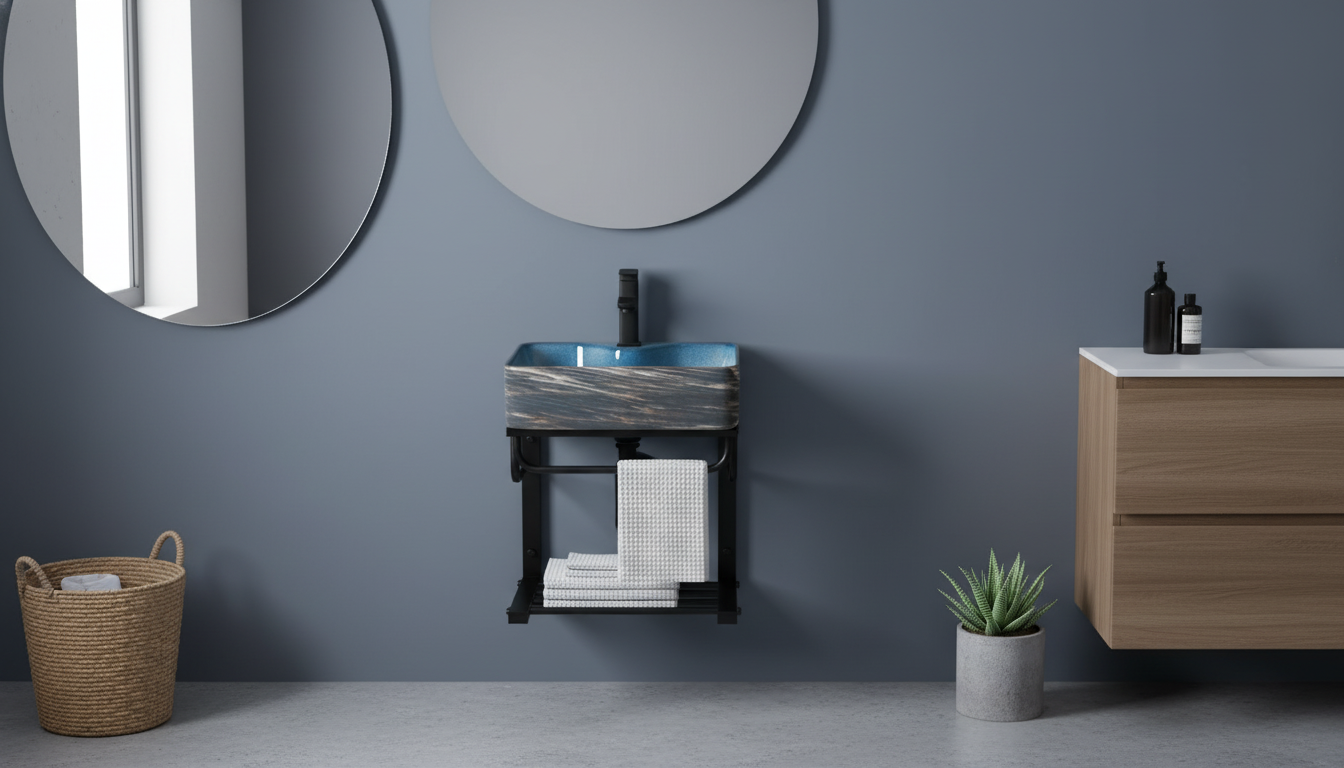
Wall-Mounted Ceramic Sink with Stainless Steel Stand: A Clean, Space-Smart Bathroom Upgrade
A wall-mounted ceramic sink paired with a stainless steel stand delivers a light, open look while still feeling secure and supported. The floating-style layout can make smaller bathrooms feel less crowded, reduce the number of hard-to-reach floor corners, and offer a durable washing surface that stands up to everyday routines. For powder rooms, guest baths, and minimalist renovations, this sink-and-stand combination hits a practical middle ground between a full vanity and a purely decorative pedestal. For more guidance, see Best Bathroom Sinks | Bathroom Sink Reviews – Consumer Reports.
What This Sink-and-Stand Setup Adds to a Bathroom
- Space-friendly layout: A wall-mounted basin helps visually open up tight bathrooms and powder rooms where every inch counts.
- Easy-care ceramic surface: Smooth, glazed ceramic is designed for daily handwashing and quick wipe-down cleaning.
- Stable support with a slim footprint: A stainless steel stand adds steadiness without the bulky look of a cabinet.
- Cleaner floor lines: With less furniture touching the floor, mopping and routine cleaning can feel simpler.
- Versatile style: The mix of ceramic and stainless steel works with modern, industrial, and minimalist interiors.
Key Features to Look For
1) Basin material and finish
Choose a glazed ceramic basin with a smooth finish for everyday stain resistance and straightforward cleanup. A quality glaze also helps the surface stay bright and consistent over time, even in frequently used bathrooms. For further reading, see [PDF] County of San Diego Food Facility Plan Review Guide.
2) Stand material and construction
Stainless steel is popular in bathrooms because it resists corrosion better than many other metals and keeps a crisp, clean look. Look for a stand design that feels rigid (minimal wobble) and supports the basin without adding visual clutter.
3) Mounting method and wall readiness
Because the basin is wall-mounted, the wall must be able to handle the load. Confirm the sink’s mounting approach and ensure the wall structure supports it—typically through studs, blocking, or appropriate masonry anchors. If needed, plan for reinforcement before tile or drywall is finished.
4) Plumbing compatibility
Before ordering, verify drain placement, trap clearance, and faucet configuration. Check whether the sink is designed for a single-hole or widespread faucet, and confirm that the drain outlet height aligns with your existing rough-in or planned plumbing changes.
5) Daily comfort
Details like bowl depth, rim shape, and interior slope affect splash control and handwashing comfort. A slightly deeper bowl can be especially helpful in compact bathrooms where users are closer to the basin.
Where This Style Works Best
- Small bathrooms and powder rooms: Preserves visual openness and can reduce the “packed-in” feeling.
- Guest bathrooms: Creates a sleek, easy-to-clean sink zone with a polished look.
- Renovations without a bulky vanity: Achieves an airy layout while still offering structured support.
- Utility-inspired spaces: Stainless accents pair naturally with concrete, subway tile, and matte black hardware.
- Homes prioritizing durability: Ceramic offers a resilient surface, while the stand adds a practical stabilizing element.
Installation Planning Checklist
- Confirm wall type and strength: Wall-mounted sinks typically need secure anchoring into studs, blocking, or masonry.
- Measure rough-in locations: Water supply lines, drain height, and outlet position should align with the sink and stand.
- Plan for faucet selection: Ensure faucet reach and height match the basin geometry and mounting style to reduce splash.
- Seal and waterproofing: Apply appropriate sealant where the sink meets the wall to help prevent water intrusion behind the basin.
- Consider accessibility: Set the mounting height for comfortable daily use and any future needs.
For water-saving upgrades, consider pairing the sink with an efficient faucet. The EPA WaterSense guidance on bathroom sink faucets is a helpful reference for performance and conservation. For fixture standards and material references, see the ANSI/ASME A112.19.2 overview for ceramic plumbing fixtures.
Care and Maintenance
Quick Comparison: Sink + Stand vs. Other Common Options
| Setup | Best for | Pros | Considerations |
|---|---|---|---|
| Wall-mounted ceramic sink with stainless steel stand | Small baths, modern looks, easy cleaning | Open feel, durable materials, stable support | Less built-in storage than a vanity; requires solid wall mounting |
| Pedestal sink | Traditional style, compact layouts | Slim footprint, classic appearance | Limited support and storage; cleaning around base can be fiddly |
| Vanity with countertop sink | Storage-focused bathrooms | Conceals plumbing, adds cabinet space | Bulkier visual footprint; harder to clean around toe-kick corners |
| Wall-hung vanity | Modern bathrooms needing storage | Floating look with storage and open floor beneath | Typically higher cost; careful mounting and leveling needed |
A Strong Fit for Minimalist Renovations
In-Stock Picks to Complete the Upgrade
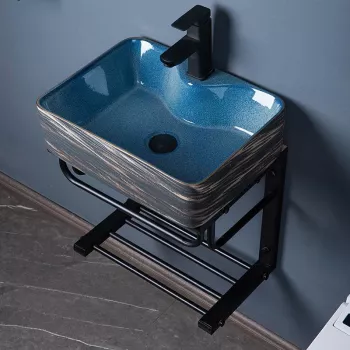
- Wall-Mounted Ceramic Sink with Stainless Steel Stand — a space-smart setup that combines a glazed ceramic basin with a clean-lined stainless support frame.
- 100W USB-C to USB-C Fast Charging Cable with PD 3.0 & QC 4.0 – 5A Power — useful for keeping a phone or rechargeable work light powered during measuring, layout, and installation.
FAQ
Does a wall-mounted sink need to be attached to studs?
Typically yes, or it must be anchored to solid blocking or masonry with appropriate hardware. Confirm your wall structure and follow local code guidance; professional installation is often recommended for safety and long-term stability.
How is a ceramic sink best cleaned without damaging the finish?
Use a non-abrasive cleaner with a soft cloth or sponge, then rinse and dry. Avoid scouring pads and harsh chemicals that can dull the glaze over time.
Will a stainless steel stand rust in a bathroom?
Stainless steel is corrosion-resistant, but regular wiping and drying helps prevent water spots and surface discoloration. Avoid abrasive cleaners and rinse away residue thoroughly after cleaning.











Leave a comment