

U-Shape Memory Foam Neck Pillow for Travel Comfort
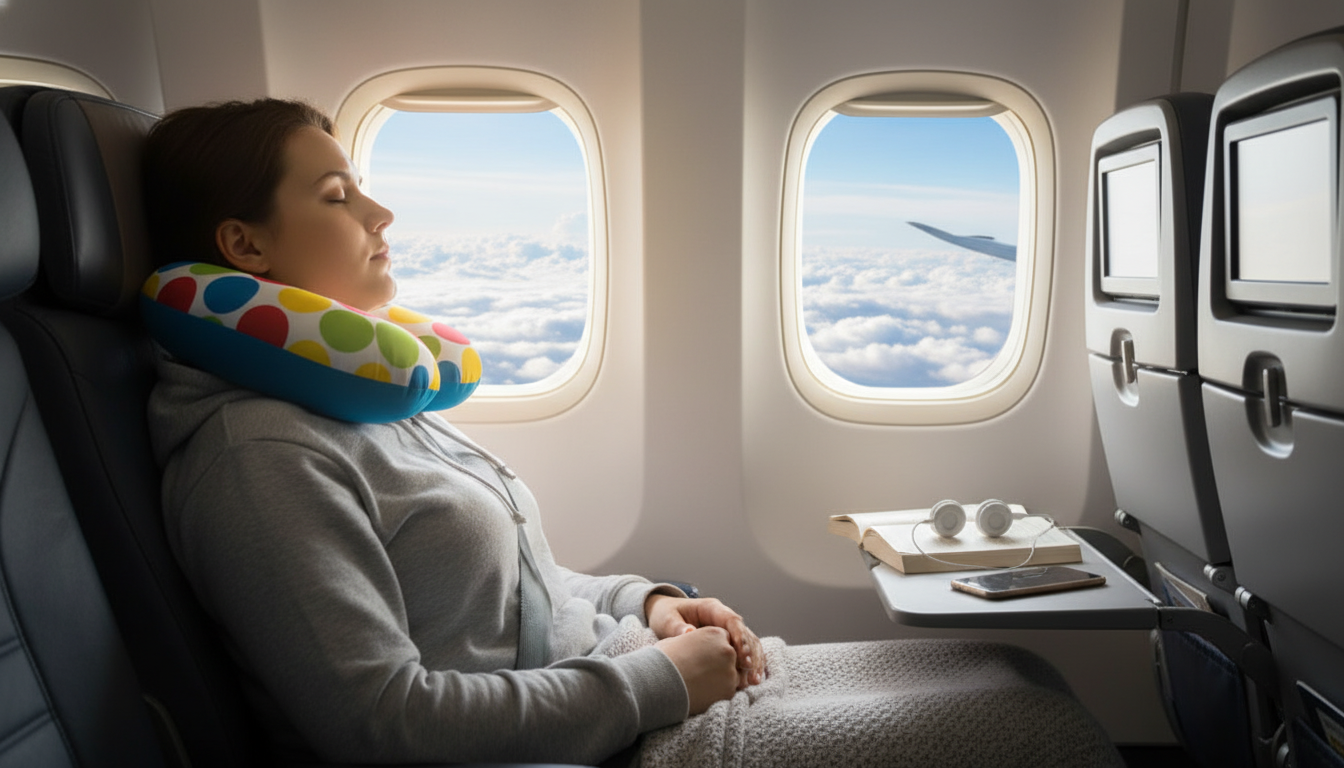
U-Shape Memory Foam Neck Pillow: Comfortable Support for Travel and Rest
A U-shape memory foam neck pillow is designed to cradle the neck and limit awkward head tilt during travel, lounging, or quick naps. The right fit can reduce muscle strain, improve comfort in upright seats, and make it easier to rest without waking up stiff.
What a U-Shape Memory Foam Neck Pillow Does
U-shape travel pillows are built for seated, upright situations where your head tends to drift as you relax. Instead of trying to “replace” a bed pillow, they focus on stabilizing your neck so your head doesn’t repeatedly drop into uncomfortable angles.
- Supports the sides of the neck to help prevent the head from dropping forward or sideways
- Distributes pressure more evenly than flat or loosely filled pillows
- Works best for upright situations: planes, trains, buses, car passengers, office chairs, and reclining on a couch
- Memory foam responds to body heat and pressure for a more customized feel
Why Memory Foam Feels Different Than Microbeads or Fiberfill
Not all travel pillows “hold” your neck the same way. Much of the difference comes down to how the fill behaves when you shift in your seat, nod off, or reposition your shoulders.
- Memory foam compresses slowly and rebounds gradually, creating steadier support during small movements
- Fiberfill can shift and clump over time, often requiring frequent reshaping
- Microbeads can feel cool and moldable but may compress unevenly and provide less consistent lift for the neck
- A removable cover (when available) helps keep the pillow fresher during frequent travel
If you’re sensitive to heat, memory foam may feel warmer than other fills—especially on long rides. Choosing breathable clothing at the collar and taking short “air breaks” can help keep things comfortable.
Comfort and Fit: Getting the Support in the Right Place
A neck pillow can be high-quality and still feel “off” if it doesn’t match your build or the seat you’re using. Small fit issues—like a gap behind the neck—can be the difference between dozing comfortably and constantly resetting your posture.
- Back gap matters: if there’s a large space between the pillow and the back of the neck, the head may still fall forward.
- Chin position: the pillow should not force the chin upward; aim for a neutral head position.
- Shoulder width and neck length: these affect fit more than height alone.
- Seat posture: the pillow works best when the back is supported and the headrest isn’t pushing the pillow forward.
A simple adjustment that often helps: scoot your hips back, let your upper back contact the seat, then place the pillow so the side bolsters meet your jawline/neck rather than sitting too low on the shoulders.
When It Helps Most (and When It Might Not)
U-shape memory foam pillows shine in the exact scenarios that tend to trigger neck fatigue: upright seats, limited recline, and long stretches of staying still.
- Helps most: long flights, road trips (as a passenger), commuting naps, reading or gaming in a chair, and post-work decompression.
- May help less: stomach sleeping, very firm headrests that push the head forward, or situations where a lumbar support adjustment is the main need.
- For ongoing or severe neck pain: consider a clinician’s advice to rule out injury or nerve involvement.
For general neck pain context and when to seek care, authoritative overviews from Cleveland Clinic and Mayo Clinic can be helpful reference points.
Quick Comparison: Pillow Materials and Use Cases
| Type | Feel | Support Level | Best For | Tradeoffs |
|---|---|---|---|---|
| Memory foam (U-shape) | Slow-molding, cushioned | Medium to high | Long rides, upright napping | Can feel warm; bulkier than inflatable |
| Inflatable (U-shape) | Firm when fully inflated | Adjustable | Ultralight packing | Less contouring; may feel bouncy |
| Microbead | Loose, moldable | Low to medium | Short naps, flexible positioning | May compress; less stable support |
| Fiberfill | Soft, plush | Low to medium | Casual use, softer feel | Can flatten; needs frequent reshaping |
Care, Cleaning, and Longevity Tips
Product Spotlight: U-Shape Memory Foam Neck Pillow
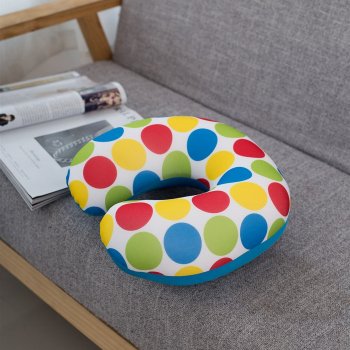
If your goal is steadier neck support in upright seats, the U-Shape Memory Foam Neck Pillow is a practical, everyday travel essential. It’s designed to support the neck in seated positions for travel, commuting, or quick naps, and the memory foam cushioning aims to reduce pressure points during extended sitting.
Simple Travel Comfort Pairings
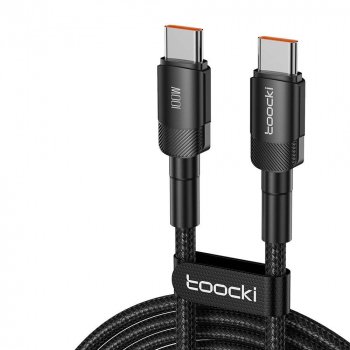
- A reliable fast charging cable helps keep phone, headphones, or tablet powered during layovers and long rides. Consider the 100W USB-C to USB-C Fast Charging Cable with PD 3.0 & QC 4.0 – 5A Power for compatible devices.
- A sleeping bag liner can improve comfort and cleanliness in shared lodging or when using blankets on the go. The Cotton Sleeping Bag Liner is a solid option when you want a more familiar feel between you and shared bedding.
- Combining neck support with good back support (rolled jacket or small lumbar cushion) often improves overall posture, which can reduce the tendency to crane the head forward.
FAQ
Can a U-shape neck pillow help with neck pain during travel?
It can help reduce strain caused by head droop and awkward angles in upright seats, especially during long rides. If pain is persistent, severe, or includes numbness/tingling, get medical guidance to rule out injury or nerve involvement.
How should a U-shape memory foam neck pillow fit?
It should make snug (not tight) contact around the neck with minimal gap behind the neck, and it shouldn’t push the chin upward. Adjust your seat recline and headrest so the pillow isn’t forced forward and your head stays in a neutral position.
How do you clean a memory foam neck pillow?
Wash the removable cover if applicable, and spot-clean the foam rather than soaking it. Let everything air-dry completely away from direct heat, and air the pillow out occasionally to help reduce odor buildup.










Leave a comment