


Stop Snoring Tonight: Easy Fixes + 3-in-1 Digital Bundle
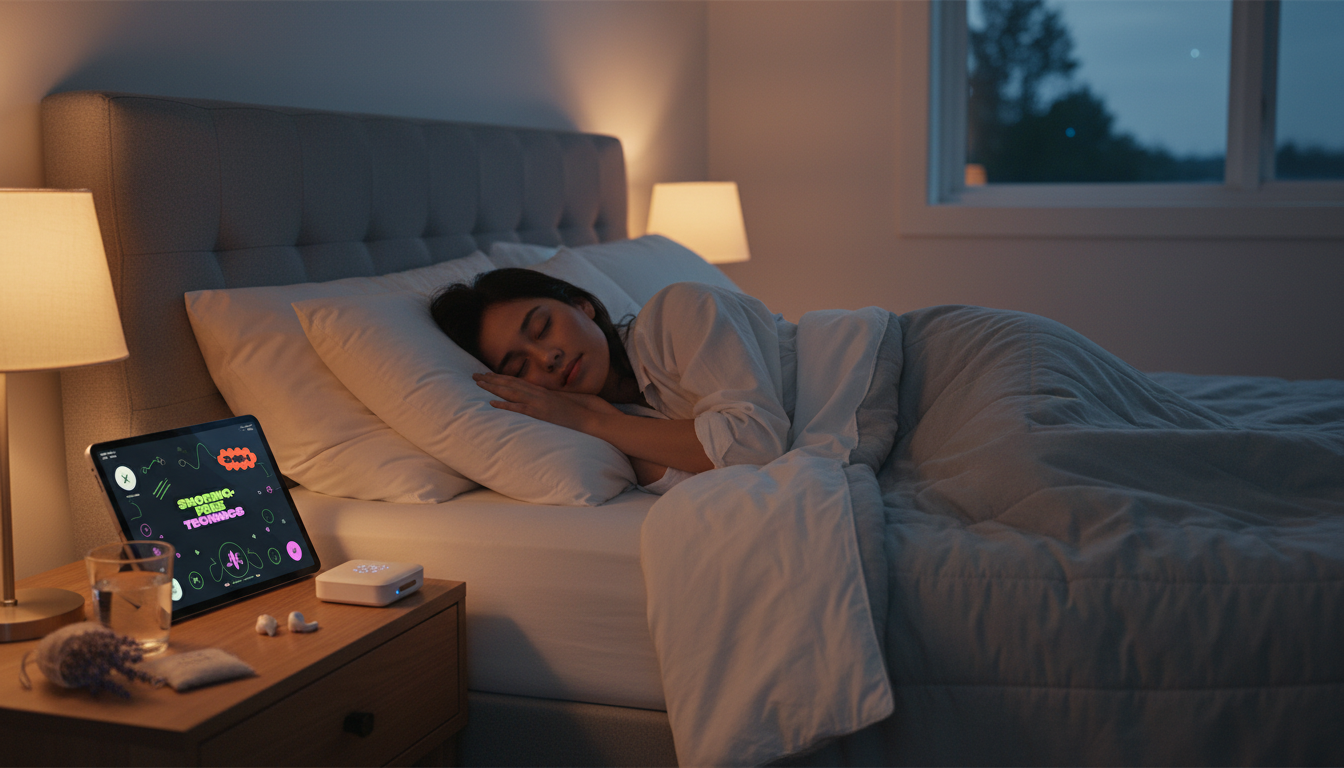
Snoring-Free Technics for a Peaceful Night: Simple Steps and a 3‑in‑1 Digital Bundle
Snoring can turn a full night’s rest into a stop-and-start struggle for both the snorer and anyone nearby. The good news is that many common triggers—sleep position, nasal congestion, evening habits, and throat muscle relaxation—can be addressed with practical, low-effort changes. Below is a structured set of techniques to try, how to track what helps, and when it’s time to involve a clinician.
Why snoring happens (and why it varies night to night)
Snoring occurs when airflow becomes turbulent because tissues in the nose, soft palate, or throat partially narrow the airway during sleep. How loud it gets can change from one night to the next depending on sleep stage, body position, alcohol intake, congestion, and simple fatigue. Occasional snoring is common, but loud, frequent snoring—especially with choking, gasping, or witnessed breathing pauses—can be a sign of obstructive sleep apnea and deserves medical evaluation.
Most people see better results by combining a few targeted adjustments (position + nasal support + habit tweaks) rather than hoping a single “magic fix” solves everything.
Quick self-check: likely triggers to target first
Start by spotting what’s most likely driving your snoring. Common triggers include nasal blockage (allergies, colds, deviated septum, or dry air), back sleeping, evening alcohol or sedatives, weight changes, and an irregular sleep schedule that leads to overtired “crash sleep.”
| Trigger | What to try tonight | What to track for 7 days |
|---|---|---|
| Nasal congestion/dryness | Saline rinse, warm shower, humidifier, nasal strips | Nasal openness on waking; mouth dryness; snoring minutes (app) |
| Back sleeping | Side-sleeping pillow support, body pillow, positional reminders | Percent of night on side; partner rating (0–10); wake-ups |
| Late alcohol/heavy meal | Stop alcohol 3–4 hours before bed; lighter dinner | Snoring loudness; sleep quality; next-day sleepiness |
| Allergies | Bedroom dust control, wash bedding weekly, consider clinician-approved meds | Congestion score; sneezing/itching; snoring pattern consistency |
| Jaw/tongue relaxation | Gentle breathing exercises; consider dentist-guided oral device if persistent | Morning sore throat; snoring loudness; partner disturbance |
Positioning techniques that often make the biggest difference
Side sleeping is one of the highest-impact changes for many people, because gravity is less likely to pull the tongue and soft palate backward. Make it easier to stay on your side with a body pillow, or place a pillow behind your back to reduce rolling.
Head and neck alignment matters too. Aim for a neutral neck position—overly high pillows that tuck the chin toward the chest can narrow the airway. If reflux symptoms or post-meal discomfort are part of the picture, slight upper-body elevation may help reduce irritation that contributes to nighttime breathing disruption.
If you often wake up on your back, a consistent positional cue (specialty pillow shape, gentle wearable reminder, or a “pillow barrier” setup) can reduce back time without feeling restrictive.
Nasal and breathing support for smoother airflow
When the nose is blocked, the body often defaults to mouth breathing, which can increase dryness and throat vibration. A few simple options can help:
- Saline irrigation before bed can reduce mucus and irritants and may improve nighttime nasal openness.
- Humidifying a dry bedroom can be helpful when heating or air conditioning dries the air and triggers mouth breathing or throat irritation.
- Nasal strips or internal dilators may improve airflow for some people, particularly when nasal structure limits the passage.
If mouth breathing is persistent, it’s worth focusing on the cause (congestion, allergies, or positioning). Long-term mouth breathing can worsen morning dry mouth and sore throat and may keep the snoring cycle going.
Evening habits that reduce throat relaxation and vibration
Small routine changes can reduce the “perfect storm” of deep relaxation and airway narrowing:
A guided approach: the Snoring-Free Technics 3‑in‑1 digital bundle
If you prefer a repeatable plan instead of nightly guesswork, a structured routine can make it easier to test changes and stick with what works. Snoring-Free Technics for a Peaceful Night – 3‑in‑1 Digital Bundle to Prevent Snoring is designed to bring positioning strategies, breathing-focused habits, and nightly routine steps into one organized system.
What to expect from a structured anti-snoring routine
How to track results without guesswork
If rough nights leave you with visible under-eye puffiness the next day, consider a simple recovery add-on like Naturally Awake: Puffy Eye Solutions – Natural Remedies for Puffy Eyes Guide as a separate, daytime-focused complement while you work on the nighttime routine.
When snoring needs medical attention
Depending on findings, a clinician may recommend an oral appliance (often dentist-guided) or CPAP. Self-help techniques can still support better sleep alongside medical treatment. For more background, see the American Academy of Sleep Medicine overview on snoring, the Mayo Clinic snoring guide, and the NHLBI resource on sleep apnea.
FAQ
What is the best free sleep app for snoring?
Several free sleep apps can record sound and estimate snoring, often with optional paid upgrades. Choose one that shows snore time, provides audio samples, and tracks trends over time, then pair it with a quick nightly log (position, alcohol cutoff, congestion level) for clearer cause-and-effect.
How long does it take to reduce snoring with lifestyle changes?
Some changes can help immediately—especially side sleeping or setting an alcohol cutoff. Improvements tied to routines, congestion control, and sleep consistency often take 1–2 weeks, and tracking helps you keep the steps that consistently reduce snoring.











Leave a comment