

Return to Sport After a Long Break: 4-Week Safe Plan

Back in Motion and Loving It Again: A Gentle, Injury-Safe Return to Sport After a Long Break
Returning to sports after months or years away can feel intimidating: the body deconditions, confidence dips, and “doing too much too soon” is a common trap. A better approach is a calm reset—small, repeatable sessions that rebuild capacity, protect joints and tendons, and bring motivation back without burning out.
Start with a reset that protects confidence and connective tissue
For the first couple of weeks, treat training like reconditioning—not a test of who you used to be. Your heart and lungs often rebound faster than muscles, and muscles usually outpace tendons and other connective tissues. That mismatch is where “I feel fine” turns into lingering tendon irritation.
- Think two-week reset: show up, move well, and leave with energy—don’t chase personal bests.
- Use a quick green-yellow-red check: green (sleep OK, mild soreness), yellow (stiff, stressed, low sleep), red (sharp pain, fever, dizziness, swelling). Yellow means reduce the plan; red means stop and reassess.
- Start with something familiar: walking, cycling, swimming, or easy lifting circuits lower the mental load and reduce “skill rust” mistakes.
- Keep it measurable: 3 sessions per week at easy-to-moderate effort is enough to restart momentum and rebuild trust in your body.
A 4-week gentle comeback plan (adjustable to any sport)
Use effort, not ego, as your guide. Easy means you can talk in full sentences; moderate means short phrases. Hard efforts are optional and usually best delayed until your joints and tendons have re-acclimated.
- Increase volume before intensity: add minutes, sets, or an extra day first; speed, load, and intervals come later.
- Leave 1–2 reps in the tank: stop strength sets before grinding reps and before technique changes.
- Swap or skip without guilt: consistency beats perfect scheduling, especially when life interrupts.
Four-Week Return-to-Sport Template
| Week | Sessions | Cardio / Sport Practice | Strength + Mobility | Rule to Follow |
|---|---|---|---|---|
| 1 | 3 | 20–30 min easy effort; focus on form and enjoyment | 2 short full-body sessions (light); 8–12 min mobility | Finish feeling better than you started |
| 2 | 3–4 | 25–35 min easy-to-moderate; add gentle hills or skill drills | 2 full-body sessions; add core and balance | No new pain; soreness should fade within 48 hours |
| 3 | 4 | 30–45 min moderate; optional 4–6 short pickups (10–20 sec) if pain-free | 2–3 sessions; slightly heavier but controlled | Add volume by ~10–20%, not intensity and volume together |
| 4 | 4–5 | 35–55 min moderate; sport-specific practice with longer warm-up | 2–3 sessions; keep technique strict; deload if fatigue rises | If motivation drops or aches rise, repeat Week 3 |
Warm-up and cooldown that reduce injury risk
A short warm-up can make your “first 10 minutes” feel dramatically better, especially after a long break. Keep it simple and repeatable.
- 6–10 minute warm-up: 2–3 minutes easy movement, 2–3 minutes joint circles/dynamic mobility, then 2–4 gentle practice reps of the main movement (or a few relaxed strides for running).
- Focus on ankles, hips, and thoracic spine: these areas often unlock stride comfort, squat depth, and overhead positions across many sports.
- Cooldown is calming: 3–5 minutes easy movement plus slow breathing to downshift your nervous system.
- Add a 5-minute prehab block if you’ve been injured: calf raises for Achilles history, glute med work for knee/hip tracking, rotator cuff work for overhead sports.
What to do in the gym after a long break
The safest gym comeback is boring in the best way: a few foundational movement patterns done with control. Pick 5–6 movements that cover the body and keep sessions short enough that you can recover well.
Motivation without burnout: make it easy to begin, easy to repeat
Starting again after depression: lower the barrier and protect mood
When to slow down or get professional help
A practical guide to follow day by day
For a ready-made, step-by-step comeback framework with simple progression rules and session templates, see Back in Motion and Loving It Again – A Practical Guide on how to start sports after long break, Gentle Comeback Plan, Injury-Safe Reset, Motivation Without Burnout.
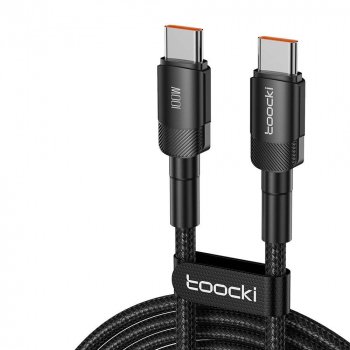
To make follow-through easier, remove friction points—like dead devices mid-walk or mid-gym session. A small practical add-on is the 100W USB-C to USB-C Fast Charging Cable with PD 3.0 & QC 4.0 – 5A Power for quickly topping up a phone, watch, or headphones before training.
Evidence-based references (optional reading)
- CDC — Physical Activity Basics
- American College of Sports Medicine — Exercise Preparticipation Health Screening
- NHS — Exercise for depression
FAQ
What should I do in the gym after a long break?
Start with 2–3 full-body sessions per week, use light-to-moderate loads, and focus on movement patterns with controlled reps and longer warm-ups. Leave 1–2 reps in reserve and prioritize consistent weeks over intense workouts for the first 3–4 weeks.
How to start exercising again after depression?
Use a minimum viable session (like a short walk plus a few minutes of mobility) and attach it to a predictable cue such as the same time of day. Keep intensity gentle, aim for small wins, and seek professional support if symptoms are severe or safety is a concern.
How to get back into exercise after depression
Build momentum with walking and light strength, add social/accountability when it helps, and track mood and energy so you can adjust effort. Avoid all-or-nothing bursts that lead to crashes; steady, repeatable sessions tend to be more sustainable.











Leave a comment