


Professional Bypass Pruning Shears: Clean Cuts Made Easy
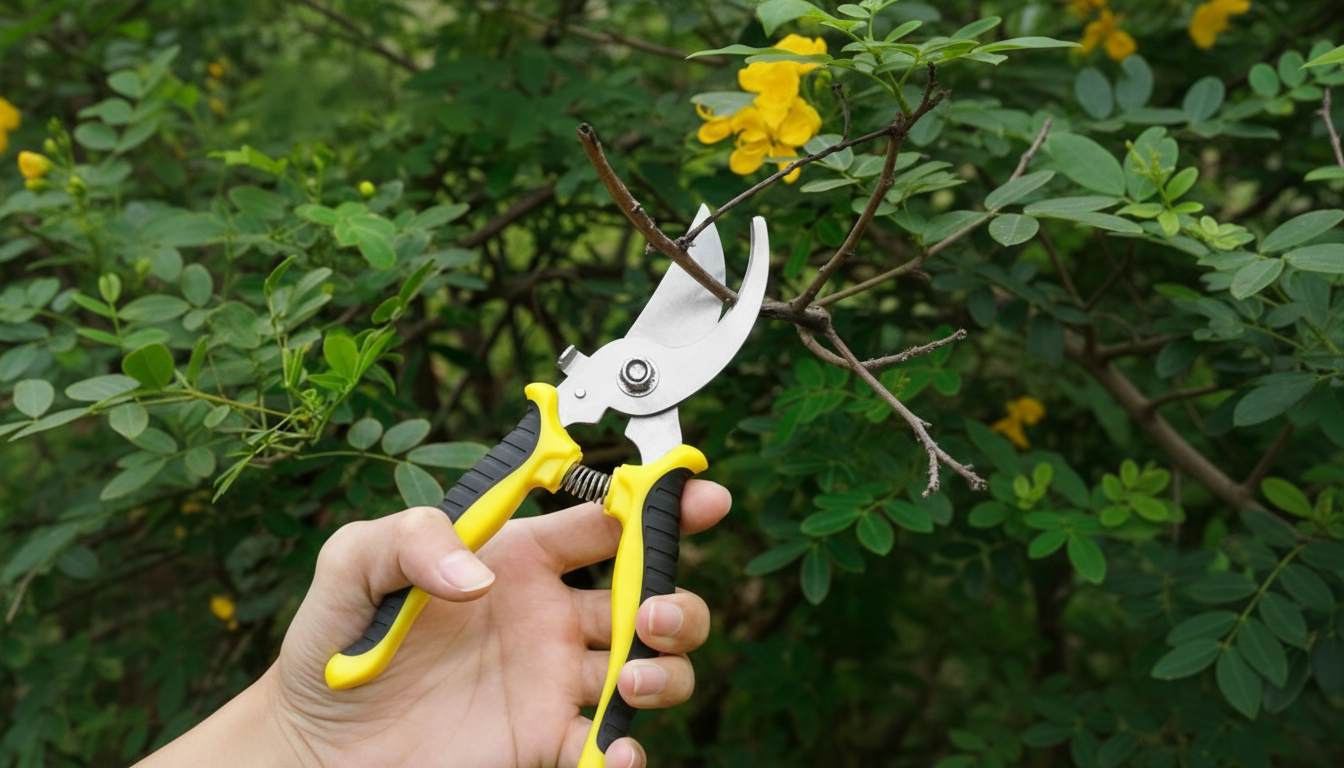
Professional Bypass Pruning Shears for Clean, Healthy Cuts
Bypass pruning shears are built to slice stems cleanly with a scissor-like action, helping reduce crushing and stress on living plant tissue. A dependable pair makes everyday trimming faster, neater, and easier on your hands—especially when you’re deadheading blooms, shaping shrubs, or harvesting herbs. Below is a practical guide to how bypass shears work, where they shine, what features matter most, and the simple habits that keep them cutting smoothly season after season. For more guidance, see Pruning shears.
What Makes Bypass Shears Different
Bypass shears use two sharpened blades that pass each other like scissors. That sliding motion creates a clean slice through green, living stems rather than compressing them. For further reading, see What are the best hand pruners.
- Two sharpened blades pass each other like scissors, producing a clean cut on green, living stems.
- Cleaner cuts can help plants heal faster compared with tools that crush or tear tissue.
- Best suited for routine garden pruning: flowers, herbs, shrubs, vines, and small branches.
For general pruning guidance and plant-specific timing, you can also reference trusted resources like the Royal Horticultural Society pruning guides or the Oregon State University Extension pruning basics.
Where They Work Best (and When to Switch Tools)
Bypass shears are the go-to for precise, controlled snips. They’re ideal for living growth where you want a smooth cut surface and minimal bruising.
- Ideal jobs: deadheading, shaping shrubs, harvesting herbs, thinning soft growth, and trimming small stems.
- For thicker or woody branches, switch to loppers or a pruning saw to avoid forcing the blades and stressing the pivot.
- If cuts look ragged, sap is building up, or stems are being pinched, it’s time to clean and sharpen before continuing.
| Task | Best tool | Why |
|---|---|---|
| Deadheading flowers | Bypass shears | Precise, clean snips close to the stem |
| Shaping green shrubs | Bypass shears | Scissor action reduces crushing on live tissue |
| Removing thicker branches | Loppers or pruning saw | More leverage and safer cutting power |
| Dry, dead wood cleanup | Anvil pruners or saw | Dead material can tolerate more compression |
Key Features to Look For in a Professional-Grade Pair
The best bypass pruners feel solid at the pivot, align cleanly at the tip, and stay comfortable over a long session. Prioritize the elements that directly affect cut quality and daily usability.
- Blade material and coating: Quality steel holds an edge longer; coatings can reduce sticking from sap.
- Cutting capacity: Choose a size that matches typical stem thickness in the garden to avoid overloading the tool.
- Ergonomics: Comfortable grip shape and handle length reduce hand fatigue during repetitive pruning.
- Lock and spring: A secure safety lock and reliable spring action support faster, safer work.
- Serviceability: Replaceable spring or blades (when available) can extend the working life of the shears.
Small details add up: a lock that’s easy to flip with one hand, a spring that doesn’t bind, and handles that stay grippy when you’re working early-morning dew or rinsing sap off mid-job.
How to Use Bypass Shears for Cleaner Cuts
Even a sharp tool can leave poor results if it’s positioned incorrectly. A few technique tweaks help you get smoother cuts and reduce damage to the stem that remains.
- Mind the blade orientation: Position the blade so the cutting edge is on the part of the plant being kept; this helps avoid bruising the remaining stem.
- Use the right angle: Make cuts at an appropriate angle for the plant type (commonly slightly angled above a bud for many shrubs).
- Let the blades slice: Avoid twisting while cutting; let the blades move straight through for the cleanest result.
- Prune in stages: On dense shrubs, remove a little at a time to maintain shape and reduce accidental overcutting.
If you’re working in tight spaces—like between rose canes or crowded houseplants—use the narrowest part of the blades for precision, and avoid “nibbling” thick stems that are beyond the tool’s comfortable capacity.
Care and Maintenance That Extends Tool Life
Most pruning shear problems come down to buildup, friction, and neglected edges. A simple routine keeps cuts crisp and reduces hand effort.
Product Spotlight: Professional Bypass Pruning Shears
Professional Bypass Pruning Shears are designed for everyday trimming where clean cuts and control matter most. They’re a practical choice for home gardens, houseplants, and light landscape maintenance—especially for green stems where the scissor-like bypass action helps reduce crushing.
| Item | Details |
|---|---|
| Product | Professional Bypass Pruning Shears |
| Price | 4.01 USD |
| Availability | In stock |
| Product page | https://splendena.com/professional-bypass-pruning-shears/ |
More In-Stock Picks
- Naturally Awake: Puffy Eye Solutions – Natural Remedies for Puffy Eyes Guide
- Little Angel 28cm Fashion Doll with Mechanical Joint Body
FAQ
What is the best brand of pruning shears?
No single brand is “best” for everyone; compare edge retention, comfort in your hand, lock/spring reliability, parts availability, warranty support, and real-world durability. The right choice is the one that fits your grip and matches your typical pruning workload without hand strain.
What’s the difference between pruning shears and bypass pruning shears?
“Pruning shears” is a general category, while bypass pruning shears are a specific type with two blades that slide past each other for clean cuts on live growth. Anvil-style pruners press a blade into a flat surface, which can crush softer stems and is often better suited to dead wood.
What pruning shears do professionals use?
Professionals often choose durable steel blades that hold an edge, comfortable grips for long sessions, a dependable lock and spring, and designs that are easy to clean and maintain. Bypass styles are commonly preferred for live plant work because they can leave cleaner cuts.










Leave a comment