


Parent Anxiety Calm Toolkit: 2–5 Minute Coping Tools
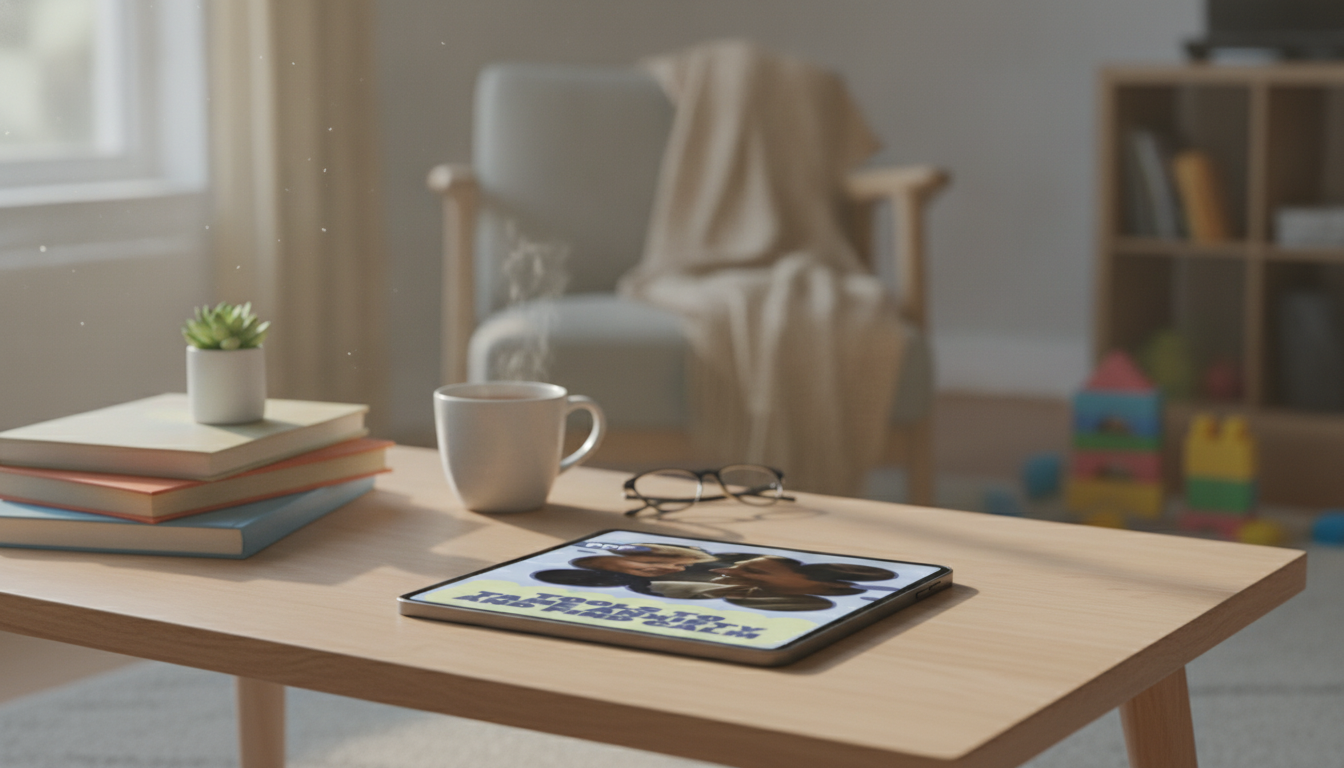
Tools to Tame Anxiety and Find Calm: A Practical eBook for Parents
Parenting anxiety can show up as constant “what if” thoughts, tight shoulders, irritability, trouble sleeping, or a feeling of always being on alert. Calm rarely comes from forcing worries away; it comes from learning skills that settle the body, steady the mind, and support consistent choices during stressful moments. This guide walks through practical, parent-friendly tools you can use in real time, plus simple ways to practice them so they’re easier to access on a hard day.
If you’re looking for a structured, day-by-day approach, Tools to Tame Anxiety and Find Calm – A Practical eBook for Parents | Parenting Anxiety Coping Tools Guide offers short exercises designed to fit into the margins of family life.
What parenting anxiety can look like (and why it’s so common)
Parenting anxiety isn’t always obvious panic. Often it’s a constant hum in the background: racing thoughts, reassurance-seeking, checking behaviors, avoidance, snapping at family, or difficulty relaxing even during “down time.” You might notice your mind scanning for problems, even when things are going fine.
Some common stressors amplify anxiety: sleep deprivation, decision overload, social media comparison, past experiences, and uncertainty about a child’s wellbeing. When your nervous system is already taxed, even small tasks (packing lunches, reading school emails, handling a sibling conflict) can feel high-stakes.
Anxiety is sometimes helpful—it can be a protective signal that prompts planning and care. It becomes harmful when it drives rigid routines, constant monitoring, or chronic tension that doesn’t turn off. A quick self-check can help: identify your top triggers (mornings, school communication, health worries, bedtime), then notice how your body reacts (chest tightness, stomach knots, jaw clenching). That body reaction is often the first clue that your system needs regulation before problem-solving.
For a deeper overview of how stress affects the body, the American Psychological Association has a helpful explainer that connects physical symptoms with stress responses.
A calm plan for the moment anxiety spikes
When anxiety surges, your brain is more likely to treat thoughts as facts. A short, repeatable “spike plan” reduces escalation and keeps you oriented toward what matters most.
1) Name what’s happening
Try labeling it: “This is anxiety, not danger.” Naming the experience creates a small but meaningful distance from the thought and reduces the urge to react impulsively.
2) Ground the body first
Use slow exhale breathing (make the exhale longer than the inhale), unclench your jaw, drop your shoulders, and soften your hands. These small shifts send a “less threat” message to the nervous system.
3) Orient to safety
Look around and identify five things that confirm the present moment is okay: colors, textures, sounds, stable objects, or familiar details. This counters the mind’s tendency to time-travel into worst-case scenarios.
4) Reduce the immediate load
Choose one small next step: drink water, step outside for two minutes, send one message, or set a 10-minute timer to focus on a single task. When anxiety is high, smaller is smarter.
5) Use a short script for spirals
Keep one sentence ready: “This is uncomfortable, not unsafe. I can take one step at a time.” Repetition matters—especially when your brain wants certainty you can’t realistically get.
Everyday coping tools that build steadier calm over time
Big breakthroughs are nice, but parenting calm is usually built through small resets repeated often. These are the kinds of tools that keep stress from stacking all day until you’re running on fumes by bedtime.
Micro-regulation habits (60–90 seconds)
Thought tools that reduce rumination
Boundaries that protect your nervous system
Connection practices
Fuel basics
For supportive, practical self-care that can complement calming routines (especially when stress shows up on your face and sleep has been thin), consider Naturally Awake: Puffy Eye Solutions – Natural Remedies for Puffy Eyes Guide as an easy add-on to a morning or evening reset.
A simple toolkit: match the tool to the situation
Quick coping tools for common parenting anxiety moments
| Situation | What anxiety might say | Tool to try (2–5 minutes) | Small next action |
|---|---|---|---|
| Waiting for a school/doctor update | “Something is wrong.” | 4-6 breathing + grounding (5-4-3-2-1 senses) | Write 1 question to ask; pause checking for 15 minutes |
| Bedtime spirals about tomorrow | “I won’t cope.” | Brain-dump list + pick one “good enough” priority | Set out one item for morning; lights out |
| Child is upset in public | “Everyone is judging me.” | Drop shoulders, slow exhale, compassionate self-talk | Focus on child’s needs; step aside to a quieter spot |
| Health worries after symptoms | “I must act now.” | Timed reassurance rule: wait 10 minutes while breathing | Call a professional line if needed; avoid repeated searches |
| Overwhelm from mess/noise | “I’m failing.” | 2-minute reset: tidy one surface + sip water | Choose one doable task; ask for help or delegate |
How to calm parental anxiety when it keeps returning
The National Institute of Mental Health provides an overview of anxiety disorders and common treatments, and the American Academy of Pediatrics offers family-focused mental health and wellness resources.
Tools to Tame Anxiety and Find Calm: a practical eBook for parents
For real-life parenting stress, a short, structured guide can make practice feel doable instead of overwhelming. Tools to Tame Anxiety and Find Calm – A Practical eBook for Parents | Parenting Anxiety Coping Tools Guide is built around skills you can use in minutes—especially helpful for rumination, overwhelm, irritability, and persistent “what if” thoughts.
When extra help is important
FAQ
How to calm parental anxiety?
Start with the body: slow exhale breathing, relax shoulders and jaw, and ground with your senses. Then name the worry, choose one small next step, and reduce reassurance loops by setting check-in limits. Daily micro-calming habits make these tools easier to access under stress.












Leave a comment