


Money Stress & Mental Health: Calm, Clear Next Steps

Money pressure can quietly shape mood, sleep, relationships, and decision-making. When finances feel uncertain, the brain often shifts into threat mode—making it harder to plan, focus, and feel calm. The goal isn’t to “feel positive” about money overnight; it’s to reduce surprises, create small pockets of control, and rebuild mental clarity one repeatable step at a time.
Why money problems feel bigger than money
Financial uncertainty doesn’t land in the mind as a simple math problem. It often registers as risk—an ongoing “something could go wrong” signal. That state can amplify worry loops, irritability, and a sense of being behind no matter how hard you try.
On top of that, money stress increases cognitive load. When bills, debt, or irregular income require constant monitoring, attention gets pulled away from work, family, rest, and self-care. Avoidance can feel like relief in the moment (not opening statements, not checking balances), but it usually increases anxiety later by letting unknowns grow. Shame and comparison can also intensify stress, making it harder to ask for support or make clean decisions.
How financial stress shows up in the body and mind
Financial stress is a whole-body experience. It can show up as disrupted sleep—trouble falling asleep, waking early, or racing thoughts at night. Mood can shift too: anxiety spikes, low mood, hopelessness, or anger during money conversations.
Decision fatigue is another common sign. Some people swing toward impulsive spending for quick comfort, while others freeze and procrastinate on important tasks. Relationships may feel strained through conflict about priorities, secrecy, or feeling emotionally unavailable. Physical symptoms are common as well: headaches, stomach issues, muscle tension, or a persistently elevated heart rate.
For broader context on how stress affects daily life, see the American Psychological Association’s resources on stress and the National Institute of Mental Health guide to caring for your mental health.
A simple framework: stabilize, see clearly, then optimize
When money stress is high, complex plans often backfire. A calmer approach is to move through three phases: stabilize first, then get clarity, then optimize only what matters most.
| Phase | Goal | First small action | Common obstacle | Workaround |
|---|---|---|---|---|
| Stabilize | Lower day-to-day anxiety | List next 14 days of due dates and minimums | Avoidance | Set a 10-minute timer; stop when it ends |
| See clearly | Replace guessing with facts | Track spending for 7 days (no judgment) | All-or-nothing thinking | Aim for “good enough” categories |
| Optimize | Reduce chronic stressors | Pick one priority: debt plan or emergency fund | Too many goals | Choose the one that improves sleep fastest |
Phase 1: Stabilize
Stabilizing means preventing surprises. Identify what must be paid in the next two weeks, confirm minimums, and create a tiny buffer if possible. The win here is less panic—not perfection.
Phase 2: See clearly
Clarity reduces the mental effort of guessing. A simple snapshot of cash flow and obligations gives the brain a map. If tracking feels overwhelming, narrow it: seven days is enough to spot patterns.
Phase 3: Optimize
Optimization is choosing one or two targeted changes that cut stress the most (often debt, one spending category, or a simple system like automation). More goals can mean more pressure, so keep it deliberately small.
Stress-reducing money habits that work even when motivation is low
Motivation is unreliable during stress. Systems are more dependable. These habits are designed to be small enough to do on rough weeks and useful enough to matter.
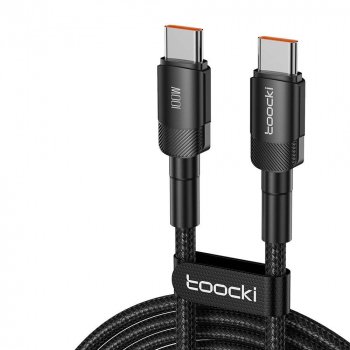
If irregular charging or a dying phone battery makes it harder to keep up with budgeting apps, reminders, or online bill pay, a small reliability upgrade can remove friction. A practical option is the 100W USB-C to USB-C Fast Charging Cable with PD 3.0 & QC 4.0 – 5A Power.
Debt, anxiety, and the fastest path to relief
For additional tools on building financial well-being, the Consumer Financial Protection Bureau’s financial well-being resources can be a helpful reference.
Mental clarity tools for money triggers
Sleep is a major amplifier: when rest is poor, everything feels more urgent. If comfort is part of your wind-down routine (especially when traveling or sharing space), the Cotton Sleeping Bag Liner can support a more consistent sleep setup, which indirectly helps decision-making and emotional regulation.
A practical guide designed for calm, clear next steps
If you want a structured, low-overwhelm approach you can follow without constantly reinventing the plan, consider Connection Between Your Finances and Your Mental Health: A Practical Guide to Money, Mental Clarity & Stress Reduction. It’s designed to reduce avoidance, build consistent check-ins, and turn “I should deal with this” into a simple routine you can actually repeat.
FAQ
How does financial stress affect your health
Financial stress can keep the body in a prolonged stress-response state, which may disrupt sleep, affect mood, raise tension in the body, and make it harder to focus or make decisions. It can also strain relationships and increase unhealthy coping behaviors. If stress feels persistent, severe, or impacts daily functioning, consider reaching out to a mental health professional for support.
What is the simplest first step to reduce money anxiety
Do a 10-minute check-in: list the next 14 days of due dates and minimum payments, then take one small action (set autopay for one bill or move even $10 into a buffer). The goal is to replace vague worry with one concrete next step.











Leave a comment