Little Angel 28cm Mechanical-Jointed Fashion Doll Guide
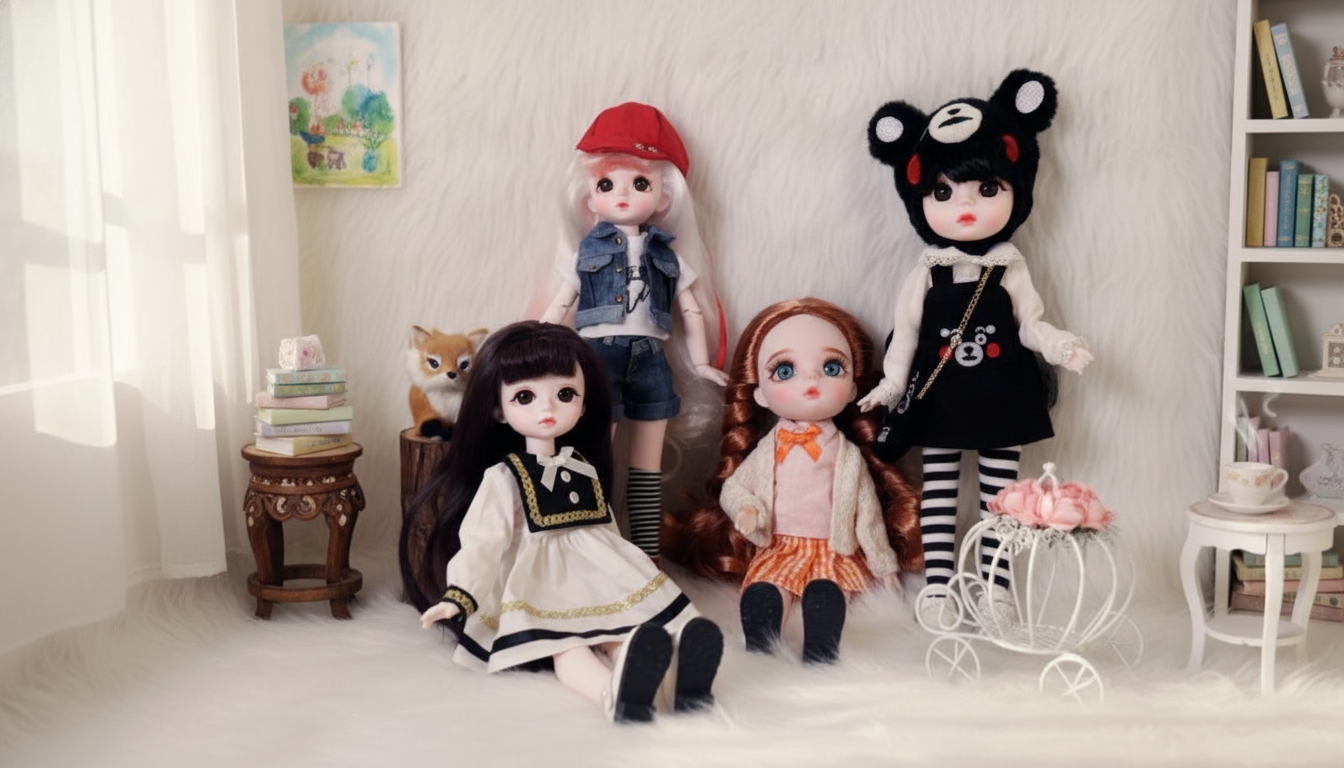
Little Angel 28cm Fashion Doll with Mechanical Joint Body
A 28cm fashion doll with a mechanical joint body is built for flexible posing, quick outfit changes, and imaginative play that looks great on a shelf or in photos. Unlike soft-body dolls, the appeal here is articulation—hands, arms, and legs that can be repositioned for standing scenes, seated setups, and styling sessions. Below is a practical guide to how mechanical joints work, what to check for in build quality, and how to keep the doll looking its best over time.
Quick look at the doll
- 28cm fashion doll size that fits many compact doll stands and display shelves
- Mechanical joint body for adjustable posing and play
- Suitable for collectors who enjoy styling, photography, or poseable display
- Useful as a gift option where articulation matters more than plush/soft-body feel
What “mechanical joint body” means
A “mechanical joint body” generally refers to a system of hinges, pins, and swivels that create clear bend points at key areas like shoulders, elbows, hips, and knees (and sometimes wrists and ankles). Instead of a continuous bend, the movement is guided by the joint’s shape and axis.
- Mechanical joints typically use hinge-and-pin or swivel mechanisms that create defined bend points (commonly at shoulders, elbows, hips, knees, and sometimes wrists/ankles).
- Poses tend to feel stable because joints “click” or hold at certain angles rather than drifting.
- Great for standing poses, seated poses, and holding accessories when paired with a stand.
- Visible joint lines are normal and are part of the articulation system.
Mechanical joints vs ball joints
If you’re comparing dolls for posing, the joint type changes the feel as much as the look. Mechanical joints favor straightforward, repeatable positions, while ball joints often prioritize smooth arcs and more nuanced micro-adjustments.
| Feature | Mechanical jointed dolls | Ball jointed dolls (BJD) |
|---|---|---|
| Joint structure | Hinges/swivels with set bend points | Ball-and-socket connections |
| Pose feel | Defined angles, often stable | Smooth arcs, highly adjustable |
| Best for | Everyday play, basic photography, stable standing/seated poses | Expressive posing, customization, collector display |
| Common trade-off | More visible joint lines and fixed bend limits | Can require more care/tensioning to prevent loosening |
- Mechanical joints often emphasize durability and straightforward posing; ball joints often emphasize smoother, more natural arcs of motion.
- Mechanical systems may have more predictable “stop points,” while ball joints can allow micro-adjustments and more organic angles.
- For kids’ play, mechanical joints can be easier to reposition and may feel sturdier; for advanced posing and customization, ball joints are often preferred.
- Both types can loosen over time; gentle handling and avoiding forced rotation helps extend joint life.
Sizing and compatibility (28cm class)
At 28cm, this doll size lands in a sweet spot: large enough to show styling detail, small enough for desktop photography and compact storage. Compatibility, however, depends on proportions as much as height.
- 28cm height typically works well with compact stands and small display cases.
- Outfit compatibility depends on body proportions (waist/hip/shoulder width), not only height.
- Shoes and accessories fit varies most at foot size and ankle shape; verify measurements when shopping for extras.
- For photography, 28cm dolls scale nicely with small props and desktop scenes.
Build, materials, and finish to look for
Mechanical joint dolls are handled often—posed, redressed, and repositioned—so small quality details matter. A good finish should look clean up close and feel consistent in the hand.
- Check for even paint application on eyes/lips and clean edges around lashes and brows.
- Hair (rooted or wigged) should be shed-resistant with gentle brushing; avoid high heat unless material is confirmed heat-safe.
- Joint tightness matters: too loose can’t hold poses; too tight can stress pegs—aim for smooth resistance.
- Surface feel should be free of sticky residue; if present, wipe gently with mild soap and water and air dry fully.
For general toy safety guidance—especially if the doll is for a child—review recommendations from the U.S. Consumer Product Safety Commission (CPSC) and the overview of ASTM F963 toy safety standards.
Posing and play tips for mechanical joints
Mechanical joints are designed to move in specific directions. The easiest way to avoid stress marks or looseness is to move slowly, follow the intended axis, and avoid forcing a joint past its natural stop.
- Move joints one at a time and avoid twisting a hinge joint beyond its intended axis.
- For seated poses, bend hips first, then knees; for arm poses, rotate shoulder, then bend elbow.
- Use a doll stand for upright display to reduce stress on ankles and improve balance.
- For accessories, choose lightweight items so hands and wrists don’t droop.
Care, storage, and long-term maintenance
A little routine care helps preserve paint, hair, and joint function. The biggest long-term risks are heat/sun exposure, dye transfer from dark fabrics, and leaving joints under tension for extended periods.
Who it’s best for
Product option available now
- Little Angel 28cm Fashion Doll with Mechanical Joint Body (In stock): a compact, poseable fashion doll suited for styling, display, and imaginative play.
- Cotton Sleeping Bag Liner (In stock): a breathable fabric option that can double as a gentle wrap for storage or travel to help reduce scuffs and dust.
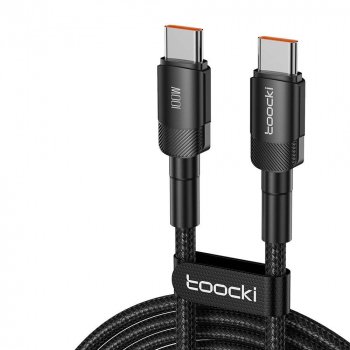
- 100W USB-C to USB-C Fast Charging Cable with PD 3.0 & QC 4.0 – 5A Power (In stock): useful for powering or charging compatible lights or accessories for tabletop doll photography setups.
FAQ
What is the difference between ball jointed and mechanical jointed dolls?
Mechanical jointed dolls use hinge-and-swivel style joints with defined bend points that tend to hold stable angles, while ball jointed dolls use ball-and-socket connections for smoother arcs and finer adjustments. Mechanical joints usually feel more straightforward and sturdy for everyday posing, while ball joints are often favored for expressive posing and customization but may need more careful maintenance over time.










Leave a comment