Irregular Wall Mirror Styling & Hanging Tips for Modern Rooms
Wall-Mounted Irregular Decorative Mirror: Sculptural Shine for Modern Walls
An irregular wall mirror turns a practical everyday object into a focal point—softening straight lines, bouncing light into darker corners, and adding an art-like silhouette. The right piece can feel like functional sculpture: it brightens a space, adds depth, and gives a room a more curated finish without adding clutter. Below are the best places to use an organic-shaped mirror, styling ideas that keep the look intentional, and the hanging and care basics that help it stay secure and crystal-clear for years.
What Makes an Irregular Mirror Different
Unlike standard rectangles and circles, an irregular mirror introduces movement. That organic outline can make a space feel more relaxed and layered—especially in homes filled with clean lines and right angles.
- Organic, asymmetrical outline: Adds visual flow compared with predictable shapes.
- Functional decor: Still perfect for quick outfit checks, but with a statement-making silhouette.
- Works across styles: Particularly strong in contemporary, minimalist, and eclectic rooms where one sculptural element can anchor a vignette.
- Breaks up rigid layouts: Helps soften grid shelving, tiled walls, or symmetrical gallery walls without turning the wall busy.
Where It Looks Best at Home
Irregular mirrors look best when they have a little “breathing room” so the outline reads clearly. Think of them as wall art that also reflects.
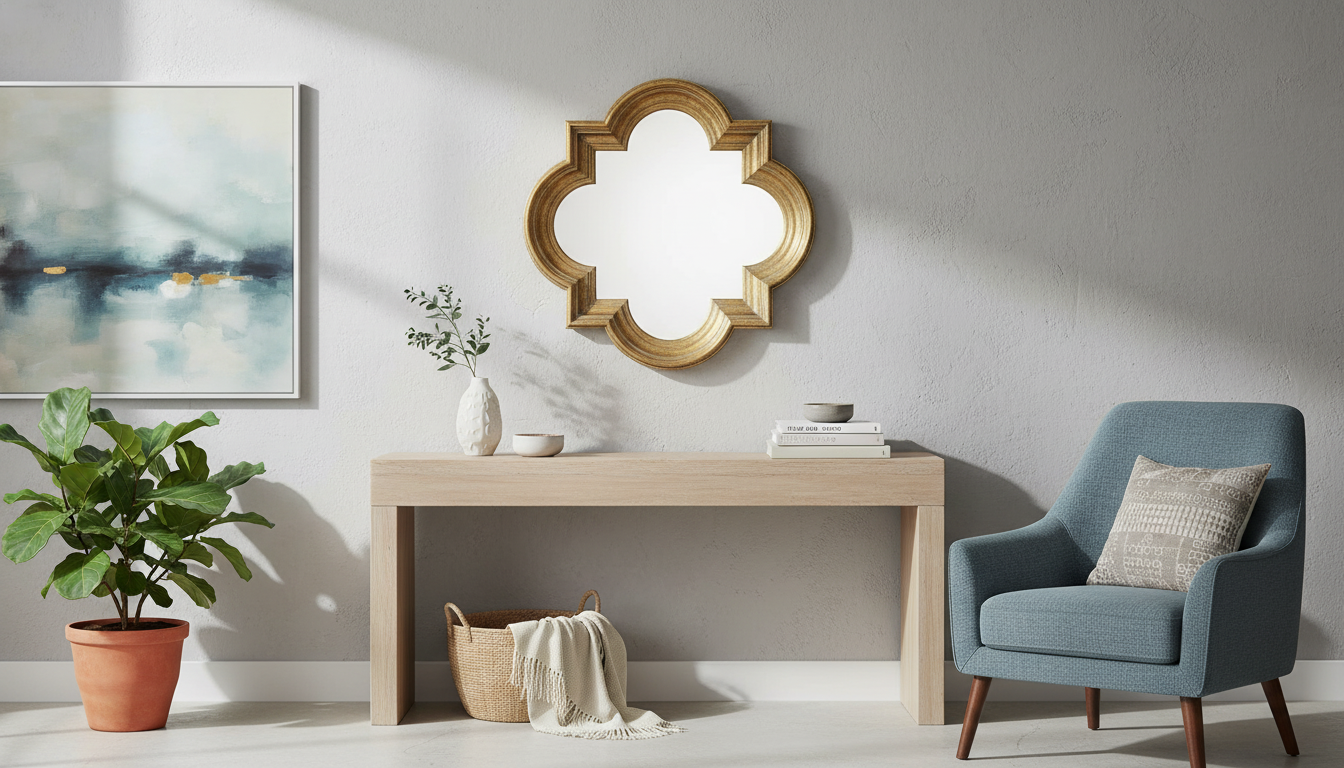
- Entryway: Hang at eye level near a console to reflect light and set a welcoming tone the moment you walk in.
- Living room: Place above a sideboard, mantel, or sofa—leave enough negative space around it so the shape stands out.
- Bedroom: Hang near a dresser for daily use, or use it as an art alternative above a nightstand grouping.
- Hallway: An irregular mirror can visually widen narrow corridors by adding depth and a reflected view.
- Bathroom (with ventilation): Works beautifully as a decorative accent. If the asymmetry makes face-centered reflection awkward, use it as a secondary mirror rather than the primary vanity mirror.
Styling Ideas That Make the Shape Pop
The goal is to highlight the mirror’s outline rather than compete with it. A few simple choices can make an irregular mirror feel intentional and elevated.
Placement and Hanging Basics
- Find the right height: In most rooms, place the center near average eye level. Above furniture, leave a comfortable gap so the mirror doesn’t feel cramped.
- Choose the right anchor: Drywall alone may not be enough for heavier decor. Use a stud when possible, or choose wall anchors rated for your wall type and the mirror’s weight (helpful guidance: This Old House—How to Choose the Right Wall Anchor).
- Check level and spacing: Use a level, then step back several feet to confirm the shape feels balanced to the room—even if it’s technically level.
- Avoid harsh glare: Aim for pleasant reflections of windows or lamps, not direct beams into seated sightlines or TV screens.
- Safety first: Re-check mounts periodically, especially in high-traffic areas. For broader home safety habits around securing items, see the Consumer Product Safety Commission (CPSC) Anchor It! guidance.
Care and Cleaning for a Clear Reflection
For a quick primer on how mirrors work and why placement affects what they amplify, reference Encyclopaedia Britannica—Mirror.
Quick Reference: What to Look For Before Buying
| Factor | Why it matters | Simple rule of thumb |
|---|---|---|
| Overall size | Sets the visual weight on the wall | Above furniture, aim for roughly 1/2 to 2/3 the furniture width |
| Mounting hardware | Determines security and ease of install | Prefer stud mounting or rated anchors for the mirror’s weight |
| Placement height | Affects usefulness and composition | Center near eye level; above consoles, leave a comfortable gap |
| Reflections | Controls brightness and what becomes highlighted | Angle/position to reflect windows or art, not clutter |
| Maintenance needs | Keeps the mirror looking crisp | Microfiber cloth + gentle cleaner; avoid moisture at edges |
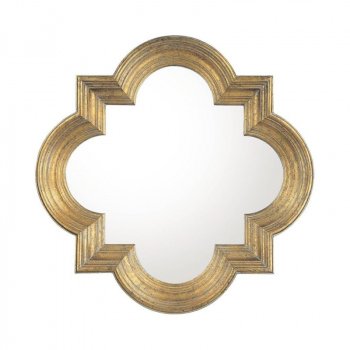
Featured Piece: Wall-Mounted Irregular Decorative Mirror
If the goal is an art-forward statement that still works for everyday routines, the Wall-Mounted Irregular Decorative Mirror delivers an organic silhouette with a clean reflective surface that suits modern interiors. It’s especially effective as a focal point in an entryway or living room where the outline can stand out against a calm wall.
Small Add-On for a Cleaner Console Setup
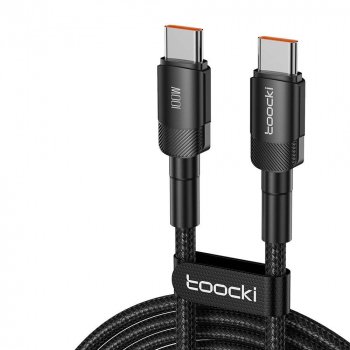
If the mirror is going above an entry console that doubles as a charging station, tidier cabling helps the reflection stay calm (mirrors love to highlight clutter). A simple upgrade like the 100W USB-C to USB-C Fast Charging Cable with PD 3.0 & QC 4.0 – 5A Power can keep everyday charging streamlined and reduce the temptation to drape multiple cords across the surface below.
FAQ
How high should an irregular wall mirror be hung?
In most rooms, hang it so the mirror’s center sits around average eye level. If it’s going above furniture, leave a comfortable gap above the surface, then step back and adjust slightly—an asymmetrical outline can look higher or lower than the tape measure suggests.
Can an irregular decorative mirror make a room look bigger?
Yes—mirrors increase the sense of space by reflecting light and views, which adds depth. For the biggest effect, place it where it can reflect a window or bright area, and avoid positioning it to reflect clutter; larger mirrors tend to amplify the effect more.
What’s the safest way to mount a wall mirror on drywall?
Whenever possible, mount into studs; if that isn’t possible, use drywall anchors that are rated for the mirror’s weight and suitable for your wall type. Make sure the hardware is level and tight, follow the included instructions carefully, and re-check the mounting periodically.







Leave a comment