
Indoor Cat Exercise Checklist Bundle: 3-in-1 Play Plan
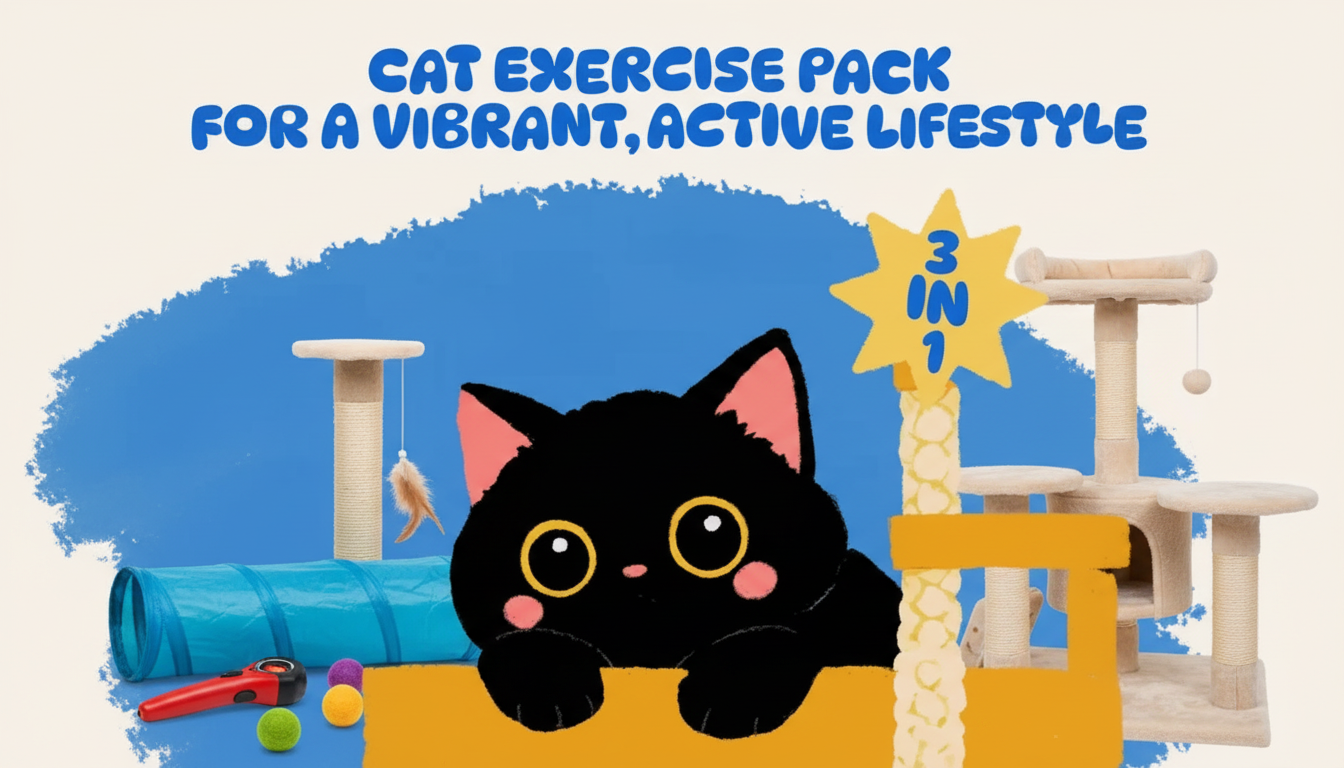
Cat Exercise Pack for a Vibrant, Active Lifestyle – 3-in-1 Bundle of Cat Exercise Checklists
Daily movement helps many cats stay lean, calm, and engaged—especially indoor cats who may not get natural bursts of hunting and climbing. A checklist-based routine makes it easier to rotate activities, track what a cat actually enjoys, and build consistent play habits without guessing what to do next.
Why structured exercise matters for indoor and busy-day cats
Indoor life can be safe and cozy, but it often removes the “micro-workouts” cats would normally get from stalking, climbing, and exploring. A simple structure (without making play feel rigid) helps turn good intentions into a repeatable habit.
- Supports healthy weight by increasing daily energy expenditure in short, repeatable bursts.
- Reduces boredom-driven behaviors (excessive meowing, scratching, nighttime zoomies) by meeting play and hunting needs.
- Improves mobility and confidence through climbing, jumping, and balance activities adapted to age and ability.
- Strengthens the human–cat bond by turning play into a predictable, positive routine.
Veterinary organizations consistently emphasize enrichment and appropriate activity as part of overall feline wellness. For deeper background on feline health and behavior, visit the Cornell Feline Health Center and the ASPCA Cat Care resources.
What’s inside the 3-in-1 checklist bundle
Cat Exercise Pack for a Vibrant, Active Lifestyle – 3-in-1 Bundle of Cat Exercise Checklists is built for real households: limited time, varying energy levels, and cats that change their minds about toys. Instead of trying to “invent” play every day, the bundle helps keep options visible and easy to repeat.
- Three coordinated checklists designed to simplify planning, variety, and follow-through.
- Mix-and-match activity options to prevent cats from getting bored with the same toy or game.
- A structured way to note preferences (wand toys vs. chase vs. climbing), energy levels, and best play times.
- Works alongside existing toys and spaces—no major home redesign required.
It’s especially helpful when more than one person shares pet care, since a quick checkmark can prevent missed play sessions (or accidental double-sessions that lead to overstimulation).
How to use the checklists to build a sustainable weekly routine
The goal isn’t a single exhausting “workout.” Most cats do better with short bursts that match their natural hunting rhythm.
- Start with short sessions: aim for multiple 5–10 minute play blocks rather than one long workout.
- Rotate “hunt–catch–eat” style play: finish with a small meal or treat puzzle to complete the cycle.
- Schedule around natural peaks: many cats prefer morning and evening play; adjust for the household rhythm.
- Track what works: note the top 2–3 motivators (feather wand, laser pointer used safely, food puzzles, crinkle balls) and repeat them more often.
- Progress gently: increase intensity by adding jumps, higher climbs, or longer chase paths—especially for cats new to exercise.
Sample week using a checklist rotation
| Day | Primary activity (5–10 min) | Secondary activity (2–5 min) | Simple tracking note |
|---|---|---|---|
| Mon | Wand toy “stalk and pounce” | Treat puzzle | Energy level (low/med/high) |
| Tue | Hallway chase with soft ball | Vertical climbing (cat tree shelves) | Favorite toy today |
| Wed | Target training (sit, touch, follow) | Short fetch attempts | Longest engaged time |
| Thu | Hide-and-seek toy under blanket | Window perch exploration | Triggers boredom? (Y/N) |
| Fri | Interactive laser play with safe finish | Crunchy treat scatter | Cool-down success |
| Sat | Obstacle path (boxes, tunnels) | Scratch-and-stretch station | Mobility notes |
| Sun | Free-choice replay of top activity | Gentle grooming + calm down | Weekly win |
Home setups that boost movement without extra stress
Exercise gets easier when the environment quietly “invites” movement. Small tweaks can encourage sprints, climbs, and investigative play without turning your home into an obstacle course.
- Vertical territory: cat trees, shelves, sturdy furniture steps; encourage climbing and controlled jumping.
- Pathways: keep a clear “run lane” in a hallway or living room to invite short sprints.
- Toy zoning: place a small basket of approved toys where play happens; rotate weekly to keep novelty.
- Food-foraging options: puzzle feeders, treat balls, or scatter feeding to add movement to mealtime.
- Quiet recovery spots: provide a calm perch or bed after play to prevent overstimulation.
Safety and pacing: kittens, adult cats, seniors, and weight-loss plans
Safe play should look enthusiastic, not frantic. Your checklist notes become valuable when they include recovery time and “stop signals,” not just what you did.
For general pet health guidance and when to seek care, the American Veterinary Medical Association (AVMA) is a reliable starting point.
Common obstacles and quick fixes
Who this checklist bundle fits best
Recommended in-stock picks
- Cat Exercise Pack for a Vibrant, Active Lifestyle – 3-in-1 Bundle of Cat Exercise Checklists (In stock)
- Naturally Awake: Puffy Eye Solutions – Natural Remedies for Puffy Eyes Guide (In stock)
FAQ
What is the best way to exercise an indoor cat?
Use short interactive play sessions that mimic hunting (stalk, chase, pounce), add vertical climbing options, and include food puzzles. Aim for multiple 5–10 minute bursts daily, and track favorites so the routine stays consistent.
Is a cat exercise wheel worth it?
It can help some high-energy cats, but many cats prefer interactive wand play, climbing, and foraging. Consider your space, the training time required, and whether your cat seems motivated by running versus stalking.
What exercise equipment is good for indoor cats?
A sturdy cat tree or shelves for climbing, wand toys for interactive chasing, tunnels/boxes for obstacles, and puzzle feeders to add movement at mealtime are strong basics. Rotating items periodically helps keep play sessions interesting.











Leave a comment