


Give Your Dog Medicine Without Stress: Pills & Liquids
Medicine Made Easy for Dogs: A Calm, Practical Plan for Pills and Liquids
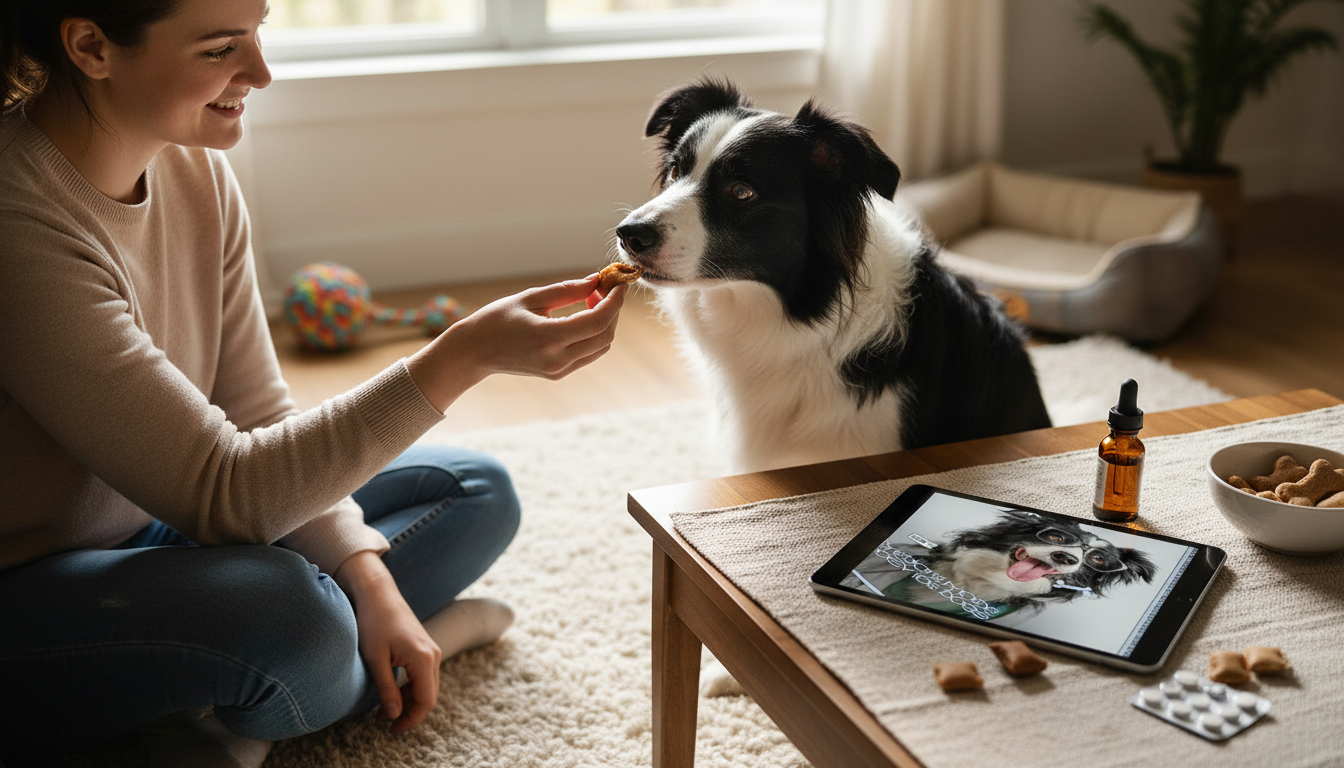
Giving a dog medicine can feel like a daily showdown—especially when you’re worried about doing it wrong or stressing them out. The good news: small handling tweaks, a better set-up, and a clear step-by-step method can turn dosing into a quick, low-drama routine. Below is a practical, safety-first plan for pills, capsules, and liquids, plus what to do when your dog refuses, spits, or gets anxious.
Start with Safety and Set-Up
Before you focus on technique, make sure the basics are correct. Many medication “failures” happen because a dose was unclear, a tablet was altered when it shouldn’t have been, or the dog was already stressed before you even started.
- Confirm the medication name, dose, and timing directly from the label. If anything looks off, call your veterinarian before giving it.
- Ask whether the medicine can be given with food, split, crushed, or opened. Some tablets must stay intact (for example, extended-release or enteric-coated forms).
- Pick a quiet, well-lit spot. Keep sessions brief and calm so your dog doesn’t start anticipating a “medicine battle.”
- Gather supplies first: a few high-value treats, a small towel (optional for wiggly dogs), a pill pocket or soft food (if approved), a marked oral dosing syringe for liquids, and fresh water.
- Wash hands. If the pharmacy label warns against handling (or the medication is irritating), follow that guidance and ask your vet for the safest approach.
Pick the Least Stressful Method First
Start with the easiest option that works reliably. If your dog will happily take a pill in food, there’s usually no need to jump to direct dosing.
Common ways to give dog medicine and when to use them
| Method | Best for | Pros | Watch-outs |
|---|---|---|---|
| Hidden in a small food bite | Most pills/capsules when allowed with food | Fast, low handling, minimal stress | Dog may chew and detect taste; confirm the full dose was swallowed |
| Pill pocket or wrapped treat | Dogs that like treats and swallow quickly | Convenient, consistent portions | Some dogs learn to eat around the pill; check ingredients if allergies |
| Direct pill to the back of the tongue | Refusers, time-sensitive meds | Most reliable when done correctly | Needs gentle restraint; avoid getting bitten; follow with water or treat |
| Liquid by oral syringe (cheek pouch) | Liquids, compounded meds, small dogs | Precise dosing; good for dogs that won’t swallow pills | Risk of aspiration if squirted too fast; measure carefully |
| Crushed/opened and mixed (only if approved) | Some meds with strong odor/taste tolerated in food | May improve acceptance | Not safe for all meds; can reduce effectiveness or irritate the mouth |
- For suspicious dogs, rotate flavors and textures (soft food, a tiny meatball, cheese, or an approved commercial pill pocket).
- Keep treat portions small to avoid stomach upset and to ensure the entire dose is consumed.
- Pair the process with a consistent cue (“medicine time”) and an immediate reward so cooperation grows over time.
- If your dog has a history of fear, snapping, or panic during dosing, prioritize safety: use a leash, a helper, and consider muzzle conditioning with a professional. Ask your veterinarian for a tailored plan.
How to Give a Pill Without a Battle
Most dogs do best with a “food-first” approach. If that fails, a calm, direct method can be quick and reliable when done gently.
Option 1: The decoy-treat sequence (often the easiest)
- Offer one plain “decoy” treat first.
- Immediately offer the medicated treat (pill fully hidden).
- Follow right away with a final plain treat to encourage fast swallowing.
If you’re using soft food, keep the pill completely covered and use only a small amount so your dog is less likely to chew and notice bitterness.
Option 2: Direct pill placement (calm, controlled, and quick)
- Position your dog facing away from you or standing side-on to reduce backing up or dodging.
- With one hand, steady the upper jaw gently. Tilt the nose slightly upward—avoid forcing the head fully back.
- Use your other hand to open the lower jaw and place the pill as far back on the tongue as comfortably possible.
- Close the mouth and hold briefly. Stroke the throat gently, or blow softly on the nose, to trigger swallowing.
- Finish with a reward and a sip of water or a small treat to help the pill go down and reduce the chance of it sticking in the esophagus.
If your dog repeatedly spits pills out, a pill gun (piller) can improve accuracy while keeping fingers safer. If you’re unsure, ask your veterinarian’s team to demonstrate technique.
How to Give Liquid Medicine Safely
Liquid doses can be very effective, but they must be delivered slowly to reduce choking and aspiration risk.
For additional vet-reviewed technique tips, see guidance from FDA Animal & Veterinary and VCA Animal Hospitals.
Troubleshooting: When Dogs Refuse, Spit, or Get Stressed
For deeper safety details on administering oral medications, the Merck Veterinary Manual is a trusted reference.
Make It Easier Next Time: Training and Routine
A Handy Reference You Can Keep Nearby
- Medicine Made Easy for Dogs (digital download) is a quick, practical companion covering pill and liquid steps, troubleshooting, and key safety reminders.
- If you’re building a broader “care routine” library for pet-parent life, Naturally Awake: Puffy Eye Solutions (digital guide) is also available.
FAQ
What is the easiest way to give a dog pills?
Start with the least intrusive option: hide the pill in a small, high-value bite and use a decoy-treat sequence (plain treat → medicated treat → plain treat). If your dog still spits it out, move to calm, direct placement at the back of the tongue or use a pill gun for safer, more reliable dosing.










Leave a comment