

Dr. Martens Women’s Ankle Boots: Fit, Break-In, Care
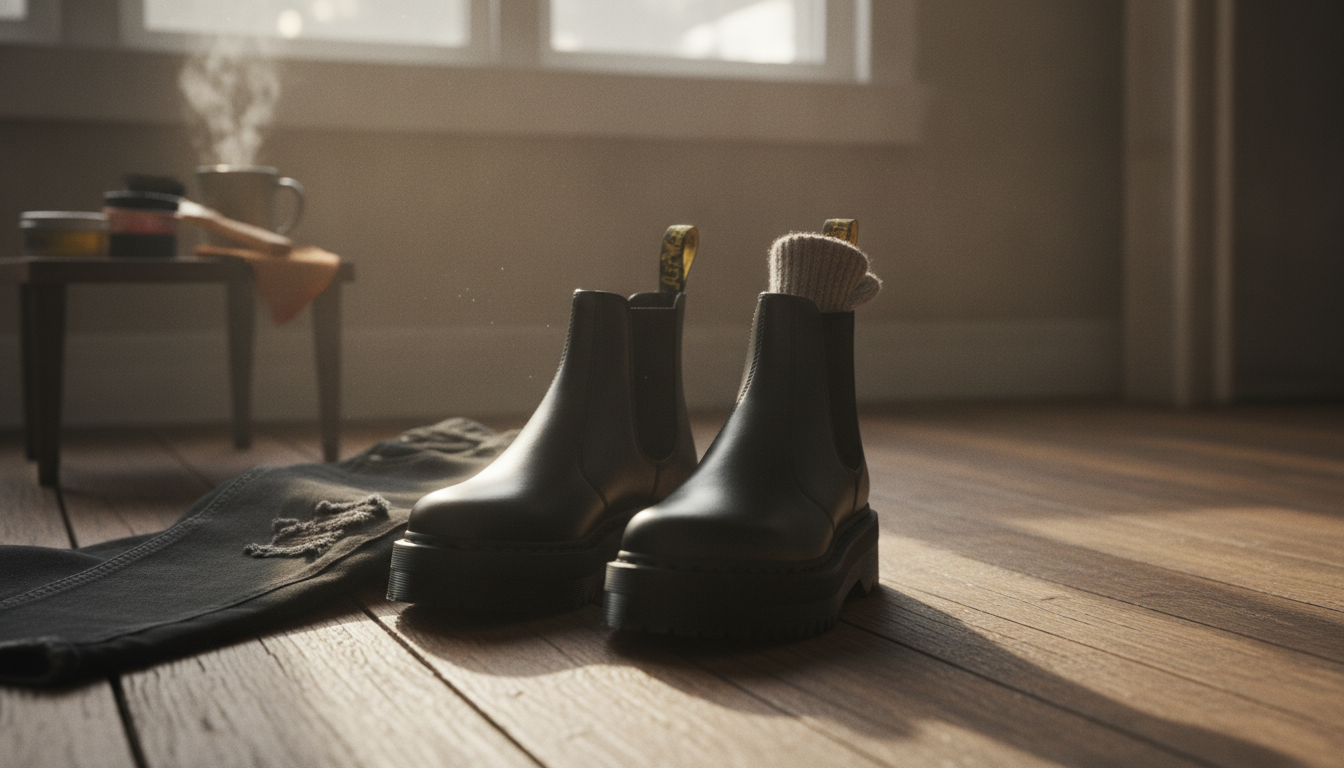
Dr. Martens Women’s Ankle Boots: Fit, Comfort, Styling, and Care
Dr. Martens ankle boots for women are known for their durable construction, distinctive look, and long-wearing comfort once they’re broken in. The first few wears can feel firm, but the payoff is a supportive boot that holds its shape and handles busy days on your feet. Below is a practical guide to fit, comfort, styling, and care—so your pair looks better and feels easier with every season.
What Makes Dr. Martens Ankle Boots Stand Out
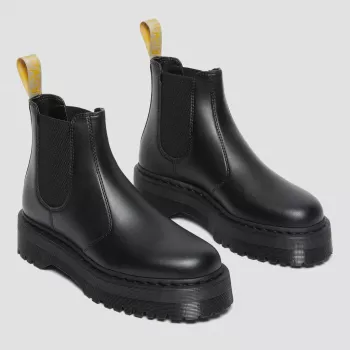
Dr. Martens ankle boots have a recognizable, grounded silhouette: a sturdy sole, a supportive upper, and a shape that stays structured instead of collapsing around the ankle. That built-to-last approach is why they work for daily wear—commutes, city weekends, and travel days that involve long walks and unpredictable weather.
Comfort tends to change over time. New pairs can feel stiff at the heel counter and across the instep, but the leather gradually softens and starts to mold to your foot. Unlike delicate ankle boots that are mostly “for looks,” this style pairs easily with denim, trousers, and dresses without feeling precious, while still looking polished with the right outfit.
For brand-specific guidance on materials and finishes, you can also reference the Dr. Martens Official Site.
Fit and Sizing: Getting the Right Pair
Getting the size right is the difference between a smooth break-in and a frustrating week of hot spots. Aim for a little space at the toe—your toes shouldn’t press into the leather when standing. In the heel, a small amount of lift can be normal early on, but consistent slipping often points to the wrong size or lacing that isn’t locking your heel back.
Width and volume matter just as much as length. If you plan to wear thicker socks (recommended for the first several wears), consider how that changes the overall feel through the instep and forefoot. If you’re between sizes, think about whether you’ll add an insole for extra cushioning; insoles take up volume and can make a borderline-tight pair uncomfortable.
Quick Fit Check Before the First Long Wear
| Area | What to feel | Simple adjustment |
|---|---|---|
| Toes | No pinching; slight wiggle room | Loosen laces across forefoot |
| Instep | Firm but not painful pressure | Skip an eyelet or adjust lacing pattern |
| Heel | Minimal lift while walking | Use heel grips or thicker socks |
| Ankle | Secure without rubbing | Change sock height; ensure tongue is centered |
Comfort and Break-In Without the Blisters
The safest way to break in ankle boots is steady, low-drama repetition. Start with short wears indoors to soften flex points before committing to an all-day outing. For the first week, higher, cushioned socks are your best friend—especially if the collar or heel counter feels rigid.
If you know your usual rub spots (often the back of the heel or the front of the ankle), use targeted protection like blister patches or moleskin. An optional thin insole can add underfoot comfort, but avoid over-stuffing the boot; your foot should still have enough room for normal circulation and natural movement.
Avoid “heat hacks” or soaking leather to force softness. Gradual wear plus light conditioning is easier on the materials and helps preserve the structure. For general foot-health guidance and footwear tips, the American Podiatric Medical Association (APMA) is a helpful resource.
Styling Ideas for Everyday Outfits
Dr. Martens ankle boots have enough visual weight to anchor an outfit, which makes styling straightforward once proportions feel balanced.
- With straight-leg jeans: Cuff or choose a cropped hem so the shaft is visible and fabric doesn’t bunch at the ankle.
- With leggings: Add an oversized blazer, sweater, or long coat to balance the streamlined leg with structure up top.
- With midi skirts and dresses: A jacket adds shape; choose socks or tights based on the season and how much contrast you want at the ankle.
- Workwear approach: Pair with tailored trousers and a crisp shirt; keep accessories minimal to let the boots look intentional, not heavy.
- Cold-weather layering: Wool socks, opaque tights, and a long coat make the boots feel practical while still looking pulled together.
Materials and Care: Leather, Weather, and Soles
City wear is tough on footwear: dust, salt, curb scuffs, and wet sidewalks. A simple routine keeps leather looking richer and prevents premature cracking.
Care Schedule for Regular City Wear
| Task | How often | What it helps |
|---|---|---|
| Wipe down uppers | Weekly (or after wet days) | Prevents grime buildup and staining |
| Condition leather | Every 4–8 weeks | Reduces dryness and creasing |
| Apply protector | Monthly or before rainy periods | Improves water and stain resistance |
| Inspect laces/eyelets/soles | Monthly | Catches wear before it becomes a problem |
Featured Pair: Dr. Martens Women’s Ankle Boots
If you want a sturdy, everyday ankle boot built for casual outfits, commuting, and travel, Dr. Martens Women’s Ankle Boots are a reliable option. They’re especially comfortable once broken in, and they tend to feel smoother faster when paired with thicker socks during the first several wears.
At-a-Glance Details
| Product | Price | Availability |
|---|---|---|
| Dr. Martens Women’s Ankle Boots | $176.51 | In stock |
More In-Stock Finds
- Naturally Awake: Puffy Eye Solutions – Natural Remedies for Puffy Eyes Guide
- Little Angel 28cm Fashion Doll with Mechanical Joint Body
- 125mm F10 Schmidt-Cassegrain Computerized GoTo Astronomical Telescope with StarBright XLT
FAQ
What ankle boots does Kate Middleton wear?
She’s often photographed in classic, understated ankle boots from heritage-leaning brands such as Penelope Chilvers, though the exact pairs can vary by season and appearance. To get a similar look, choose sleek, low-profile ankle boots in neutral leather with a simple sole and minimal hardware.









Leave a comment