
Cotton Sleeping Bag Liner Guide: Comfort, Fit & Care
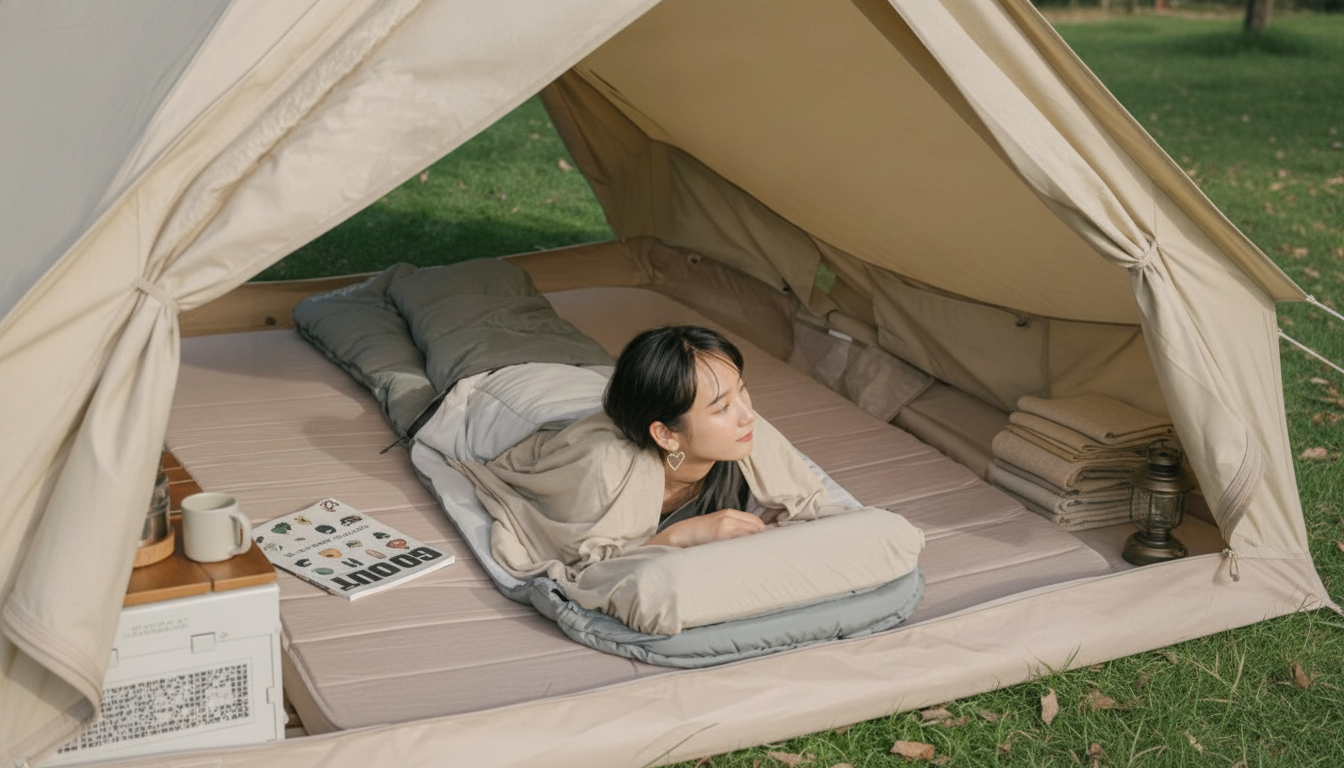
Cotton Sleeping Bag Liner: Comfort, Cleanliness, and Easy Care for Travel and Camping
A cotton sleeping bag liner adds a soft layer between skin and sleeping bag, helping keep gear cleaner while improving comfort for warm-weather camping, hostel stays, and everyday travel. The right shape, size, and fabric weight make the difference between a liner that feels breathable and one that bunches up overnight.
What a cotton sleeping bag liner does
A cotton liner is a simple piece of gear, but it can make nights away from home feel more familiar. It sits between you and your sleeping bag (or bedding), creating a comfortable barrier that’s easy to wash and easy to pack.
- Adds a breathable, skin-friendly layer that can feel less clammy than many synthetics in mild conditions.
- Helps reduce oils, sweat, and sunscreen buildup inside a sleeping bag, extending time between full washes.
- Works as a standalone light sleep layer for hot nights, cabins, hostels, and guest rooms.
- Can slightly boost perceived warmth by reducing drafts and improving comfort, though it is not a replacement for an insulated bag.
For long-term sleeping bag care, it also helps to follow good storage and cleaning habits. REI’s guide on sleeping bag care and maintenance is a solid reference for keeping insulation performing as intended.
Who it’s best for
Cotton liners are popular because they feel familiar against skin and are straightforward to maintain. They’re especially useful when comfort and cleanliness matter more than shaving every ounce from your pack.
- Warm-weather campers who want a cooler, less sticky feel against skin.
- Travelers using shared bedding (hostels, trains, budget hotels) who want a personal barrier layer.
- People with sensitive skin who prefer natural fibers and a softer handfeel.
- Families and casual campers who prioritize simple washing and familiar cotton comfort.
For shared accommodations, general hygiene basics—like keeping sleep items separated from shoes and dirty laundry—can go a long way. The CDC’s healthy travel packing and hygiene basics offer practical reminders.
Cotton vs other liner materials
Choosing a liner material is mostly about feel, dry time, and how you travel. Cotton excels at comfort and ease-of-use, while other fabrics can win on packability or moisture management.
| Material | Feel against skin | Dry time | Best use | Trade-offs |
|---|---|---|---|---|
| Cotton | Soft, familiar | Moderate to slow | Hostels, warm nights, comfort-first | Heavier when wet; bulkier than silk |
| Silk | Smooth, cool | Fast to moderate | Ultralight travel, packing small | Higher cost; more delicate |
| Polyester | Slick to slightly plasticky | Fast | Humid trips, frequent washing | Odor management varies; less natural feel |
| Merino wool | Soft, cozy | Moderate | Variable temps, multi-day use | Cost; can be warmer than desired in heat |
Fit and shape: mummy, rectangular, and roomy cuts
A liner that fits well is more likely to stay put through the night. Matching the liner shape to your sleep setup helps reduce twisting, knee bunching, and shoulder tightness.
- Match liner shape to sleeping bag shape to reduce twisting and bunching at the knees and shoulders.
- Mummy liners: tapered legs; best for backpacking-style mummy bags and reducing excess fabric.
- Rectangular liners: more space for side sleepers; pair well with rectangular bags and blankets.
- Check length and shoulder width; too short pulls at feet, too narrow restricts turning.
- Look for simple closures (pillow pocket, side opening, snap/cord) that reduce nighttime tangles.
If you’re between sizes, sizing up is often more comfortable for active sleepers—especially when you’re using the liner indoors as a sheet-style layer.
Using a cotton liner for cleaner gear
One of the best arguments for a liner is keeping bigger, harder-to-wash items cleaner. Sleeping bags (especially insulated ones) last longer when they aren’t constantly exposed to body oils and residue from lotions or sunscreen.
- Use the liner as the primary washable layer; wash the liner more frequently than the sleeping bag.
- Air out liner and bag daily when possible to reduce odor and moisture buildup.
- In shared accommodations, keep the liner separate from outer clothes to reduce cross-contamination.
- Pair with a lightweight pillowcase or use a liner with a pillow pocket for a more contained sleep setup.
A practical routine is to flip the liner inside out in the morning, give it a quick shake, and let it air in indirect sun or a breezy shaded spot while you eat or break camp.
Care and washing tips (to keep cotton soft)
Cotton is generally low-fuss, but small choices—like water temperature and drying—can keep it soft and help it last longer.
Product spotlight: Cotton Sleeping Bag Liner
Other items available now
- Naturally Awake: Puffy Eye Solutions – Natural Remedies for Puffy Eyes Guide
- 125mm F10 Schmidt-Cassegrain Computerized GoTo Astronomical Telescope with StarBright XLT
- Little Angel 28cm Fashion Doll with Mechanical Joint Body
FAQ
Does a cotton sleeping bag liner make a sleeping bag warmer?
Usually, the warmth boost is modest. A cotton liner can improve comfort and reduce small drafts, but it won’t replace the insulation of a properly rated sleeping bag, especially in cold or windy conditions.
Can a cotton liner be used by itself?
Yes—on hot nights, in cabins, and in hostels it can work like a lightweight sheet. For cold weather, it’s best used inside an insulated bag, and it should be kept dry to stay comfortable.
How often should a sleeping bag liner be washed?
Wash it after each trip, or every few nights in sweaty conditions. Keeping the liner clean can reduce how often you need to wash your sleeping bag—just make sure the liner is fully dry before packing.










Leave a comment