How to Choose Statement Accessories for Any Outfit
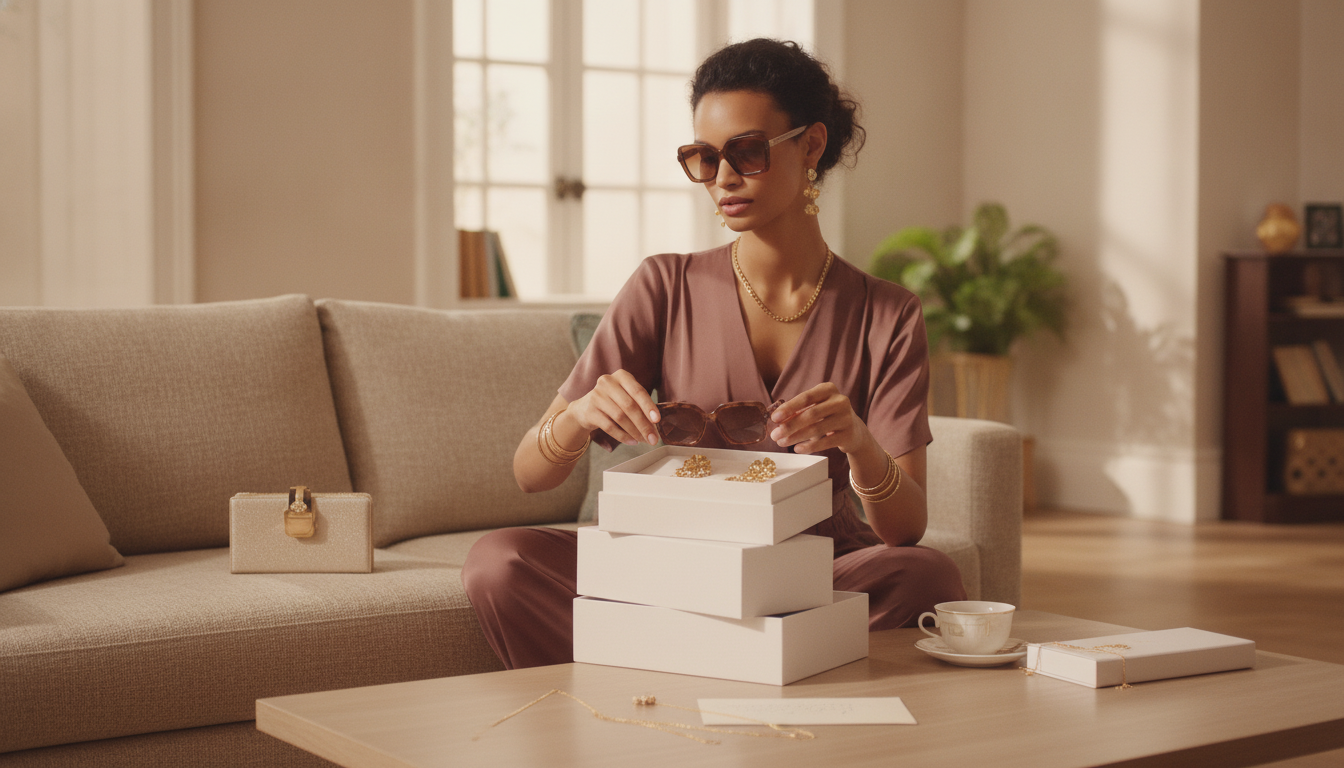
The Art of Choosing Statement Accessories: Picking the Perfect Pieces for Any Outfit
Statement accessories add focus and personality to even the simplest look. The key is choosing one strong “hero” piece, supporting it with intentional details, and balancing scale, color, and occasion so the outfit feels elevated—not overdone.
What Makes an Accessory a Statement Piece
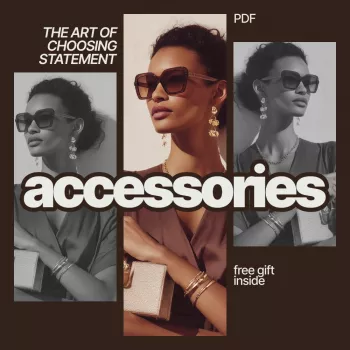
A statement accessory is the focal point—the item your eye lands on first. Think bold earrings, a sculptural bag, a chunky cuff, or a vivid scarf that shifts the energy of an outfit without requiring a full wardrobe change.
- Defines the focal point: the piece that reads first and sets the tone.
- Stands out through one dominant feature: scale, color, shine, texture, movement, or an unusual shape.
- Looks best with support: clean lines, quieter metals, or simplified layers let it shine.
- Can be dramatic or minimal: “statement” is about contrast against the rest of the outfit, not just size.
| Accessory type | Best for | Style effect | Pair with |
|---|---|---|---|
| Oversized earrings | Dinners, events, video calls | Frames the face; instant polish | Sleek hair, simple neckline |
| Bold necklace | Strapless, crew neck, open collars | Adds structure and sparkle | Minimal earrings, solid top |
| Chunky cuff/stacked bangles | Sleeves pushed up, short sleeves | Edgy or artistic finish | Monochrome outfits, neutral nails |
| Statement belt | Blazers, dresses, high-waist trousers | Defines the waist; creates shape | Solid fabrics, clean silhouettes |
| Color-pop bag | Daily wear, travel, brunch | Modern contrast; playful accent | Neutral outfit base, simple shoes |
| Printed scarf | Workdays, transitional weather | Adds pattern and movement | Classic coat, plain sweater |
Start With the Outfit: Silhouette, Neckline, and Fabric
- Match scale to silhouette: streamlined outfits (slip dress, fitted tee, tailored blazer) can carry oversized accessories; heavily detailed clothing generally looks better with more delicate pieces.
- Use neckline as a guide: high necklines favor earrings or cuffs; open collars invite necklaces; V-necks suit pendants or lariats that echo the shape.
- Balance texture: shiny metals pop against matte knits; textured accessories read cleanest against smooth fabrics like poplin, satin, or fine wool.
- Consider pattern density: busy prints often need one clean accessory; solid outfits can handle bolder pattern mixing with a scarf or bag.
If you want a deeper, outfit-by-outfit reference you can revisit while getting dressed, see The Art of Choosing Statement Accessories: A Complete Guide to Picking the Perfect Pieces for Any Outfit.
Choose a Color Strategy That Looks Intentional
- Neutral anchor: black, white, camel, denim, and gray act like a “blank canvas” so one bright accessory does the talking.
- Echo one detail: pull a single color from your shoes, buttons, bag hardware, or a print so the statement feels integrated rather than random.
- Try the “two-color rule”: keep the outfit to two main colors, then add one statement accent for a clean, editorial effect.
- Metal harmony: warm outfits often suit gold; cool palettes often suit silver. Mixing metals looks polished when repeated—two items that share both tones (like a two-tone watch plus earrings) can “connect the dots.”
For inspiration on how designers and stylists use accessories to steer a look, browse seasonal accessory styling at Vogue’s Accessories.
Balance and Proportion: The One-Hero Principle
- Pick one hero category: bold earrings or a bold necklace or a bold bag—avoid stacking multiple heroes at once.
- If the hero is near the face: keep everything else quieter (small rings, subtle bracelet, simple hair accessories) to avoid visual noise.
- If the hero is a bag or shoes: streamline jewelry and let the silhouette carry the rest of the outfit.
- Use symmetry on purpose: symmetrical accessories feel polished; asymmetry feels creative—when you go asymmetrical, keep the rest of the styling clean.
Match the Moment: Work, Weekend, Formal, and Travel
- Work: choose structured pieces (a statement belt, polished hoops, a watch, a structured tote). In conservative settings, avoid pieces with loud movement or excessive sparkle.
- Weekend: experiment with color-pop bags, playful hair accessories, stacked rings, or statement sunglasses—casual outfits often benefit most from one standout piece.
- Formal: elevate with sparkle, refined metals, or sculptural silhouettes. Consider venue lighting: what looks subtle in daylight can read dramatic at night.
- Travel: prioritize comfort and security—lightweight earrings, crossbody bags, and pieces that pack flat without tangling.
For travel days when you want to look refreshed with minimal effort, Naturally Awake: Puffy Eye Solutions – Natural Remedies for Puffy Eyes Guide pairs well with a simple uniform and one signature accessory.
Build a Small Statement Accessories Capsule
If you ever wonder what a term really means (from “cabochon” to “curb chain”), the CFDA Fashion Glossary is a helpful reference when shopping.
Care, Storage, and Keeping Pieces Looking New
For practical, gemstone-specific maintenance, follow trusted recommendations like GIA’s jewelry care guidance.
A Simple Decision Checklist Before Buying
FAQ
How many statement accessories should be worn at once?
One hero piece is usually enough, supported by one or two subtle items (like small studs plus a bold cuff, or a statement necklace with simple hoops). Coordinated sets can work, but keep them cohesive in color and scale so they read intentional rather than busy.
How can statement jewelry be worn with patterned clothing?
Let one pattern dominate, then choose statement jewelry that repeats a single color from the print. Clean shapes and consistent metal tones help avoid visual clutter when the outfit already has a lot going on.
How can mixed metals look polished instead of messy?
Choose one dominant metal and repeat the secondary metal across at least two items (for example, earrings and a ring). A “bridge” piece like a two-tone watch or ring makes mixed metals look deliberate.







Leave a comment