Bus-Shaped Kids Storage Box: Easier Toy & Clothes Cleanup
Playful Storage That Makes Cleanup Easier
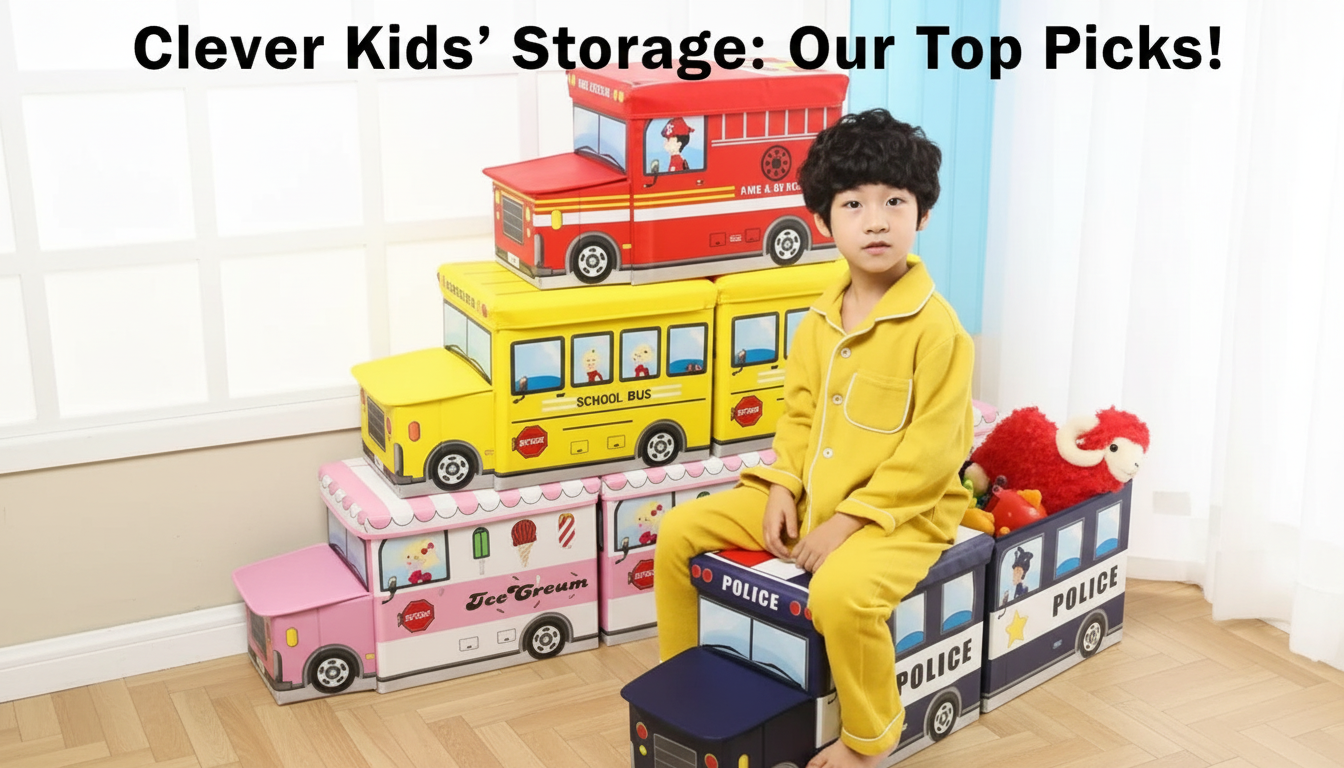
A playful storage box can make cleanup feel less like a chore and more like part of playtime. This cartoon bus–shaped organizer is designed to hold everyday kid essentials—like plushies, blocks, dress-up outfits, and seasonal clothing—while adding a cheerful accent to bedrooms, playrooms, or nurseries. When storage is cute, visible, and easy to use, kids are more likely to treat putting things away as the natural “next step” after playing.
Why a Bus-Shaped Storage Box Works for Kids’ Spaces
Kids respond to familiar shapes and simple routines, and a bus theme naturally supports both. Instead of “clean your room,” the goal becomes “park the toys,” which feels more like play than a task.
- Encourages tidying habits: A recognizable “park the toys” routine helps kids understand where items belong.
- Keeps floors clearer: Tossing small items into one home reduces tripping hazards and accidental lost pieces.
- Fits flexible spots: Works beside a toy shelf, under a window, near a reading nook, or at the foot of a bed.
- Supports mixed storage needs: Useful when closets and drawers are limited and toys and clothes both need an easy landing zone.
For families thinking about overall home safety in kid zones, it helps to pair tidy storage habits with general prevention guidance from sources like HealthyChildren.org (American Academy of Pediatrics) — Safety & Prevention.
Everyday Uses Around the Home
A multi-purpose bin earns its keep when it can “float” between needs—busy weekdays, weekend resets, and seasonal transitions. A bus-shaped storage box is especially handy for quick-drop items that otherwise spread across the room.
- Toy overflow: Building bricks, cars, dolls, action figures, and pretend-play accessories.
- Soft goods: Blankets, pajamas, extra sheets, swimwear, or sports uniforms.
- Nursery support: Diapers, wipes, bibs, small towels, and spare onesies (as a secondary bin).
- Travel and weekends: Keep outfits together so mornings become grab-and-go.
- Seasonal rotation: Store out-of-season hats, gloves, light jackets, or summer sandals.
If the storage box will live in a nursery or daycare-style setup, regular cleaning routines and safe storage practices align well with standards outlined in Caring for Our Children (National Health and Safety Performance Standards).
What to Look For Before Buying a Kids’ Storage Box
Not all kids’ storage is equally easy for little hands. A good choice balances capacity, comfort, and everyday usability—because the best organizer is the one your child will actually use.
- Capacity and footprint: Measure the spot where it will sit. Aim for enough room to hold the “daily mess” without dominating the room.
- Ease of access: The lid or opening should feel simple and safe for kids to manage without frustration.
- Materials and comfort: Prioritize kid-friendly surfaces that wipe clean and feel comfortable around little hands.
- Stability: A bin that sits flat and doesn’t tip easily is better for energetic playrooms.
- Design compatibility: A fun shape works best when it still matches the room’s colors and doesn’t create visual clutter.
At-a-Glance Checklist
Small setup decisions make a big difference. A box placed “close to the action” gets used more often than storage tucked away out of sight.
- Pick one main category: Use one box for toys or clothes, plus a small “misc” corner to avoid a total dump bin.
- Place it where cleanup happens: Near the play zone beats hidden in a closet.
- Use picture labels if needed: Great for siblings or multiple bins (cars, dolls, clothes).
- Plan for growth: Choose storage that still works as toy types change over time.
| Need | Best setup | Why it helps |
|---|---|---|
| Fast daily cleanup | One large bin in the main play area | Reduces sorting and keeps the floor clear |
| Less morning chaos | Use for outfits/pajamas near the dresser | Creates a simple “ready pile” for the next day |
| Small room organization | Place at bed end or under a window | Uses otherwise awkward space |
| Shared sibling space | Two bins with picture labels | Prevents mixing and disputes over belongings |
Care, Cleaning, and Setup Tips
A storage box works best when it stays easy to open, easy to spot, and easy to keep clean. A few simple habits help it stay inviting instead of becoming “the bin of doom.”
- Wipe surfaces regularly: Reduces dust buildup in busy playrooms and nurseries.
- Do a weekly reset: Remove broken toys, pair loose parts, and rotate rarely used items into a separate closet bin.
- Avoid overfilling: If the lid won’t close well, kids are less likely to put items away independently.
- Keep heavier items at the bottom: Dense blocks or big toys below improve stability.
- Separate clean vs. worn clothes: Add a small washable pouch or divider when used for clothing.
A Simple Routine That Builds Independence
Kids usually don’t need complicated systems—they need consistent cues. A short, repeatable routine turns storage into an automatic habit.
Featured Picks Available Now
- Multi-Function Cartoon Bus Shape Storage Box for Kids’ Toys and Clothes — a fun, multi-use home for toys, soft items, or kid clothing overflow.
- Cotton Sleeping Bag Liner — a practical add-on for sleepovers, camp nights, or weekend trips when you want a clean, familiar layer from home.
FAQ
Can this storage box be used for both toys and clothes?
Yes—many families use it as a mixed-purpose bin. For easier organization, keep one main category inside (toys or clothes) and add a small divider bag for accessories or small pieces.
Where should a kids’ storage box be placed for the best results?
Put it where clutter naturally builds up, like next to the main play area or near the dresser for clothing. Easy, everyday access matters more than hiding the bin away.
How can kids be encouraged to actually use it?
Use a quick daily routine (like two minutes before bedtime) and simple cues such as “park the toys in the bus.” Keeping the box within reach makes independent cleanup much more likely.










Leave a comment