

Big Kitchen Island Table with Storage: Prep & Organize
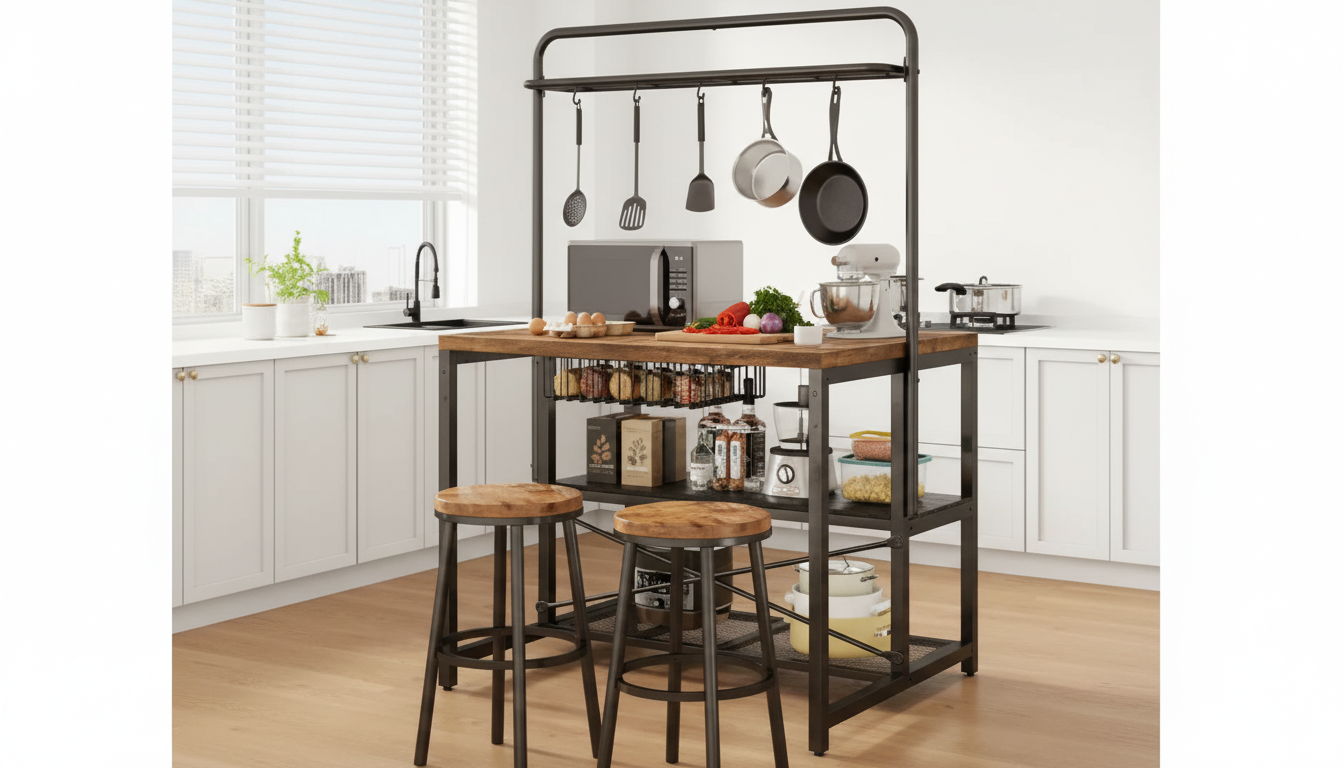
Big Cooking Area Island Table with Storage: More Prep Space, Smarter Organization
A roomy kitchen island can turn everyday cooking into a smoother routine—more surface for prep, a defined spot for appliances, and storage that keeps clutter off the counters. The right island doesn’t just “add space”; it improves the way you move through meals, from unloading groceries to plating dinner. Below is a practical guide to choosing and using a cooking area island table with storage, plus a featured option you can shop right now.
What This Style of Island Adds to a Kitchen
A large island table with storage is most valuable when it supports how the kitchen is actually used day to day. Instead of relying on scattered counter space, it creates a consistent work zone that can be set up once and used constantly.
- Expands the main prep zone so chopping, mixing, and plating can happen without crowding the sink or stove.
- Creates an organizing hub for cookware, small appliances, pantry items, and linens.
- Helps define zones in open layouts (prep, serve, coffee station, baking station).
- Supports entertaining by adding a landing spot for snacks, buffet-style meals, or casual seating (when sized appropriately).
For placement and workflow, the National Kitchen & Bath Association (NKBA) kitchen planning guidance is a helpful reference point for clearances, traffic paths, and functional spacing.
Storage That Stays Practical: Common Options and Best Uses
Storage is only “extra” if it’s inconvenient. The best islands match storage type to how frequently items are used and how visually tidy you want the room to feel.
- Cabinets: best for bulky appliances, mixing bowls, or items that look messy on open shelves.
- Drawers: ideal for utensils, wraps/foils, towels, and frequently used tools; deeper drawers suit pots and pans.
- Open shelving: quick access for cookbooks, baskets, or everyday plates; use bins to reduce visual clutter.
- Towel bars and hooks: convenient for hand towels, oven mitts, or aprons without consuming shelf space.
- Wine racks or bottle cubbies (if included): keep beverages contained and upright in a temperature-stable part of the kitchen.
| Feature | Best for | Tip to keep it tidy |
|---|---|---|
| Deep drawers | Pots, pans, mixing bowls | Use drawer dividers or stacking organizers to prevent shifting |
| Standard drawers | Utensils, wraps, towels | Group by task (prep, baking, grilling) for faster reach |
| Cabinets with doors | Small appliances, bulk items | Add shelf risers to double vertical space |
| Open shelves | Cookbooks, baskets, everyday dishes | Match basket sizes to shelf height for a cleaner look |
| Side hooks/bar | Mitts, towels, aprons | Limit to daily-use items to avoid a crowded side profile |
Sizing and Clearances: Planning the Footprint
Before falling in love with a larger top and more storage, confirm the island can live comfortably in the space. A well-sized island should make the kitchen feel easier to move through—not like an obstacle.
- Measure the available zone and map door swings (dishwasher, oven, fridge) to avoid collisions.
- Aim for comfortable walkways around the island; wider is better in high-traffic kitchens.
- If seating is planned, account for knee space and chair pull-out room behind stools.
- Consider countertop overhang needs if the island will double as an eating or serving ledge.
- Keep frequently used zones (sink, stove, fridge) accessible so the island improves flow instead of interrupting it.
Material and Build Details to Check Before Buying
An island gets leaned on, bumped by cookware, and wiped down constantly—so small build details matter just as much as the overall look.
- Top surface: prioritize a durable, easy-clean finish if heavy chopping and frequent wiping are expected.
- Frame strength: look for stable joinery and a base that resists wobble when leaning or kneading dough.
- Edge durability: rounded or reinforced edges hold up better to bumps from pans and chairs.
- Hardware: smooth drawer slides and sturdy handles matter for daily open/close cycles.
- Mobility: if casters are included, locking wheels help keep the island steady during prep.
Using a Large Prep Surface Efficiently
If the island is where most prep happens, remember food safety basics—especially keeping raw and ready-to-eat foods separate. The USDA’s Clean, Separate, Cook, and Chill guidance is a solid checklist to follow when setting up prep zones.
Care and Maintenance for Long-Term Looks
Product Spotlight: Big Cooking Area Island Table with Storage
If the goal is more elbow room for meal prep plus built-in organization, the Big Cooking Area Island Table with Storage is designed to function as a central “landing zone” for everyday tasks—prep, serving, and keeping essentials close at hand. It’s especially useful in kitchens that need additional work surface but also want storage that reduces countertop clutter.
| Item | Details |
|---|---|
| Name | Big Cooking Area Island Table with Storage |
| Price | 208.01 USD |
| Availability | In stock |
| Product page | View product |
More In-Stock Picks
- Naturally Awake: Puffy Eye Solutions – Natural Remedies for Puffy Eyes Guide
- 125mm F10 Schmidt-Cassegrain Computerized GoTo Astronomical Telescope with StarBright XLT
FAQ
How much space is needed around a kitchen island?
Plan for clear walkways on all working sides, and measure appliance door swings (oven, dishwasher, refrigerator) so nothing collides. If you’ll add seating, leave extra room for stools to pull out and for people to pass behind them.
What should be stored in a kitchen island with cabinets and drawers?
Organize by task: utensils, wraps, and towels in top drawers; pots and pans in deep drawers; and small appliances or bulk items in cabinets. Keep heavier items lower for stability and easier lifting.
How can an island stay clutter-free if it becomes the main prep area?
Create clear zones (raw prep, mixing, plating), limit countertop items to one small caddy, and use drawer dividers or bins to keep tools from spreading. A quick daily reset—returning items to their “home” storage—prevents buildup.











Leave a comment