


AI Pet Diet Personalization: Smarter Feeding for Health
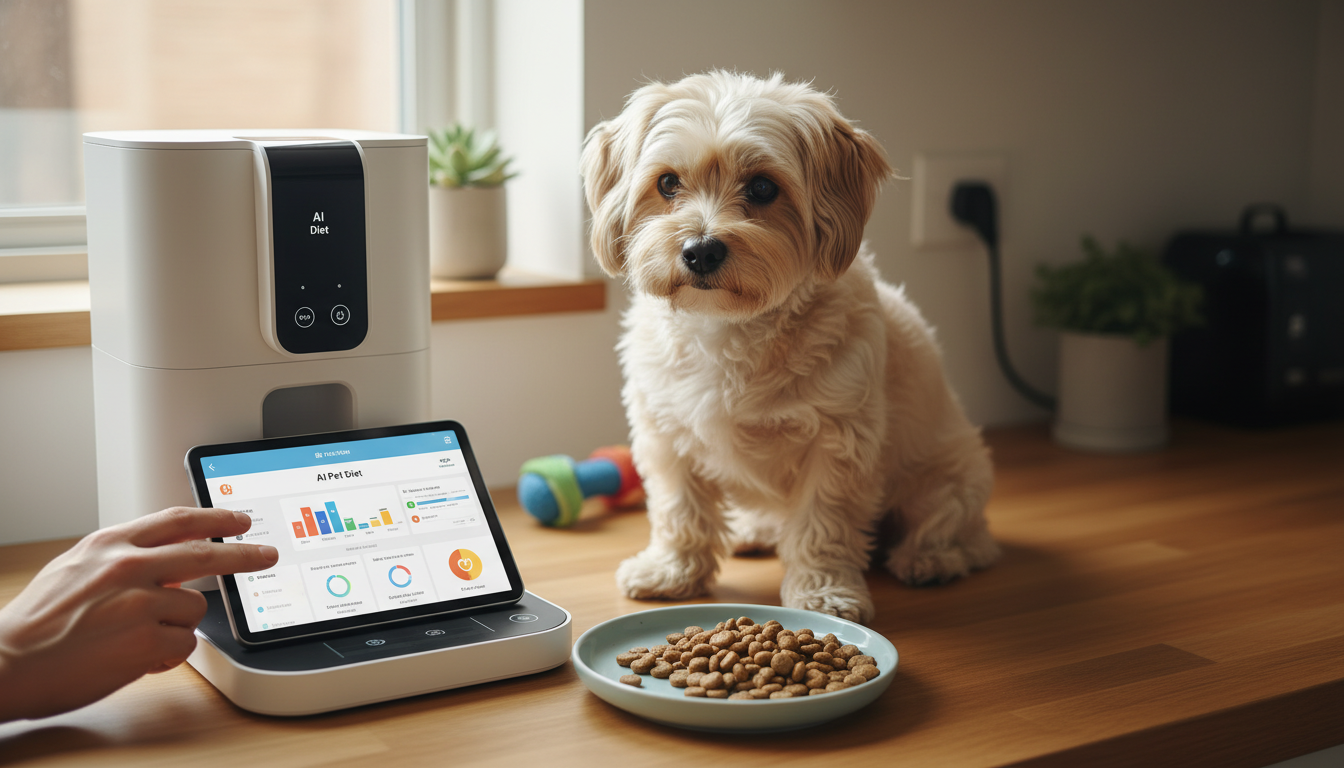
How AI Can Personalize Your Pet’s Diet: A Smart Nutrition Guide for Healthier Pets
Pet nutrition is no longer limited to generic “age and size” feeding charts. With the right inputs—weight trends, activity levels, medical history, ingredient sensitivities, and even stool quality—AI can help translate day-to-day observations into practical feeding adjustments. This guide explains what AI-driven diet personalization can (and can’t) do, which data matters most, and how to use recommendations safely alongside veterinary advice.
What diet personalization actually means for dogs and cats
Personalized feeding is less about finding a single “perfect” diet and more about matching food, portions, and routines to the pet in front of you. Instead of relying on broad feeding ranges, personalization adjusts calories, macronutrients, and ingredient choices based on body condition and lifestyle.
- Moves beyond one-size feeding ranges by adjusting calories, macros, and ingredient choices to match an individual pet’s body condition and lifestyle.
- Accounts for real-world factors: neuter status, activity changes, treat intake, indoor vs outdoor routines, and multi-pet households.
- Targets outcomes owners can track: steadier weight, healthier coat, better stool consistency, improved energy, and fewer diet-related flare-ups.
- Works best as an ongoing loop: measure → adjust → observe → measure, rather than a one-time “perfect plan.”
How AI builds a personalized feeding plan
Most AI-driven feeding tools work like a structured coach: they gather baseline information, layer in context, and then suggest small, testable changes. The strength of AI is pattern recognition—spotting when a plateau is likely treat-related, when a food transition is too abrupt, or when a calorie estimate doesn’t match the weight trend.
- Collects baseline inputs: species, breed/size, age, sex, weight, body condition score, and current food details (brand, formula, kcal/cup or kcal/can).
- Adds context: activity level, treats and chews, training rewards, feeding schedule, and household constraints (budget, time, availability).
- Incorporates health considerations: allergies, sensitive stomach, urinary concerns, dental issues, arthritis, pancreatitis risk, diabetes management needs (vet-led), or kidney disease (vet-led).
- Uses pattern recognition to suggest incremental changes (portion size, meal timing, treat budget, ingredient swaps) and predicts likely impact.
- Flags uncertainty: missing calorie density data, inconsistent weigh-ins, or symptoms that warrant a veterinary visit.
For general nutrition guidance, it helps to compare any tool’s suggestions with established veterinary resources such as the WSAVA Global Nutrition Guidelines.
The data that makes AI recommendations more accurate
AI outputs are only as dependable as the inputs. The most useful data is consistent, measurable, and connected to outcomes you can observe at home—especially body condition and digestion.
- Consistent weigh-ins: weekly for weight goals; biweekly/monthly for maintenance; use the same scale and time of day when possible.
- Body condition score notes: rib feel and waistline matter more than the number on the scale alone.
- Food calorie density: kcal per cup/can/pouch and exact recipe; “scoops” and “handfuls” create hidden calorie swings.
- Treat tracking: treats often explain stalled weight loss or sudden weight gain; set a daily treat calorie cap.
- Digestion signals: stool score, frequency, gas, vomiting, itching, ear infections, or changes after ingredient switches.
Inputs AI Uses and What They Influence
| Input | What it changes | Owner-friendly way to track |
|---|---|---|
| Weight trend (4–6 weeks) | Daily calories and portion adjustments | Weekly weigh-in + simple chart |
| Body condition score | Whether the goal is fat loss, muscle gain, or maintenance | Monthly photo (side + top view) and rib check |
| Activity level | Calorie target and meal timing | Minutes walked/play sessions per day |
| Treats/chews | Treat budget and training plan | Count treats or total treat calories |
| Stool/skin/ears | Fiber level, protein source, elimination diet prompts | Stool notes + symptom diary |
| Health conditions (vet diagnosed) | Prescription diet compatibility and safety boundaries | Vet plan + lab dates/values |
Practical ways AI can improve everyday feeding decisions
Once the basics are captured, AI is most helpful for steady, low-drama improvements—changing what needs changing without accidentally disrupting what’s already working.
Weight management is a common goal; the Association for Pet Obesity Prevention (APOP) offers helpful context on how widespread weight issues are and why small daily habits matter.
Guardrails: when AI is helpful—and when a vet must lead
For a high-level overview of veterinary nutrition considerations, see the Merck Veterinary Manual’s nutrition overview.
A simple routine for using AI diet personalization safely
Recommended tools (digital + everyday helpers)
- How AI Can Personalize Your Pet’s Diet – Smart Nutrition Guide for Healthier Pets | ai pet diet personalization Digital Guide ($7.99)
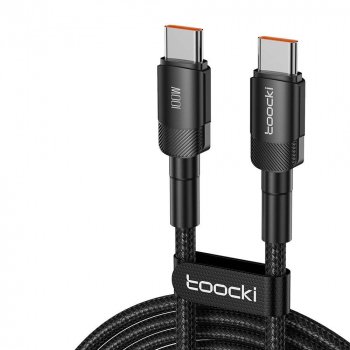
- 100W USB-C to USB-C Fast Charging Cable with PD 3.0 & QC 4.0 – 5A Power ($2.51) for keeping your phone/tablet charged while logging meals, weigh-ins, and symptom notes
Digital guide: AI-powered diet personalization for healthier pets
FAQ
Is AI diet personalization safe for puppies, kittens, and senior pets?
It can be helpful for tracking intake, weight trends, and routine consistency, but growing pets and seniors have unique nutrient needs. Avoid aggressive calorie restriction, and involve a veterinarian for growth, pregnancy, or age-related conditions that change diet requirements.
How quickly should a pet’s food portions change after getting AI recommendations?
Make gradual adjustments rather than big swings—small calorie changes are easier on digestion and easier to evaluate. Re-check weight trend and stool over 2–4 weeks, and pause changes sooner if vomiting, diarrhea, or appetite loss appears.
What information should be tracked to get better nutrition recommendations?
Track weight trend, body condition score notes, exact food calorie density, treats (amount or calories), activity, and digestion/skin signals like stool quality or itching. Consistent measurement—same scale, similar time of day, and accurate portion measuring—improves results.











Leave a comment