


AI Gadget Packing Checklist for Travel & Everyday Carry
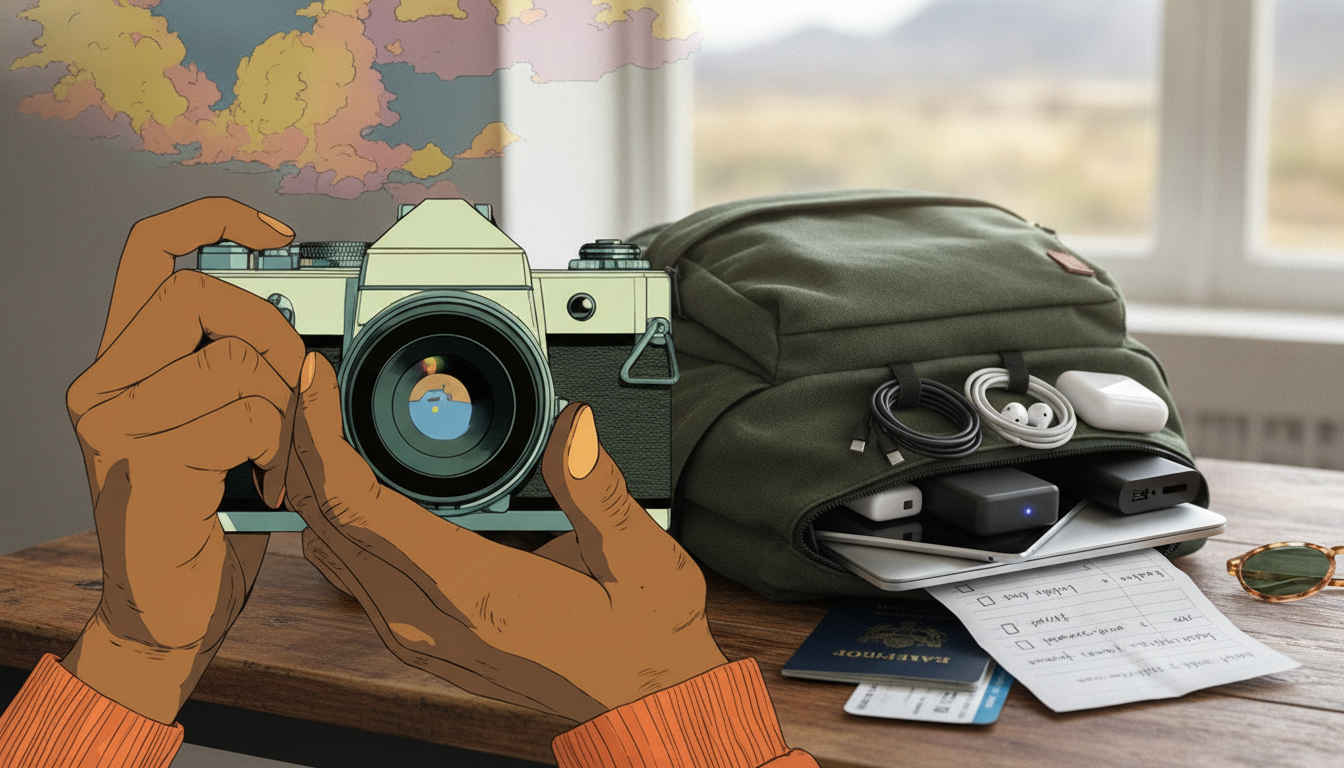
Smart Gadget Packing with AI: A Practical Checklist for Travel and Daily Productivity
Keeping chargers, adapters, and small electronics organized is harder than it looks—especially when switching between work, travel, and everyday carry. An AI-assisted packing checklist streamlines what to bring, reduces duplicates, and helps prevent the most common issue: arriving without the one cable or power accessory that makes everything else usable.
Why gadget packing fails (and how to stop repeating the same mistakes)
Most electronics packing problems aren’t caused by “too many devices.” They come from small, easy-to-misplace items and one overlooked dependency that makes the whole setup unusable.
- Small items get scattered: cables, SIM tools, dongles, SD cards, earbuds, and backup drives tend to migrate between bags, desks, and hotel nightstands.
- One missing “bridge” item breaks everything: a power brick, USB-C hub, or the correct regional plug adapter can be the single point of failure.
- Overpacking adds weight and stress: redundant chargers and “just-in-case” accessories multiply quickly, especially when packing fast.
- Static lists don’t match real trips: a checklist works best when it adapts to destination, trip length, devices, and work needs.
A simple AI-driven system: inputs, rules, and a repeatable routine
A practical AI packing workflow is less about novelty and more about consistency. The best results come from feeding clear trip details, applying a few rules, and saving the outcome as a reusable template.
- Start with inputs: destination (including outlet type), number of days, activities (work, conference, outdoor, family), and the exact devices being carried.
- Apply rules: prioritize multi-use gear (one GaN charger for multiple devices), remove duplicates, and add spares for true single points of failure (a critical cable or adapter).
- Generate a personalized packing list: then save it as a template and update it after each trip.
- Run a quick pre-departure audit: confirm power, connectivity, storage, audio, and protection categories are covered.
For a structured, repeatable workflow, Smart Gadget Packing with AI – Ultimate AI for Electronic Gadget Packing List Checklist for Travel & Productivity is designed to turn trip details into a dependable checklist you can reuse for commute days, weekend travel, and longer work trips.
Core categories for an electronics packing checklist
Instead of thinking in terms of individual items, pack by categories. That prevents the classic mistake of bringing a device but forgetting the one accessory that enables it.
Power
- Wall charger(s) (prefer multi-port)
- Charging cables (plus one spare for the most-used device)
- Power bank (charged before departure)
- Plug adapter for the destination
- Extension or compact power strip (helpful when outlets are scarce)
Battery and power bank rules can vary; checking current guidance before flying helps avoid surprises. See TSA: What Can I Bring? (Portable Chargers / Power Banks) for carry-on screening expectations, and review airline policies aligned with IATA lithium battery guidance for broader context.
Connectivity
- Hotspot or roaming plan details
- USB-C hub/dongles (HDMI, USB-A, Ethernet as needed)
- SIM/eSIM info and SIM tool (or a safe alternative)
- Ethernet adapter when hotel or venue Wi-Fi is unreliable
Storage and backup
- External SSD (fast, durable)
- SD cards + card reader (for camera workflows)
- Backup plan: one offline copy plus cloud when practical
Work and creation
- Laptop/tablet accessories (charger, cable, hub)
- Stylus (if used daily)
- Presentation clicker and the correct display adapter
- Portable stand, keyboard, and mouse (optional, but powerful for long sessions)
Audio and calls
- Earbuds/headset
- Microphone adapter (especially for phones without a headphone jack)
- Spare ear tips and a protective case
Protection and organization
- Padded sleeve for laptop/tablet
- Microfiber cloth for screens and lenses
- Cable organizer to prevent tangles and wear
- Waterproof pouch for tiny items (SIM tools, SD cards, adapters)
Checklist by scenario: work trip, vacation, and hybrid travel days
Scenario packing keeps the list realistic. It also reduces decision fatigue: pack for what the trip demands, not what the drawer contains.
| Scenario | Must-have items | Optional add-ons | Common omission to avoid |
|---|---|---|---|
| Work trip (2–5 days) | Laptop charger, USB-C hub, headset, presentation adapter | Portable stand, mouse, spare SSD | Correct HDMI/USB-C display adapter |
| Vacation (3–10 days) | Phone charger, power bank, earbuds, cable organizer | Action camera kit, compact tripod | Extra charging cable for day bag |
| Hybrid travel day | Carry-on critical kit: charger, 2 cables, earbuds, power bank | Backup SIM tool, mini flashlight | Power bank not charged before departure |
| International | Plug adapter, multi-port charger, universal cable set | Compact power strip, spare wall plug | Adapter type mismatch for destination |
Packing for productivity: keep essentials reachable and predictable
Productivity comes from reducing “setup time”—the minutes lost hunting for a cable, untangling a charger, or realizing the right adapter is in the wrong bag.
For travel days where sleep is short and meetings start early, a simple personal-care add-on can help you look more refreshed on arrival. If that’s useful, Naturally Awake: Puffy Eye Solutions – Natural Remedies for Puffy Eyes Guide is an easy digital companion to keep on your phone.
Using Smart Gadget Packing with AI to build a dependable checklist
If you want a ready-to-use framework that’s easy to adjust, keep, and reuse, Smart Gadget Packing with AI – Ultimate AI for Electronic Gadget Packing List Checklist for Travel & Productivity helps standardize your routine so the essentials are consistently covered.
FAQ
What are examples of smart gadgets?
Common examples include smartphones, smartwatches, wireless earbuds, tablets/laptops, Bluetooth trackers, smart speakers, portable hotspots, smart plugs, and action cameras—“smart” usually means sensors plus connectivity and an app-based control layer.
What should be in an electronics packing list for travel?
Cover the essentials by category: power (chargers, cables, power bank, plug adapter), connectivity (SIM/eSIM details, hotspot, hub/dongles), storage/backup (SSD, SD cards), audio (earbuds/headset), and protection/organization (pouch, sleeve). Tailor the list to your exact devices, trip length, and destination.











Leave a comment