


AI for Pet Care: Health Tracking, Training & Routines

A Friendly Guide to Using AI in Pet Care: Smart Health, Training, and Daily Routines
AI tools can make pet care easier by helping track patterns, organize routines, and turn observations into clear next steps. The goal is safer, steadier day-to-day care—not replacing veterinarians or trainers. Below are practical ways to use AI for health monitoring, training support, enrichment, and planning, along with clear boundaries for when professional help is needed.
What AI Can (and Can’t) Do for Pet Owners
Think of AI as a helpful assistant for organization and consistency. It shines when you already have real observations and you need them turned into a usable plan.
- Helpful for: summarizing notes, creating routine checklists, spotting trends in logs (food, water, litter box, walks), generating training plans, and drafting questions for a vet visit.
- Not suitable for: diagnosing illness, prescribing medication, deciding what’s an emergency, or interpreting lab results without a clinician.
- Best mindset: AI is an organizer and pattern-spotter that improves follow-through and communication.
For trustworthy pet owner education, keep a reliable reference handy such as AVMA Pet Owner Resources.
Set Up a Simple AI-Powered Pet Care System
The most effective setup is the simplest one you’ll actually maintain. Pick one “home base” for records (a notes app, spreadsheet, or pet care app) and stick with it.
- Create three logs: a daily log (meals, walks, meds), a weekly log (weight, grooming, training goals), and an “odd events” log (vomiting, limping, anxiety triggers).
- Use AI to structure messy notes: date, time, symptom, duration, possible trigger, and photo/video reference.
- Add reminders: flea/tick/heartworm preventatives, refill dates, grooming/nail trims, and re-check appointments.
Starter prompts and what to paste into them
| Goal | What to provide | What AI should output |
|---|---|---|
| Build a daily routine | Pet age, species/breed, schedule constraints, feeding preferences | Timed routine with meals, potty breaks, walks/play, training, quiet time |
| Organize health notes | Raw notes from a week + photos/video timestamps | A clean log with trends, red flags to monitor, and questions for the vet |
| Training plan | Behavior goal + current skill level + rewards that work | Step-by-step sessions, duration, criteria to progress, troubleshooting |
| Enrichment ideas | Energy level, indoor/outdoor access, toys available | Rotation plan with 10–15 minute activities and safety notes |
| Travel prep | Trip length, destination climate, pet temperament | Packing list, schedule adjustments, calming strategies, vet questions |
Smart Health Monitoring Without Overreacting
Daily data is only useful when it’s focused. Track a short list consistently, and let AI summarize patterns without turning every blip into a crisis.
- Track what matters: appetite, water intake, bathroom habits, energy, sleep, itchiness, coughing/sneezing, mobility, and weight.
- Use photos and short videos: coat changes, gait, breathing at rest, and stool consistency are easier to explain when you can show them.
- Ask for pattern summaries: “What changed after the new food?” or “List possible triggers based on dates and activities.”
- Set watch windows: decide ahead of time what counts as “call the clinic” (for example: number of episodes, duration, severity).
Always prioritize urgent care for breathing trouble, collapse, seizures, persistent vomiting/diarrhea, bloated abdomen, suspected toxin ingestion, or inability to urinate. For toxin concerns, save the ASPCA Animal Poison Control guidance so you’re not searching in a panic.
Training and Behavior: Turning Consistency Into Progress
Behavior change happens through repetition. AI can help you plan repetition realistically around your day and keep your criteria consistent.
- Break big goals into micro-skills: leash pulling can become “check-in cue,” “reward zone,” and “gradual distraction exposure.”
- Keep sessions short: 3–8 minutes, a few times per day, beats one long session. Ask AI to slot sessions into your existing routine (after potty breaks, before dinner, etc.).
- Record what worked: reward type, distance from trigger, time of day, environment, and your pet’s body language. Then ask AI for controlled adjustments (change one variable at a time).
- Know when to escalate: fear, aggression, or severe anxiety should be handled with a qualified trainer or behavior professional—use AI to prep notes and questions, not to “treat” the issue.
Daily Care Upgrades: Feeding, Grooming, and Enrichment
AI is most valuable when it turns good decisions into repeatable habits—shopping lists, calendars, and simple rotation plans.
- Feeding: use AI to generate measured meal schedules and shopping lists based on vet-approved diet decisions. Avoid AI-created recipes or supplement plans without veterinary guidance. For nutrition fundamentals, reference the WSAVA Global Nutrition Guidelines.
- Grooming: build a coat/skin routine calendar and track products used plus any irritation so patterns are easy to spot.
- Enrichment: rotate puzzle feeders, sniff walks, foraging games, and calm chewing. Ask AI for a weekly rotation so activities stay “fresh” without becoming chaotic.
- Multi-pet households: keep separate logs to reduce mix-ups with meds, feeding amounts, and training goals.
Privacy, Safety, and Reliable Decisions
Helpful Digital Guides and Tools
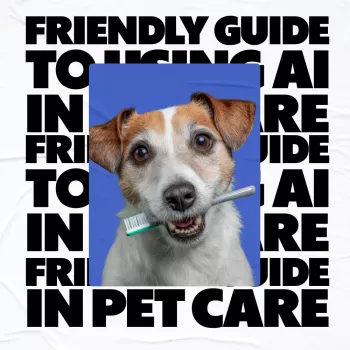
If you want a step-by-step workflow you can follow immediately, A Friendly Guide to Using AI in Pet Care (ebook) is designed to help modern pet owners turn everyday observations into organized logs, clearer questions for professionals, and more consistent routines at home.
Long days and late nights can be part of pet parenting, especially during training phases or senior-pet care. For a quick self-care read, Naturally Awake: Puffy Eye Solutions – Natural Remedies for Puffy Eyes Guide can be a handy companion for tired mornings (while you keep your pet’s health decisions grounded in veterinary guidance).
FAQ
Which travel guides are the best?
For trips with pets, the most useful guides are those that include pet-friendly lodging filters, local leash laws, climate considerations, nearby emergency vet locations, and packing checklists. Pair a destination guide with a pet-specific checklist and a pre-travel vet consult to review vaccines, parasite prevention, and motion/anxiety planning.











Leave a comment