

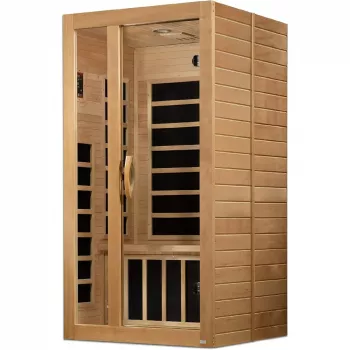
1–2 Person Low EMF Infrared Sauna w/ Bluetooth Audio
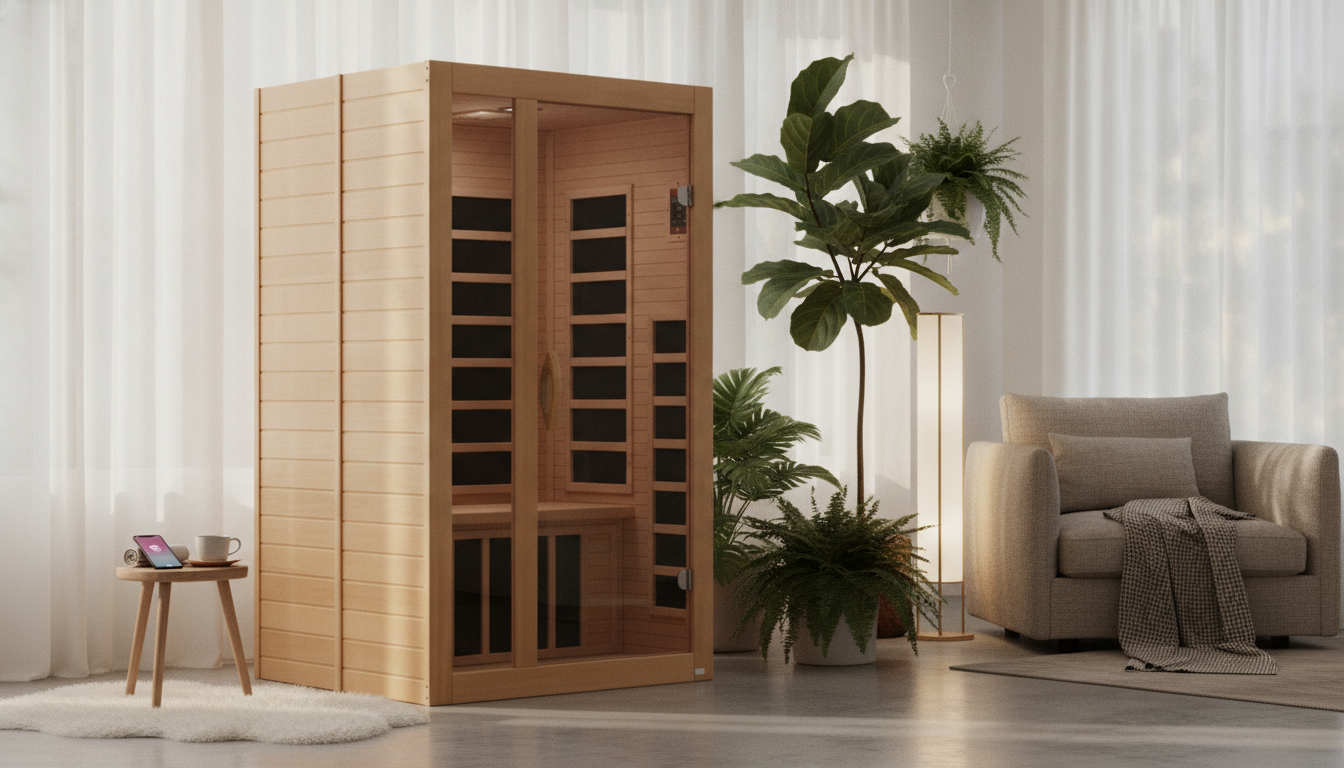
1–2 Person Low EMF Far Infrared Sauna with Bluetooth Music System
A compact indoor sauna can be one of the easiest ways to build a dependable relaxation and recovery ritual at home—especially when it blends far infrared heat, a low EMF-minded electrical design, and a built-in Bluetooth music system. The goal is simple: a comfortable session that feels restorative, fits into real living spaces, and stays easy to use day after day. Below is what typically matters most when choosing and living with a 1–2 person far infrared cabin: how sessions feel, what “low EMF” means in practice, how audio can support consistency, and the setup details that prevent buyer’s remorse.
What a Far Infrared Session Feels Like
Far infrared heat is often described as a gentler, more tolerable warmth than a traditional steam sauna. Instead of super-heating the air, infrared heaters aim warmth toward your body, so many users feel comfortable at lower cabin temperatures while still breaking a sweat.
A typical session flow looks like this: preheat the cabin, sit for about 20–45 minutes, then take a short cooldown and hydrate afterward. Many people use infrared time as a post-workout recovery habit, an evening wind-down, or a quiet midday reset when stress or stiffness builds.
For comfort, start shorter than you think you need. A towel under you (and another behind your back) improves comfort and makes cleanup quicker. Also, avoid heavy meals right before you step in—light hydration and a small snack earlier usually feel better than a full stomach in the heat.
For general safety considerations and what to know before trying sauna use, see the National Center for Complementary and Integrative Health: NCCIH — Sauna: What You Need To Know.
Low EMF: What It Means in Practice
“Low EMF” typically refers to reducing electromagnetic fields produced by heaters, wiring, and control components while the sauna is running. There isn’t a single universal definition across the industry, so the practical value comes from understanding what’s being measured and where.
EMF levels can vary based on heater type and placement, shielding and grounding methods, the distance between your body and electrical components, and overall wiring layout. Even the measurement location changes the story—readings taken near a power supply or control panel may look different than readings at head or chest level where you sit.
If low EMF is a priority, ask practical questions: Where were measurements taken (bench center, head height, chest height)? At what distance from panels or heaters? Were the readings done by an independent party? And are the reported numbers for AC magnetic fields, electric fields, or both?
Everyday habits can help minimize exposure further without complicating your routine: sit centered rather than pressed against panels, avoid leaning on the control area, and keep phones or tablets outside the cabin when possible. For a broader public-health overview of EMF topics, the World Health Organization provides background here: WHO — Electromagnetic fields and public health.
Bluetooth Music System: Creating a More Relaxing Routine
A built-in Bluetooth music system can make sauna use easier to stick with because it turns each session into something you look forward to. Many people pair their time with playlists, guided breathing, meditation tracks, or audiobooks—anything that signals “this is my reset.”
The best experience comes from simple, stable pairing and controls that don’t require fiddling once you’re warm. Pair your phone once, keep the volume moderate, and—if your sauna layout allows—place your phone outside the heated cabin so it’s not exposed to prolonged heat. That approach protects your device and helps you stay focused on relaxing rather than troubleshooting.
Size, Seating, and Room Placement for a 1–2 Person Cabin
Quick Checklist for Set-Up and Everyday Use
| Item to Check | Why It Matters | What to Look For |
|---|---|---|
| Power source | Safe, consistent heating performance | Dedicated outlet if recommended; avoid undersized extension cords |
| Floor and clearance | Door function and stability | Level surface; space to open the door fully |
| Warm-up time | Predictable routine | Consistent preheat before starting a timed session |
| Seating comfort | Longer sessions feel easier | Bench depth, back support with towels, foot placement |
| Cleaning plan | Odor and hygiene control | Wipe-down after each use; gentle cleaner as needed |
| Hydration | Comfort and safety | Water before and after; avoid alcohol use before sessions |
Controls, Heat Management, and Safety Basics
Care, Maintenance, and Keeping the Cabin Fresh
Is This the Right Fit for Your Routine?
In-Stock Picks at Splendena
- 1-2 Person Low EMF Far Infrared Sauna with Bluetooth Music System
- 125mm F10 Schmidt-Cassegrain Computerized GoTo Astronomical Telescope with StarBright XLT
- Little Angel 28cm Fashion Doll with Mechanical Joint Body
FAQ
How long should a far infrared sauna session be for a beginner?
Start with about 10–20 minutes at a moderate temperature, then increase session length gradually as your comfort improves. Hydrate before and after, and take a short cooldown so your body can return to normal comfortably.
What does “low EMF” mean for an infrared sauna, and how is it measured?
“Low EMF” generally means the sauna is designed to reduce electromagnetic fields from heaters and electrical components, but readings can vary by design and measurement location. Check where measurements were taken (distance and body position), whether results were independently verified, and whether the report covers magnetic fields, electric fields, or both.
Can a Bluetooth music system be used safely during sauna sessions?
Built-in sauna audio is intended to operate during sessions, but personal phones and tablets are usually best kept outside the heated cabin to avoid heat exposure. Set your playlist and volume before you start so you can relax without handling devices mid-session.










Leave a comment