


Does Charging Your Phone Often Damage the Battery?
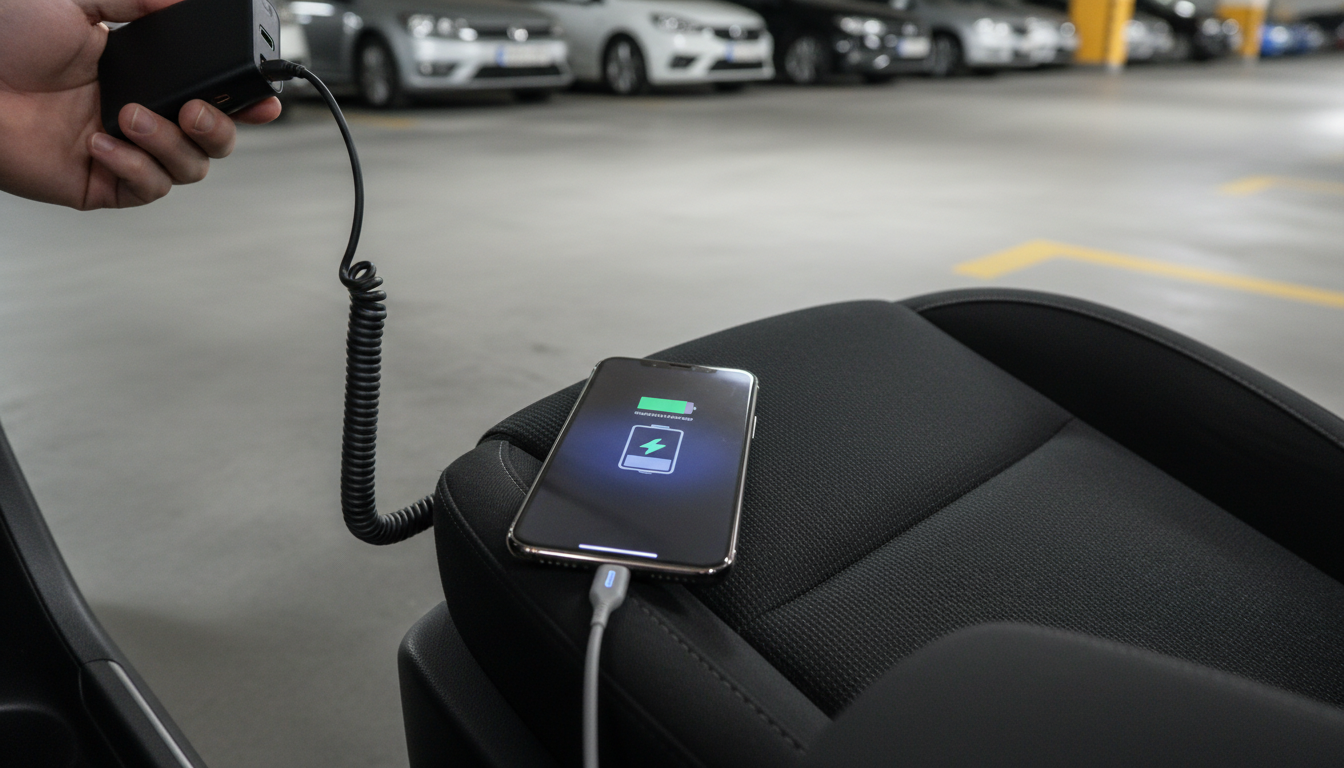
Does charging phone multiple times a day damage battery?
Charging a phone multiple times a day usually doesn’t “damage” the battery by itself. Modern smartphones use lithium-ion batteries and smart charging circuits that manage power flow, reduce stress when the battery is full, and protect against overcharging. What affects long-term battery health is the total wear on the battery over time—mainly driven by heat, how long the battery sits at very high charge, and how deeply it’s drained—rather than the number of times you plug in.
Why frequent charging can actually be easier on a lithium-ion battery
Small top-ups (for example, charging from 40% to 70%) are generally gentler than repeatedly running the battery down close to 0% and then charging back to 100%. In practice, several short charges can reduce the depth of each discharge cycle, which can be beneficial for battery longevity.
What can hurt battery health more than charging “often”
Heat is the biggest enemy. Charging while gaming, using GPS in the sun, leaving the phone on a hot car seat, or using a low-quality charger/cable that runs hot can accelerate battery aging. Also, keeping the phone at 100% for long periods (like staying plugged in overnight every night) can add extra stress—though many phones now use optimized charging features to reduce that impact.
Best daily habits for healthier charging
For most people, aim to keep your battery in the middle range when convenient (roughly 20%–80%), avoid letting it sit at 0% for long, and try to charge in cooler conditions. If you need a full charge for travel or a long day, charging to 100% occasionally is normal and expected.
For a deeper breakdown of charging cycles, heat, and practical tips, visit Does charging phone multiple times a day damage battery.
FAQ
Is it better to charge to 80% instead of 100%?
Often, yes. Stopping around 80% can reduce time spent at high voltage, which may slow long-term battery wear. Charging to 100% is fine when you need maximum runtime, just avoid keeping it pinned at 100% for extended periods in warm conditions.












Leave a comment