Brown Sunglasses: Warmer Colors, Contrast, and Glare
Do brown-tinted sunglasses change color perception or make things look warmer?
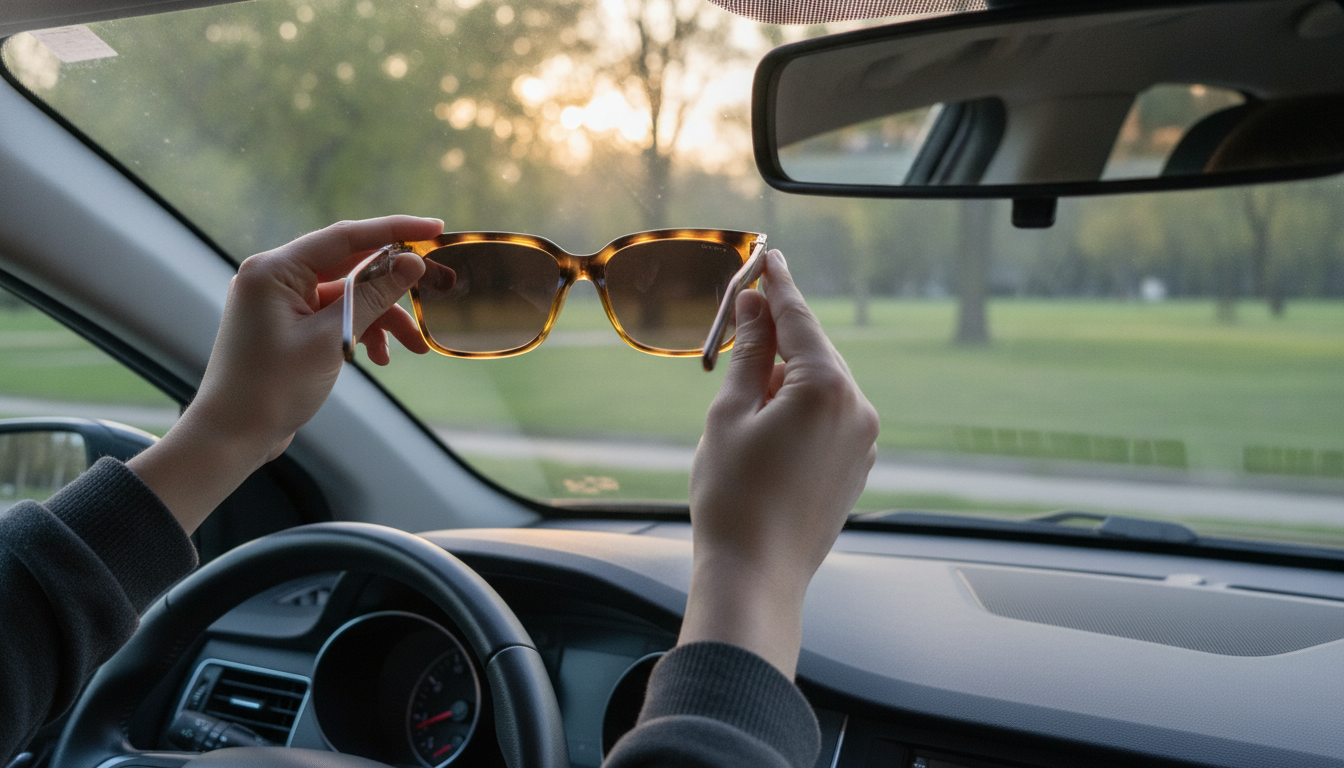
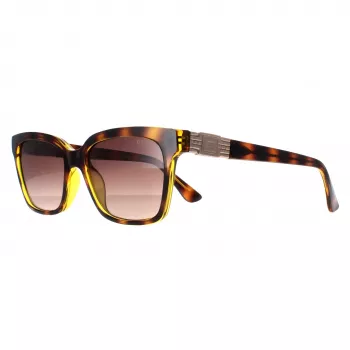
Yes. Brown-tinted sunglasses usually shift color perception slightly and make the world look warmer. They boost contrast and emphasize reds, oranges, and yellows, so environments can appear more “golden” or sunlit compared with gray, green, or blue lenses. Whites may look creamier, and shadows can seem less harsh, which many people find comfortable for everyday wear.
How brown lenses affect color perception
Any tinted lens filters some wavelengths of visible light more than others. Brown (often called amber) lenses generally reduce a portion of blue light, which is associated with cooler tones and haze. By dialing down those cooler wavelengths, the remaining light skews warmer, and contrast between objects can feel more pronounced—especially in variable light, partly cloudy conditions, or against natural backgrounds like trees and pavement.
This doesn’t mean brown lenses “distort” colors in a dramatic way for most casual uses, but they can subtly change how you judge color accuracy. If precise color matching matters (for example, choosing paint, fabric, or makeup in bright daylight), consider briefly viewing items without sunglasses or using a more neutral lens color.
Do brown sunglasses improve clarity or reduce glare?
Brown tints can make scenes feel clearer by improving perceived contrast, but glare control depends more on lens quality, coatings, and polarization than tint color alone. A brown lens without polarization can still look warm and contrasty, yet strong reflected glare off water, snow, or windshields may remain. If you want the warm look plus better glare reduction for driving or time near water, choose brown polarized lenses.
What about UV protection and lens darkness?
Warm color perception is separate from UV protection. UV defense comes from the lens material and UV-blocking treatment (for example, UV400), not from how dark the tint appears. Dark lenses without proper UV protection can be risky because your pupils may dilate, allowing more UV in. For a deeper dive into picking brown shades with proper UV coverage, visit this guide to women’s brown sunglasses with UV400 protection.
FAQ
Are brown sunglasses good for driving?
They’re often a strong choice because the warmer tint can increase contrast and make road details stand out. For the best comfort on bright days, look for polarization in addition to a brown tint.








Leave a comment