


Best Bypass Pruning Shears: Fit, Cut Capacity, Comfort
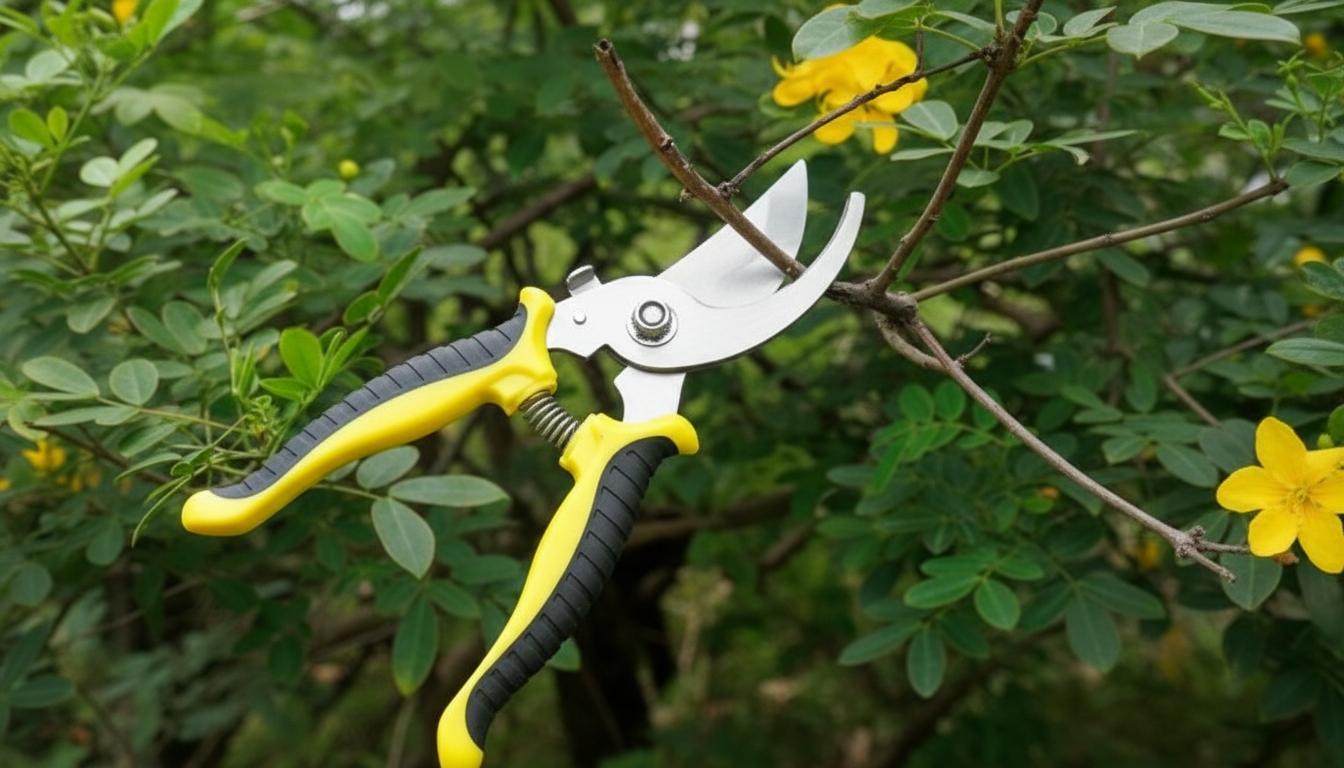
What are the best bypass pruning shears?
The best bypass pruning shears are the ones that match your hand size, the plants you cut most often, and how long you typically prune in one session. In general, top-performing bypass pruners share a few traits: a sharp, precision-ground blade for clean slices, a tight blade-to-anvil (or blade-to-hook) alignment that doesn’t wobble, and an ergonomic handle that stays comfortable while applying force.
What to look for in a great pair
Clean-cut blade geometry: True bypass shears use two curved blades that pass each other like scissors, which helps minimize crushing on live stems. Look for a hardened steel blade that holds an edge and a design that keeps sap from gumming up the action.
Cut capacity that fits your garden: Many everyday garden tasks fall under 1/2 inch, but thicker rose canes, shrubs, and young branches may push closer to 3/4 inch. Choose a model rated for what you actually cut—forcing oversized stems can twist blades and tire your hand.
Comfort and control: A secure grip, smooth spring action, and a lock you can operate one-handed make a big difference. If hand fatigue is a concern, prioritize pruners with a well-shaped handle and a responsive return spring.
Best “type” recommendations (so you can pick fast)
For everyday yard work: A mid-size bypass pruner with a replaceable blade and sturdy pivot is the most versatile option.
For small hands or precision: Compact bypass shears reduce overreaching and improve control on flowers, herbs, and tight spots.
For heavy pruning days: Step up to a professional-grade bypass pruner with serviceable parts (blade, spring, and pivot) so performance stays consistent season after season.
For a deeper, model-by-model breakdown of what separates professional bypass pruners from average ones—and how to choose for clean cuts—see the full guide: https://splendena.com/guide-professional-bypass-pruning-shears-clean-cuts/.
FAQ
How do you sharpen bypass pruning shears?
Clean off sap first, then sharpen the beveled cutting blade with a fine file or sharpening stone, following the existing angle from heel to tip. Finish by lightly removing burrs and testing on a small green stem for a smooth, crush-free cut.











Leave a comment