


Pruning Shears vs Bypass Pruners: What’s the Difference?
What’s the difference between pruning shears and bypass pruning shears?
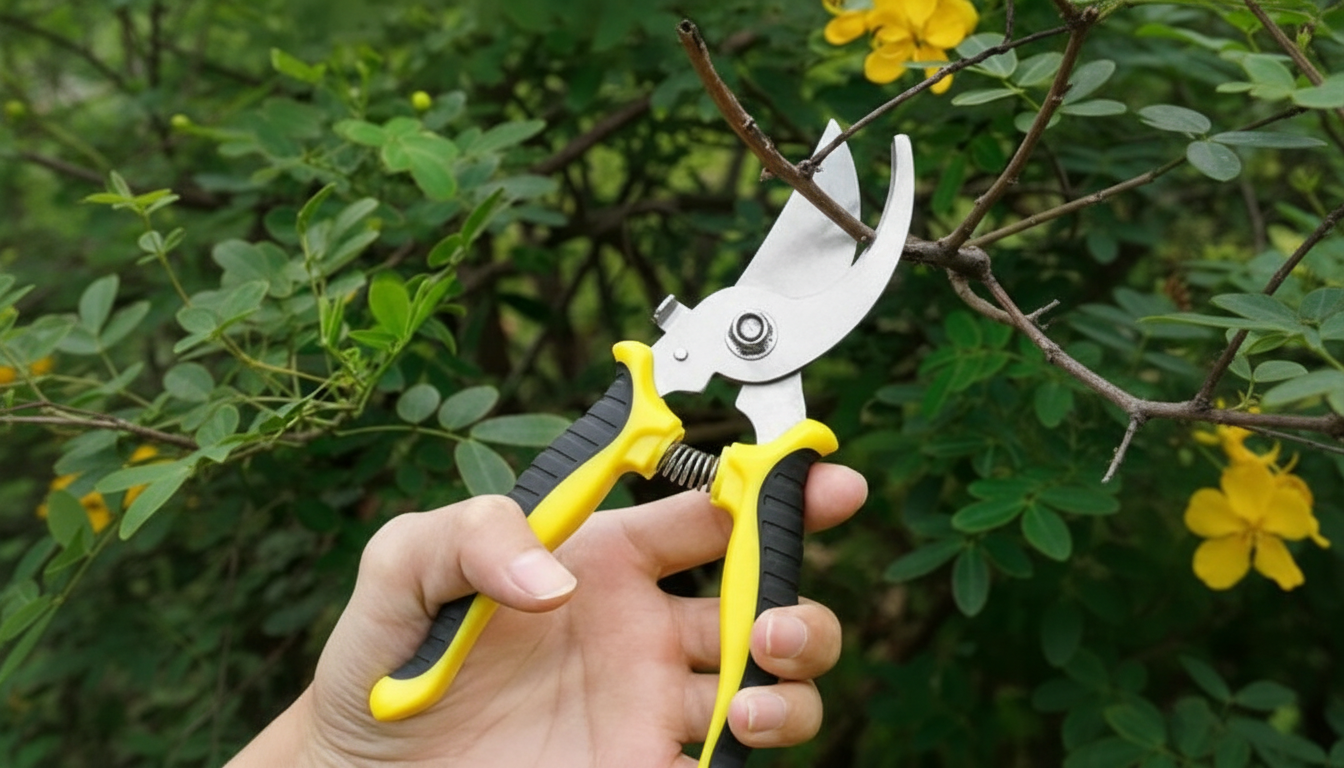
“Pruning shears” is the umbrella term for handheld pruners used to cut stems, small branches, and garden growth. “Bypass pruning shears” are a specific type of pruning shear—one designed with two sharpened blades that pass by each other like scissors. So the difference isn’t that they’re competing tools; it’s that bypass shears are one of the main styles of pruning shears.
How bypass pruning shears cut
Bypass pruners use a curved cutting blade that slices past a thicker counter blade. This scissor-like action makes a clean cut that’s especially helpful for live, green plant material. Because the cut is smooth, it can reduce crushing and tearing compared with other styles, which matters when you’re shaping shrubs, trimming roses, or harvesting herbs and flowers.
How other pruning shears differ (anvil style)
The other common pruning-shear style is anvil pruners. Instead of two blades sliding past each other, an anvil pruner has one sharpened blade that closes onto a flat “anvil” surface. That can work well for dry or dead wood, but it’s more likely to pinch softer live stems. If you’ve ever noticed a stem looking flattened after cutting, it’s often due to using an anvil-style pruner on green growth.
Which one should you choose?
If most of your work is on living plants—routine garden maintenance, shaping, and clean cuts—bypass pruning shears are usually the better pick. If you mainly tackle dead, woody material, anvil pruners can be a practical option. For a deeper look at what makes a quality bypass pruner and how to get consistently clean cuts, visit this guide to professional bypass pruning shears.
FAQ
What are the best bypass pruning shears?
The best bypass pruning shears are the ones that match your hand size and typical cutting jobs, with sharp replaceable blades, a comfortable grip, and a sturdy locking mechanism. Look for clean, effortless cuts on green stems and a build that holds alignment over time.











Leave a comment