


Bonsai Pruning Tools: What to Use for Clean Cuts
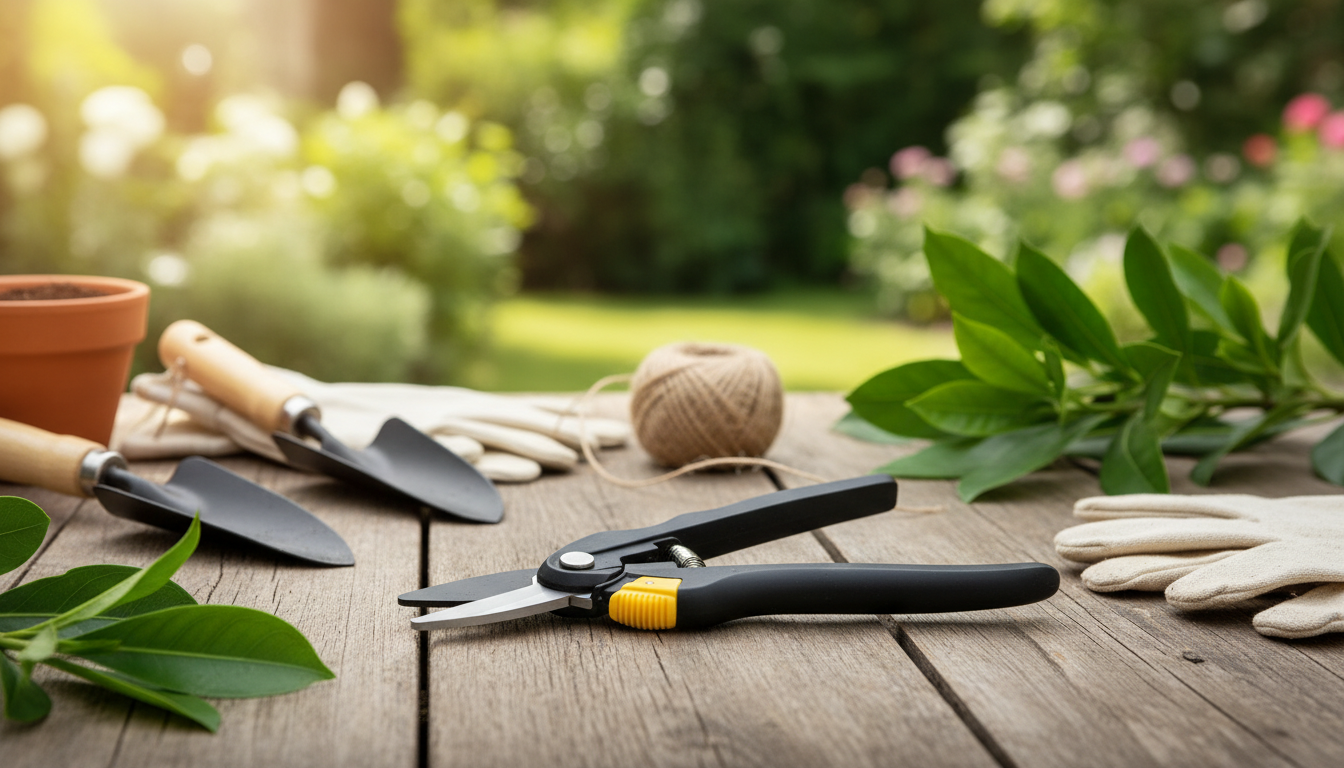
What to use to prune a bonsai tree?
Use sharp, purpose-made bonsai pruning tools that match the thickness and type of cut you’re making. For most routine pruning, a small pair of pruning shears or bonsai scissors handles soft shoots, leaves, and thin twigs cleanly. For slightly thicker branches, use bypass hand pruners (not anvil-style), since bypass blades slice rather than crush, helping the cut heal more smoothly.
Best tools for common bonsai pruning tasks
Bonsai scissors: Ideal for delicate trimming, leaf pruning, and fine branch work where precision matters. The slim tips help you reach tight areas within the canopy without tearing foliage.
Small bypass pruning shears: Best for general shaping and maintenance on small to medium branches. Look for a comfortable grip and a clean, tight blade alignment so you can make controlled cuts.
Concave branch cutter (optional but valuable): Designed to remove branches while leaving a shallow, concave wound that can heal flatter and look cleaner over time—especially useful on thicker branches where appearance is critical.
Knob cutter (for specific styles): Helpful for removing knobs and bulges on trunk or branch junctions, typically for refinement work rather than everyday trimming.
What to avoid (and why)
Avoid dull household scissors, anvil pruners, or heavy loppers on bonsai. Crushing cuts can split bark and bruise living tissue, increasing dieback risk and slowing healing. Also avoid tearing off growth by hand; it can strip bark and leave ragged wounds.
Quick tips for cleaner, safer cuts
Disinfect blades before moving between trees (or after cutting diseased material) and keep tools sharp—sharp tools reduce stress on the plant. Cut with intention: remove small amounts gradually, step back, and reassess the silhouette rather than taking too much at once.
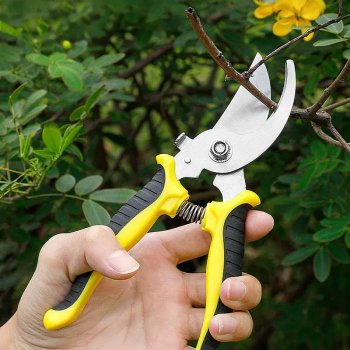
For a practical breakdown of choosing the right size and style of pruning shears for bonsai and other plants, see this guide to 8-inch pruning shears.
FAQ
How do you disinfect bonsai pruning tools?
Wipe blades with 70% isopropyl alcohol or use a disinfectant suitable for garden tools, then let them dry before cutting. This helps reduce the chance of spreading pests or disease from one plant to another.











Leave a comment