


Undercarriage Rust Proofing Cost: Typical Prices & Factors
How much does it cost to rust proof an undercarriage?
Rust proofing an undercarriage typically costs anywhere from about $100 to $800+, depending on the method, the vehicle’s size, and how much prep work is needed. A quick “spray-over” service is usually at the lower end, while thorough cleaning, rust treatment, and multi-step coatings push the price up.
Typical price ranges by service type
Oil/wax-based undercoating: Often $120–$250 for many sedans and small SUVs. These products creep into seams and are popular in snow/salt regions, but they usually need reapplication every 12–24 months.
Rubberized/asphalt undercoating: Commonly $200–$500. This can add impact resistance, but proper surface prep matters; coating over active rust can trap moisture and make problems worse.
Rust conversion + coating system: Frequently $300–$800+ when a shop removes loose corrosion, treats rust, then applies primer/paint or a dedicated system. If the vehicle has heavy scaling or needs extensive scraping, the bill can climb past $1,000.
What drives the cost up (or down)
Current condition: A newer, clean undercarriage is faster to protect. Flaking rust, caked mud, or oily buildup takes time to remove and treat.
Prep and masking: Professional jobs may include pressure washing, drying time, and masking brakes, exhaust components, sensors, and drain points.
Coverage area: Full underbody plus inside rocker panels, frame rails, and wheel wells costs more than a basic underside spray.
Where you live: Labor rates and local demand (especially in rust-belt areas) affect pricing.
How to get an accurate quote
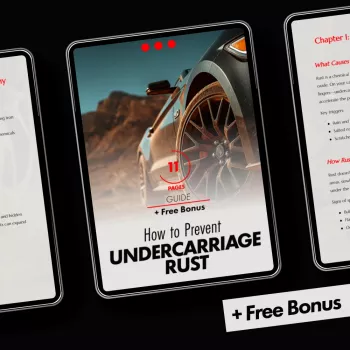
Ask what product is used, whether rust is treated or simply covered, and how often reapplication is recommended. For a practical walkthrough on cleaning and protecting metal underneath your car, see this undercarriage rust guide.
FAQ
How often should you reapply undercarriage rust protection?
Many oil- or wax-based coatings are refreshed about once a year (or every 12–24 months) depending on winter salt exposure and how often the vehicle is washed. Hard coatings can last longer, but should still be inspected annually for chips and missed spots.










Leave a comment