

Heat + Vibration Knee Massager: Daily Relief and Recovery
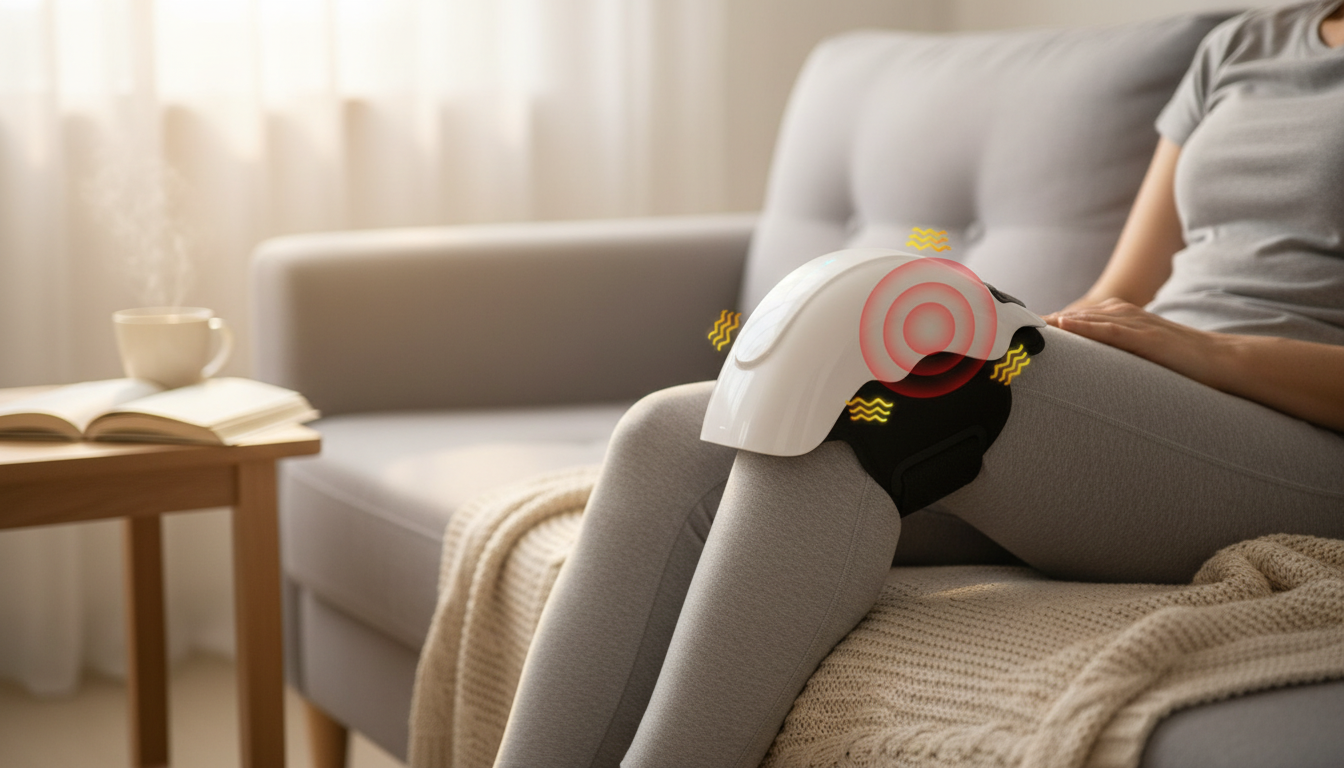
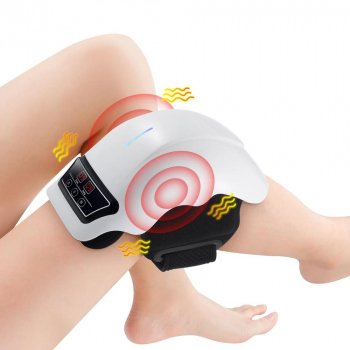
Electric Knee Massager with Heat and Vibration Therapy: Comfort, Support, and Daily Recovery
A knee massager that combines warmth and vibration can be a simple way to relax tight muscles around the joint, ease post-activity stiffness, and support a calmer wind-down routine. This guide breaks down how heat and vibration feel on the knee, who tends to benefit, what features matter most, and how to use a device safely and comfortably at home.
What Heat and Vibration Can Do for the Knee Area
When a knee feels “tight,” the sensation often comes from more than the joint itself. Surrounding tissues—like the quadriceps, hamstrings, calves, and the soft tissue around the kneecap—can contribute to a stiff, guarded feeling after long sitting, repetitive activity, or a busy day on your feet.
- Heat helps encourage circulation and a looser, more flexible feeling in the surrounding soft tissue. Many people also find warmth comforting in colder weather or first thing in the morning.
- Vibration adds gentle, rhythmic sensory input that can feel soothing and “distracting” in a good way, especially after workouts, long days, or prolonged sitting.
- These modes are typically best for everyday stiffness, muscle tightness around the knee, or general discomfort—not sudden injuries or severe swelling.
- For the most consistent results, pair comfort tools with the basics: light movement, stretching, strengthening as tolerated, quality sleep, and supportive footwear.
For additional background on heat as a comfort strategy, see the Arthritis Foundation’s overview of heat and cold therapy: https://www.arthritis.org/health-wellness/healthy-living/managing-pain/pain-relief-solutions/using-heat-and-cold-to-treat-arthritis-pain.
Who It’s For (and When to Skip It)
A heat-and-vibration knee massager tends to fit into daily life easily—quick sessions on the couch, at a desk, or after a walk—without the learning curve of more complex recovery gear.
- Common use cases: desk workers with stiff knees, walkers/runners wanting a comfortable recovery ritual, older adults who like warmth for achy joints, and anyone who prefers non-medication comfort options.
- Consider avoiding use or getting clinical guidance first if there is acute swelling after a new injury, unexplained redness/heat in the joint, suspected infection, open wounds, severe varicose veins near the area, or known circulation/nerve issues.
- Extra caution is smart with implanted devices (such as pacemakers), pregnancy, or recent surgery—confirm safety with a clinician.
- Stop use if numbness, increased pain, a burning sensation, or skin irritation occurs.
If you’re unsure whether symptoms need medical attention, Mayo Clinic provides helpful guidance on when to seek care for knee pain: https://www.mayoclinic.org/symptoms/knee-pain/basics/when-to-see-doctor/sym-20050688.
Key Features That Affect Comfort and Results
Not all knee massagers feel the same. Comfort is largely determined by adjustability, contact, and the ability to keep sessions gentle when you want them gentle.
- Heat levels: multiple settings help match sensitivity; lower heat is often better for longer sessions.
- Vibration patterns/intensity: more levels let you start very light and increase gradually.
- Fit and wrap design: adjustable straps and contoured shaping improve contact and reduce slipping.
- Session timer and auto shut-off: supports hands-off relaxation and helps prevent overdoing it.
- Power and portability: battery/USB charging vs. plug-in matters depending on whether you’ll use it at a desk, on the couch, or while traveling.
- Noise level: quieter motors are more comfortable for evening use while reading or watching TV.
Heat vs. Vibration: How They Feel and When to Use Each
Think of heat and vibration as two different “comfort dials.” Some days you’ll want one; other days, both together feels best.
| Goal | Suggested mode | Typical session length |
|---|---|---|
| Morning stiffness or cold knees | Heat (low to medium) | 10–15 minutes |
| After walking/exercise | Vibration (low to medium) or combined (low heat) | 10–20 minutes |
| Relaxation before bed | Combined (comfortable heat + gentle vibration) | 15–20 minutes |
| Sensitive skin or heat discomfort | Vibration only (low) | 5–15 minutes |
How to Use an Electric Knee Massager Safely
For more detail on heat therapy best practices and safety, Cleveland Clinic offers a clear overview: https://my.clevelandclinic.org/health/treatments/21530-heat-therapy.
Electric Knee Massager with Heat and Vibration Therapy: At-a-Glance
| Item | Details |
|---|---|
| Name | Electric Knee Massager with Heat and Vibration Therapy |
| Price | $42.97 USD |
| Availability | In stock |
| Product page | https://splendena.com/electric-knee-massager-with-heat-and-vibration-therapy/ |
More In-Stock Wellness Picks
- Electric Knee Massager with Heat and Vibration Therapy — daily warmth + vibration for a quick wind-down or post-walk reset.
- Naturally Awake: Puffy Eye Solutions – Natural Remedies for Puffy Eyes Guide — a simple add-on for mornings when you want to look as refreshed as your knees feel after a comfort session.
When to Get Medical Advice
FAQ
Is vibration massage good for the knees?
Gentle vibration can feel soothing and may help relax the muscles around the knee, which can reduce the perception of tightness. It isn’t a cure for arthritis or structural problems, and it should be avoided with acute swelling after a new injury or if you have circulation or nerve issues unless a clinician says it’s safe.
Do vibrating knee massagers work?
Many people experience temporary comfort and less perceived stiffness, especially after sitting or activity, but results vary based on the underlying cause of pain. They tend to work best when paired with light movement and strengthening as tolerated, and you should stop if symptoms worsen or you feel numbness, burning, or irritation.









Leave a comment