


Room-by-Room Babyproofing Checklist for a Safer Home
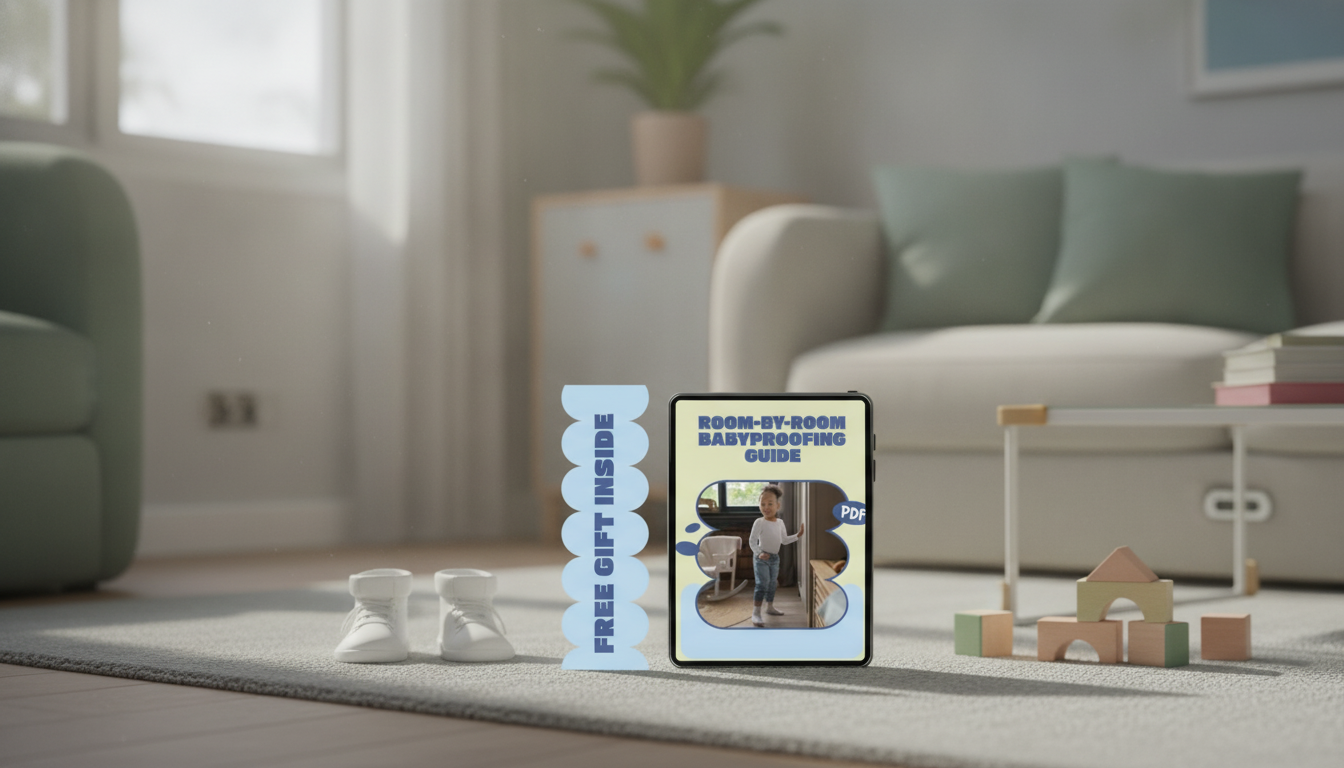
Room-by-Room Babyproofing Guide for New Parents and Caregivers
A safe home setup is easiest when it’s broken into small, room-specific checks. The goal isn’t to create a “perfectly safe” house (that doesn’t exist), but to reduce the biggest, most common risks while keeping daily routines realistic. Start with what your child can do today, then add protections for what’s coming next—rolling, crawling, cruising, and climbing—so every caregiver can stay consistent and confident.
Start With a Simple Safety Plan
Babyproofing works best when it’s treated like a repeatable system instead of a one-time project. Begin by babyproofing for current skills plus the next milestone (a crawler will soon be pulling up; a cruiser will soon be climbing). Do a slow “hands-and-knees scan” in each room to spot cords, sharp edges, unstable furniture, small objects, and reachable chemicals.
Build in backup options for real life: create a few reliable “safe zones,” such as a crib or bassinet, a play yard, and one gated room where you can set your child down when you need to answer the door or handle a quick interruption. Then set simple household rules that apply to everyone: doors stay closed, hot drinks stay out of reach, knives are washed or put away immediately, and purses are stored high (meds, coins, and batteries are frequent hidden hazards).
Finally, add a short weekly reset: tighten cabinet latches that loosen, re-secure outlet covers, and remove new hazards that appear fast—gift bags, balloons, packaging, and small toy parts.
Whole-Home Priorities That Prevent the Biggest Injuries
Some safety steps matter everywhere, regardless of the room. Prioritize tip-over prevention by anchoring dressers, bookcases, and TVs. Use safety gates to block stairs and “no-go” areas (hardware-mounted gates at the top of stairs are the standard choice for stability). Keep medications, alcohol, cannabis products, and cleaning supplies in locked cabinets—not simply “up high.”
Make sure smoke and carbon monoxide alarms are installed and maintained, test them monthly, and replace batteries on schedule. Reduce scald risk by setting the water heater temperature appropriately and confirming with a thermometer at the tap. For more home safety guidance, see the American Academy of Pediatrics home safety resources at HealthyChildren.org and the U.S. Consumer Product Safety Commission at CPSC.gov.
Quick Home Hazard Checklist (Room-Independent)
| Hazard | Where It Shows Up | What to Do First |
|---|---|---|
| Furniture tip-overs | Bedrooms, living rooms | Anchor heavy furniture and TVs; keep drawers closed |
| Choking hazards | All rooms, bags/purses | Remove small items; use lidded containers; do daily floor sweeps |
| Poisoning risks | Kitchen, bathroom, laundry | Lock up chemicals/meds; keep original containers |
| Falls | Stairs, furniture, windows | Use gates; add window guards; keep climbables away from windows |
| Burns/scalds | Kitchen, bath, heaters | Turn pot handles in; set water heater temp; block space heaters |
| Strangulation | Blinds, cords, necklaces | Secure cords; avoid cords near sleep/play areas |
Living Room and Family Room
These rooms often combine cords, heavy electronics, and climbable furniture—making them a top priority. Anchor TVs, bookcases, and media consoles. Secure lamps and heavy décor that can be pulled down. Cover sharp corners on low tables and consider replacing glass tables with safer alternatives.
Manage cords by hiding power strips, using cord covers, and keeping charging cables out of reach. Stabilize plants and confirm they aren’t toxic; keep potting soil inaccessible. To reduce clutter (which increases tripping and choking risks), use a “toy rotation bin” approach: fewer toys out at once, with the rest stored in a closed container.
If you have a fireplace, use a sturdy screen or gate and store matches and lighters in a locked location.
Kitchen: Heat, Sharps, and Chemicals
Bathroom: Water Safety and Poison Prevention
Nursery and Bedroom: Sleep Space and Climbing Risks
Stairs, Hallways, and Entryways
Laundry Room, Garage, and Storage Areas
Windows, Doors, and Outdoor Spaces
Use window guards or stops to limit how far windows open, and keep furniture away from windows to reduce climbing falls. Check balcony and deck rail spacing, and never rely on screens as barriers. Fence pools and water features with self-closing, self-latching gates, and keep covers secured when not in use. For injury prevention basics and risk trends, the CDC’s child injury prevention overview is a helpful reference: CDC.gov.
Keep It Working: Maintenance and Caregiver Consistency
Printable Room Checklists and Step-by-Step Support
A structured room-by-room checklist makes it easier to catch the small stuff, share expectations with babysitters and grandparents, and re-check as your child becomes mobile. For a ready-to-use set of room checklists and planning prompts, see the Room-by-Room Babyproofing Guide eBook.
If you’re also setting up a safer play routine, choose age-appropriate toys and store them in closed bins between play sessions. For a gift option to save for later, the Little Angel 28cm Fashion Doll with Mechanical Joint Body can fit well into a supervised play plan once small-part safety is appropriate for your child’s age.
FAQ
When should babyproofing start?
Begin before your baby becomes mobile—ideally several weeks before crawling—so you’re not rushing to react. Re-check protections as new skills develop, especially pulling up, cruising, and climbing.
What are the top babyproofing priorities if time and budget are limited?
Start with anchoring furniture/TVs, installing stair gates, locking up medications and chemicals, managing cords, and tightening water safety in bathrooms and outdoors. These steps target severe injuries and common emergencies first.
Do outlet covers prevent shocks?
They can reduce access, but they’re not the only safeguard. Tamper-resistant outlets plus keeping cords and power strips secured and out of reach is a more reliable overall approach.












Leave a comment